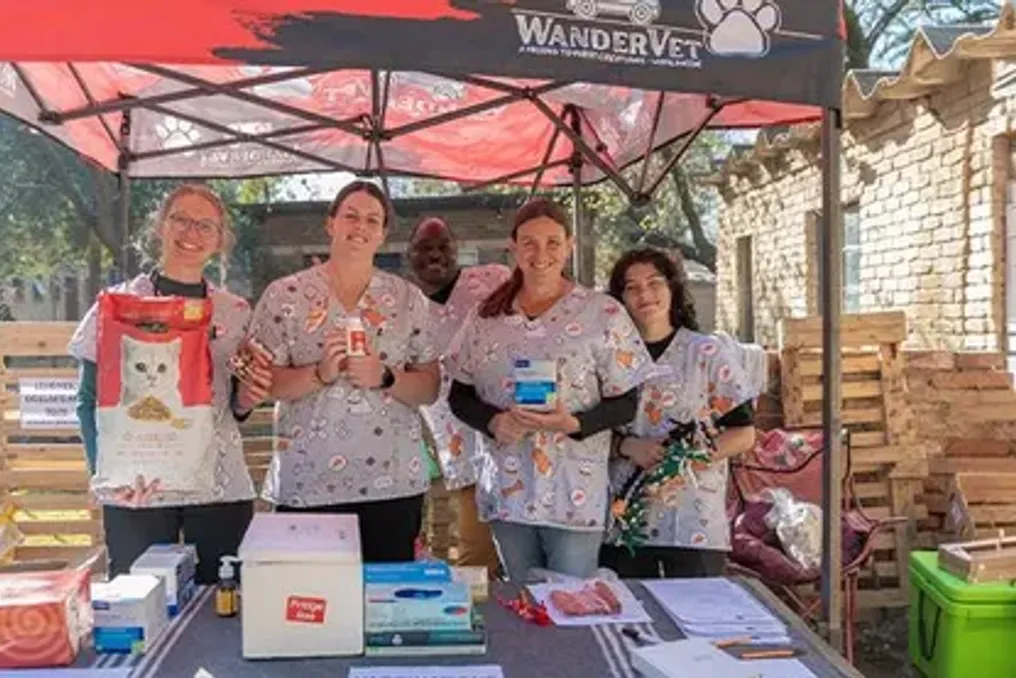
Volunteers and veterinary specialists joined forces on Mandela Day to provide essential assistance to local animals. Dr. Annari Greilin noted that the problem was not a lack of compassion, but limited access to care.
Volunteers and veterinary specialists joined forces on Mandela Day to provide essential assistance to local animals. Dr. Annari Greilin noted that the problem was not a lack of compassion, but limited access to care.
As a veterinarian and founder of WanderVet Animal Welfare Organisation, Greilin has worked extensively in areas where barriers to veterinary care are common. Her solution was to deliver services directly to the animals and their owners who might otherwise face difficulties seeking help.
In addition to sterilization, the animals received vaccinations and parasite treatment, while veterinary students and young professionals assisted more experienced colleagues as part of volunteer work.
Sterilization is particularly important in communities where unwanted offspring can quickly become a welfare issue for animals. For female dogs, sterilization helps prevent a range of diseases and types of cancer, and it reduces the number of unwanted puppies entering communities where resources and suitable homes may be limited.
However, Greilin views sterilization as part of a broader preventive approach. The outreach visit also provides an opportunity to speak with owners about their pets' health. Although these interventions may seem simple, together they can prevent future illness and suffering.
Therefore, the people behind the animals are just as important as the procedures themselves. Greilin recalls meeting owners who were deeply attached to their pets and grateful for the chance to receive treatment. This experience refuted the assumption that a lack of veterinary care necessarily indicates a lack of care.
The outreach event proved especially significant for the participating veterinary students and young veterinarians. Greilin hopes that such events remind them of the reasons they chose this profession. For veterinary professionals, the goal can sometimes be overshadowed by the pressures of daily practice. Outreach work creates a space to step outside the consultation room and see the broader role that veterinary medicine can play in society.
Yet, none of this happens in isolation. Dr. Annari Greilin and her team delivered veterinary care directly into the community, providing necessary treatment to 42 animals.
Greilin emphasizes that animal welfare requires the participation of various people and organizations, each contributing in its own way. Veterinarians provide clinical expertise, animal welfare organizations understand the communities they serve, volunteers donate their time, and partners provide resources such as equipment, medication, transport, and funding.
For Dotsure, supporting initiatives that improve animal welfare and help pet owners access necessary resources reflects a commitment that goes beyond pet insurance. Ultimately, responsible pet ownership begins with the ability to make responsible choices. By bringing veterinary services closer to communities, such initiatives can help make these choices more attainable, one pet and one family at a time.
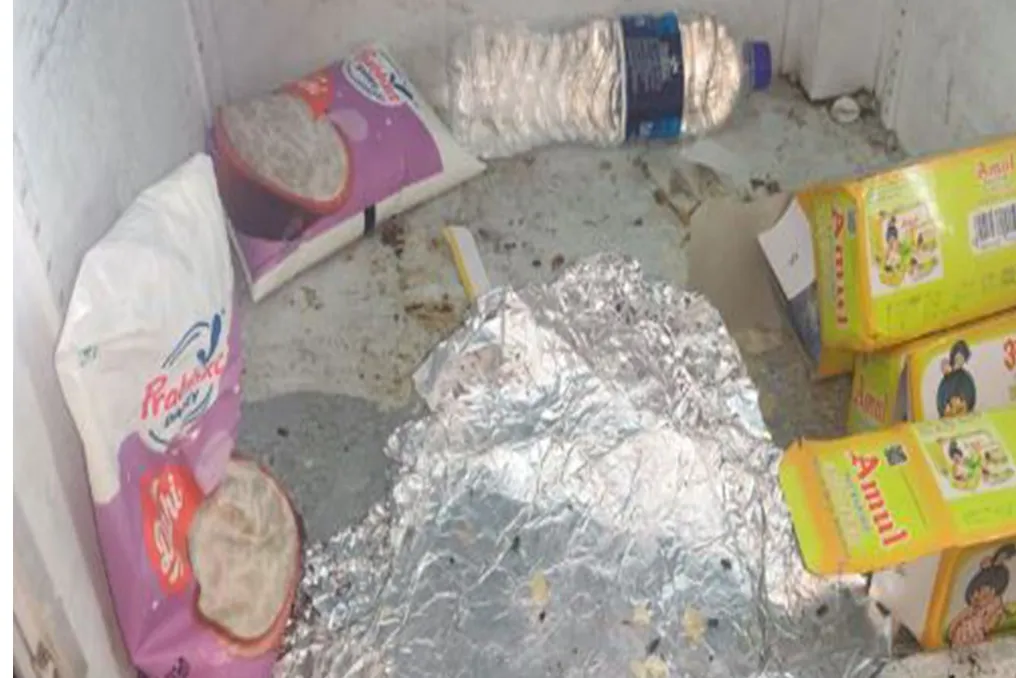
The Food and Drug Administration of Maharashtra (FDA) has suspended the licenses of fourteen food service establishments associated with quick commerce platforms Blinkit, Zepto, and Instamart. This decision was made following a comprehensive inspection that revealed numerous violations of food safety and hygiene regulations.
Inspections uncovered a wide range of violations, including cockroach infestation, presence of expired products, as well as issues with overall hygiene levels and goods storage methods. Furthermore, the regulator noted improper storage conditions, insufficient pest control, and shortcomings in employees' personal hygiene compliance.
The FDA also pointed out that the companies' response during the hearings was unsatisfactory.
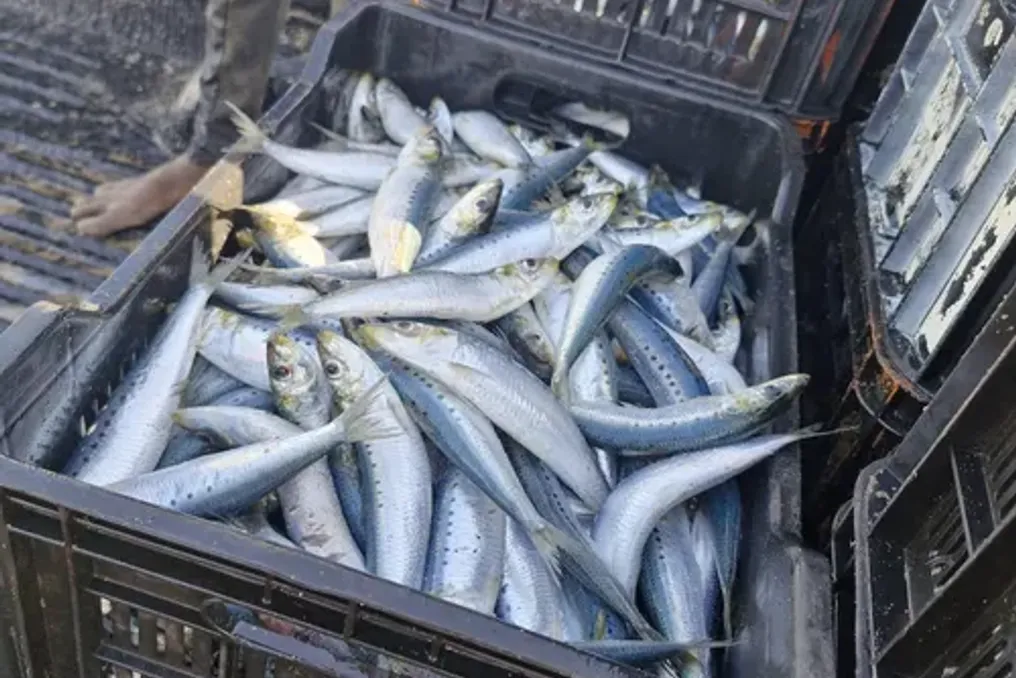
Laboratory sequencing confirmed the presence of pillchard herpesvirus (PHV) genetic material in sardines collected following recent mass die-off events along the West Coast of South Africa.
Potential triggers include harmful algae, low oxygen levels, and unusual oceanographic conditions. However, the department emphasized that this remains a hypothesis requiring further evidence.
Tests conducted on sardines collected near Saldanha Bay, Cape Gannet, and Gansbaai did not detect the paralytic toxin associated with harmful algal blooms in Saldanha Bay. Low levels of two other algal toxins—domoic acid and yessotoxin—were found. The highest concentrations of these toxins were recorded in a control sample taken from a seemingly healthy fish in St Helena Bay. No other tested toxins were detected.
The department concluded that the tested toxins were likely not the primary cause of the sardine deaths. Nevertheless, it cannot be entirely ruled out that harmful algae or other environmental conditions acted as additional stressors on the fish.
DFFE convened an urgent meeting with stakeholders from the small pelagic fishing industry. Furthermore, a task force comprising representatives from the department, the fishing industry, and other relevant parties will be established to develop a coordinated action plan regarding PHV-related sardine mortality in South African waters.
Epidemiological surveillance is currently being expanded along the West, South, and East coasts, while pathology and environmental studies continue. A planned hydroacoustic biomass survey in October and November will provide the first opportunity to assess the potential impact of this die-off event on sardine populations.
Previously, PHV had not been registered in South African sardines. This virus was linked to two large-scale sardine die-offs in Australasia in the 1990s, but later it was found in seemingly healthy Australian sardine populations without causing sustained mortality.
The virus is associated with sardines also known as pillchards. Currently, there is no evidence that PHV infects humans or other animals. The department clarified that the detection of PHV alone does not mean that commercially caught healthy sardines or canned sardines are unsafe, nor does it justify an immediate, blanket suspension of fishing or canning. Biotoxin results are considered encouraging, although they do not provide a complete clearance for all commercial catches. Therefore, monitoring and standard food safety controls must continue.
The public was advised not to collect or consume dead or dying fish, nor to feed them to pets. The department promised to provide further information as new results become available.
The World Health Organization (WHO) has denounced more than 10,000 attacks directed at health centers in various locations. These attacks caused approximately 5,700 deaths and left 8,500 people injured across 29 countries and territories, according to Altaf Musani, WHO's Director of Humanitarian and Disaster Management, during a press conference held in Geneva.
Tedros Adhanom Ghebreyesus, WHO Director-General, repeatedly reiterated that health facilities should never be targets of aggression. Musani emphasized that health centers and the entire healthcare system are protected by both international humanitarian law and human rights, being safeguarded by the Geneva Conventions.
However, he expressed regret upon noting that none of the more than 10,000 documented incidents have resulted in legal proceedings. Since the beginning of 2026, the WHO has recorded 914 attacks, resulting in 911 fatalities and 1,486 injuries, with the majority of these events registered in Ukraine, Lebanon, and the Palestinian territories.
Other attacks were recorded in Myanmar (formerly Burma), Iran, Sudan, the Democratic Republic of Congo (DRCongo), South Sudan, Russia, Syria, and Nigeria. Musani reported that attacks using heavy weapons are the most frequent this year, followed by acts of obstruction to healthcare and psychological violence.
Additionally, at least 44 cases involved the kidnapping, detention, or arrest of health professionals and patients, affecting a total of 148 individuals. Musani detailed that an attack on a hospital generates consequences that go beyond the people present, impacting subsequent patient treatment, ambulance evacuation capacity, professional return to work, and the arrival of medical supplies to other units.
The WHO official also pointed out that all 36 hospitals in the Gaza Strip suffered damage before the end of 2025. In Ukraine, the WHO has recorded over 3,000 attacks since the Russian invasion in 2022, including an incident against its own depot in Dnipro, which was destroyed the previous week. Regarding the DRCongo, Musani mentioned that there have been 12 attacks on health centers since the start of the Ebola outbreak in May.