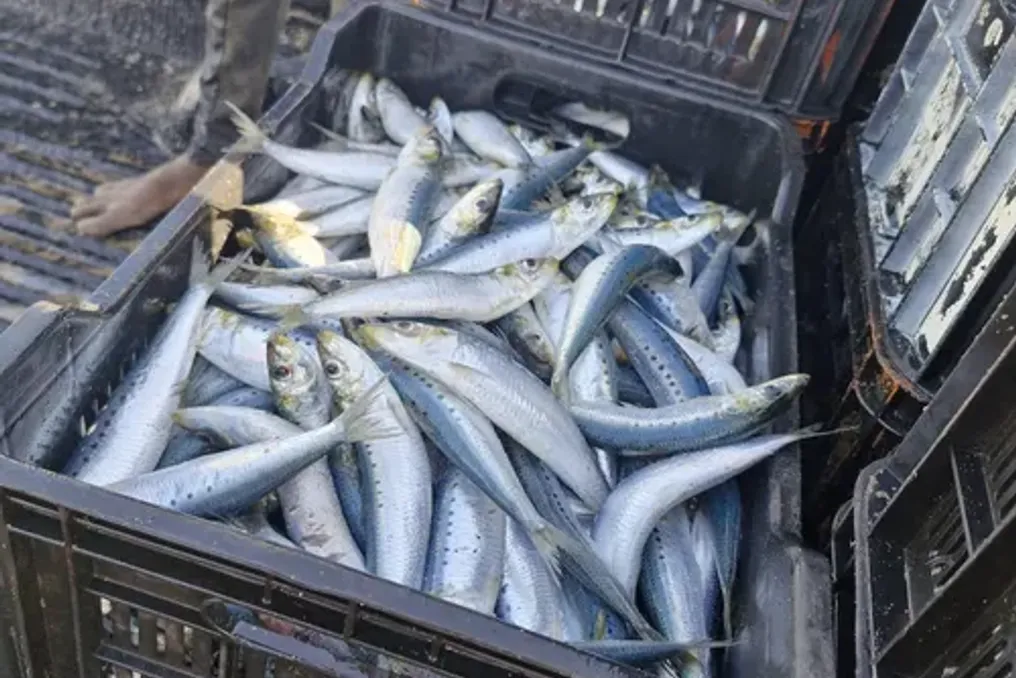
Laboratory sequencing confirmed the presence of pillchard herpesvirus (PHV) genetic material in sardines collected following recent mass die-off events along the West Coast of South Africa.
The Department of Forestry, Fisheries and the Environment (DFFE) reported that PHV was found in both dead sardines and some seemingly healthy fish, albeit in lower concentrations. This finding suggests that the mere presence of the virus may not be sufficient to cause mass mortality, leading scientists to investigate whether external stressors might have triggered or exacerbated the event.
Potential triggers include harmful algae, low oxygen levels, and unusual oceanographic conditions. However, the department emphasized that this remains a hypothesis requiring further evidence.
Tests conducted on sardines collected near Saldanha Bay, Cape Gannet, and Gansbaai did not detect the paralytic toxin associated with harmful algal blooms in Saldanha Bay. Low levels of two other algal toxins—domoic acid and yessotoxin—were found. The highest concentrations of these toxins were recorded in a control sample taken from a seemingly healthy fish in St Helena Bay. No other tested toxins were detected.
The department concluded that the tested toxins were likely not the primary cause of the sardine deaths. Nevertheless, it cannot be entirely ruled out that harmful algae or other environmental conditions acted as additional stressors on the fish.
DFFE convened an urgent meeting with stakeholders from the small pelagic fishing industry. Furthermore, a task force comprising representatives from the department, the fishing industry, and other relevant parties will be established to develop a coordinated action plan regarding PHV-related sardine mortality in South African waters.
Epidemiological surveillance is currently being expanded along the West, South, and East coasts, while pathology and environmental studies continue. A planned hydroacoustic biomass survey in October and November will provide the first opportunity to assess the potential impact of this die-off event on sardine populations.
Previously, PHV had not been registered in South African sardines. This virus was linked to two large-scale sardine die-offs in Australasia in the 1990s, but later it was found in seemingly healthy Australian sardine populations without causing sustained mortality.
The virus is associated with sardines also known as pillchards. Currently, there is no evidence that PHV infects humans or other animals. The department clarified that the detection of PHV alone does not mean that commercially caught healthy sardines or canned sardines are unsafe, nor does it justify an immediate, blanket suspension of fishing or canning. Biotoxin results are considered encouraging, although they do not provide a complete clearance for all commercial catches. Therefore, monitoring and standard food safety controls must continue.
The public was advised not to collect or consume dead or dying fish, nor to feed them to pets. The department promised to provide further information as new results become available.