The Deputy Minister of Agriculture and Head of the Iranian Fisheries Organization emphasized the need to align development goals with the biological characteristics of the Caspian Sea. He noted that the ecological potential of the Caspian Sea requires precise scientific assessment, and given the special status of sturgeon in northern provinces, university research in this area should be intensified.
Strategic Plan for Marine Activities in Northern Provinces
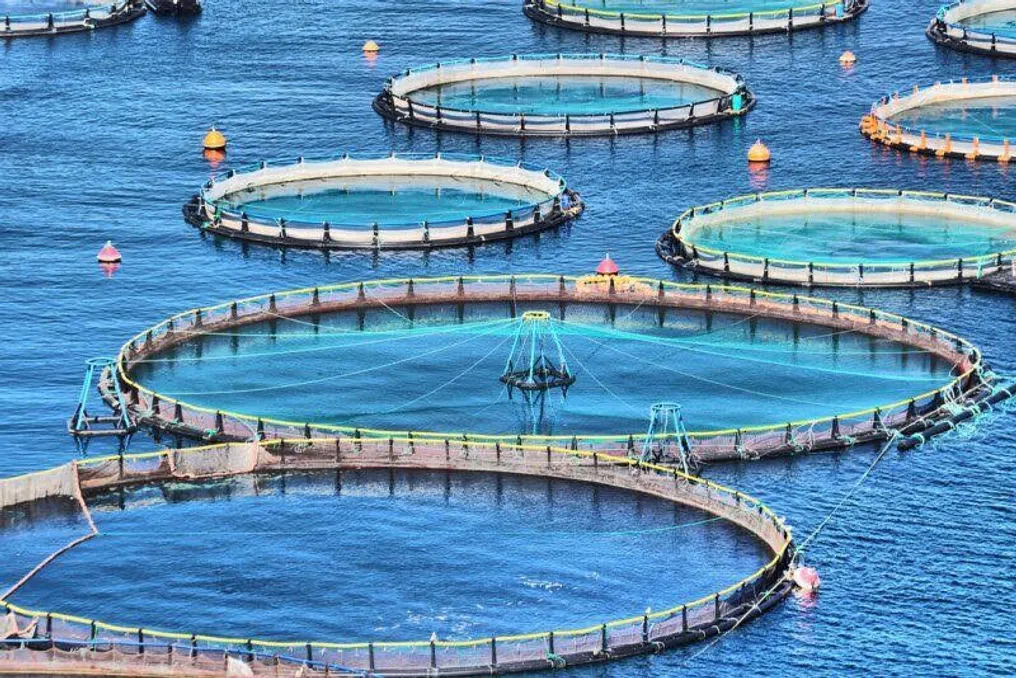
According to IRNA from the Ministry of Agriculture, Hamzeh Rostampour, speaking at a meeting reviewing the 'Strategic Plan for the Transformation of Marine Activities in Northern Provinces,' highlighted the necessity of specialized adjustments to macro-production programs. The goal of this meeting was to plan the production of 165,500 tons of salmon in marine cages. He added that all development projects must be implemented with due consideration of environmental impact assessment, precise scientific expertise, and full investment transparency.
The head of the Fisheries Organization defined the restoration of water resource stocks as one of the organization's responsibilities. He stated that they aim to develop a comprehensive and codified program that will allow projects to be implemented with full transparency after addressing shortcomings and conducting necessary diagnostics, while attracting qualified investors and utilizing current knowledge.
Goals and Directions for Aquaculture Development
Mehdi Shokouri, Deputy for Aquaculture Development at the Fisheries Organization, also mentioned the potential for producing 200,000 tons of fish in Caspian Sea cages. He stressed that achieving this goal requires analyzing past programs and creating an operational roadmap for various species. Shokouri added that cage development must take into account ecological requirements, export infrastructure, and the livelihoods of the fishing community.
Isa Golshahi, Deputy for Planning and Resource Management at the Fisheries Organization, stated that fisheries development is impossible without intersectoral coordination. He welcomed the creation of a 'Fisheries Science and Technology Park' provided that a careful site selection and technical surveys are conducted. Golshahi also emphasized industry sustainability strategies, such as integrated value chain management, consolidation of small enterprises, and increasing climate change resilience.
It was noted that during this meeting, after receiving expert opinions, it was decided to revise the Fisheries Transformation Plan considering all technical and specialized aspects. According to the session resolutions, the inclusion of shrimp farming in the plan, the precise resolution of fisheries sector issues, and the development of environmental impact assessment applications in the final document are mandatory. After addressing deficiencies and summarizing the opinions of various sectors, this plan will be presented at future meetings for final approval.