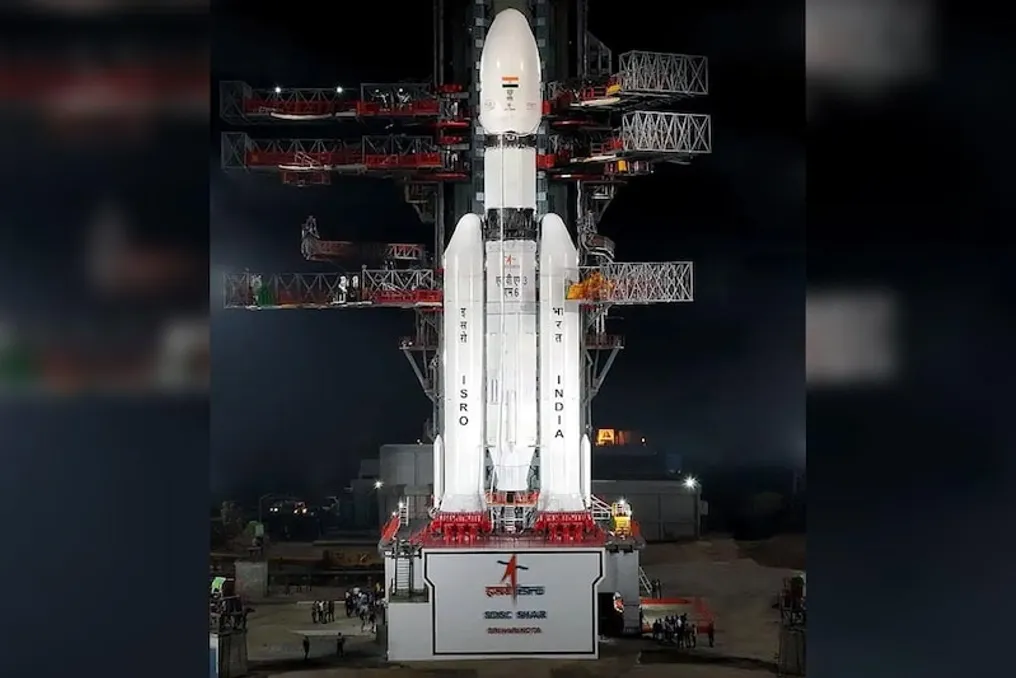
A part of the ISRO's LVM3-M5 rocket, specifically the upper stage C25, returned to Earth's atmosphere on July 30, 2026, after spending about nine months in space. This rocket was launched on November 2, 2025, from Sriharikota to deploy the communication satellite CMS-03.
After the satellite was delivered to the planned Geostationary Transfer Orbit (GTO), the operation of stage C25 was completed. ISRO then placed it into an orbit such that it would not remain in space for long and would return to the atmosphere within the set timeframe. According to ISRO data, the entry of stage C25 into the atmosphere occurred on July 30 around 17:38 IST, and it was expected to enter the atmosphere over the Atlantic Ocean.
Most of the rocket burned up due to intense heating during high-speed atmospheric entry. There was a possibility that only some sturdy parts would remain. ISRO initially predicted that this stage would remain in orbit for less than a year, and its actual orbital lifespan was less than nine months.
Following the launch of LVM3-M5 on November 2, 2025, the upper stage C25 remained in space after delivering the communication satellite CMS-03 to the designated orbit. ISRO performed passivation of this stage, which means reducing remaining energy and potential hazards so that it does not suddenly break apart into many fragments. After this, stage C25 was placed into an elongated, elliptical orbit with an inclination of 21 degrees. Its activity was constantly monitored to determine its position and return time to Earth.
The monitoring of stage C25 was conducted by both ISRO and the US Space Command. ISRO's IS4OM system also tracked its movement. A multi-object tracking radar located in Sriharikota monitored it during its final orbits. ISRO predetermined the atmospheric entry time and announced that it would enter the atmosphere over the Atlantic Ocean.
Parts of rockets sent into space do not always return to Earth immediately; depending on their orbit, they can remain in space for months, years, or decades. Such old rocket parts and other unused equipment are called space debris. The growth of space debris can pose a threat to satellites and other space missions. Therefore, the fate of remaining rocket parts after mission completion is now taken into account when planning rocket launches.
According to ISRO, the initial plan for the LVM3-M5 stage C25 was designed for it to leave orbit in less than a year. Its actual orbital lifespan was also less than nine months. This mission aligns with international recommendations regarding 25 years. The goal of these recommendations is to prevent objects left after mission completion in low Earth orbit from remaining there for too long. India's innovative initiative for space free of debris sets even stricter goals, insisting on limiting the lifespan of stages passing through low Earth orbit to five years. Thus, the LVM3-M5 mission pre-planned the return of rocket parts instead of leaving them in space for extended periods, which helped reduce the threat of growing space debris.