On the 75th anniversary of the Refugee Convention, adopted in 1951 at the UN conference in Geneva, Britain, as one of the participating countries, faces questions about its responsibility for creating one of the world's longest refugee crises.
This anniversary highlights an uncomfortable irony: the same convention ultimately excluded Palestinian refugees—a population whose displacement was largely driven by British policy—from its standard protection through a separate legal regime.
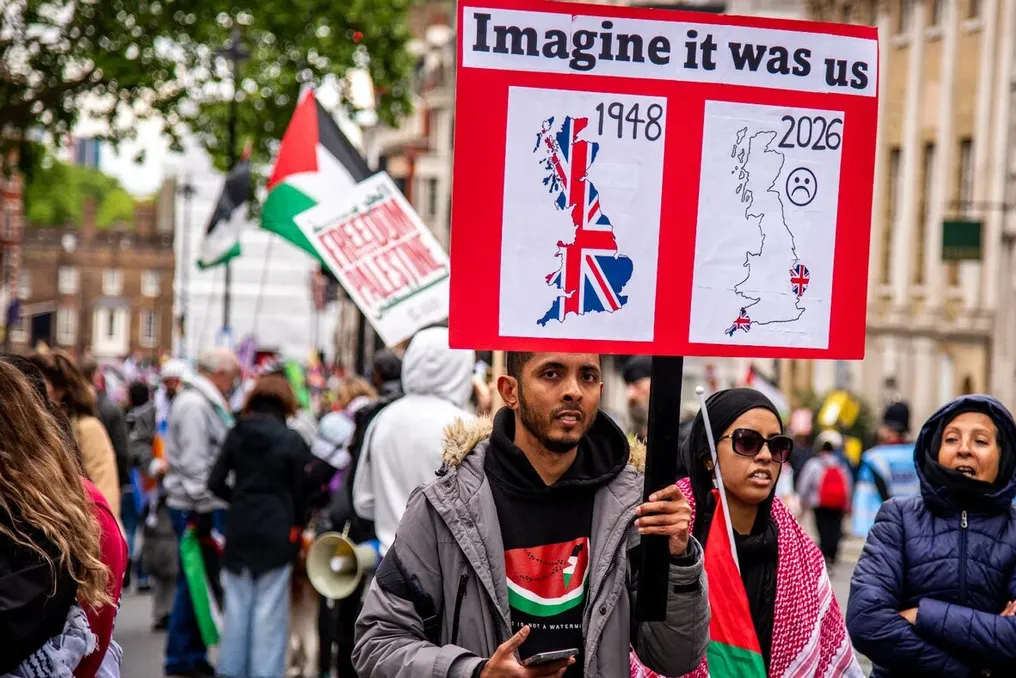
The article's author, who dedicated much of their career to studying how international law shaped Palestine, argues that legal obligations do not cease simply because they become inconvenient. This forms the basis of the 'Britain Owes Palestine' petition—a 400-page legal document co-authored by the writer.
This petition asserts that Britain acted illegally in Palestine between 1917 and 1948, and that the United Kingdom is now obligated to officially acknowledge and apologize for this history.
The Exception That Was Considered Temporary
Through the Balfour Declaration, Britain promised to support a national home for one people in a land inhabited by another, without the consent of the majority of local residents. For three decades, the country governed while bound by incompatible obligations, which entrenched division and suppressed Palestinian self-determination, sometimes using emergency powers that legitimized collective punishment while closing courts to victims.
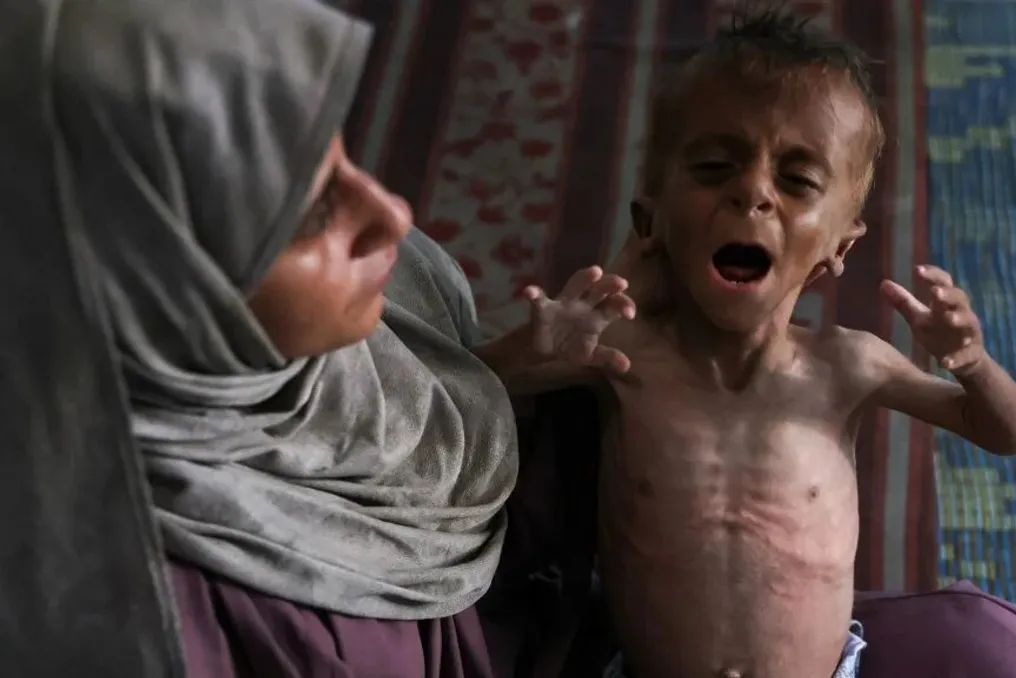
In 1948, Britain left the instability caused by its own policies, leaving the population unprotected. The Nakba—the 'catastrophe'—followed, resulting in over 750,000 Palestinians fleeing or being expelled from their homes. Today, the number of these refugees and their descendants runs into the millions.
The Refugee Convention established a universal framework for refugee protection, overseen by the UN High Commissioner for Refugees (UNHCR). However, Palestinians were excluded from this system. Since they were already receiving assistance from the UN Relief and Works Agency (UNRWA), Article 1D of the convention excluded them from its scope as long as that aid continued. This was viewed as a temporary measure awaiting a swift political settlement.
Refugees whose displacement is most closely linked to British policy are the least protected under a regime that Britain helped create. Seventy-five years later, this 'temporary' arrangement still defines the status of the Palestinian refugee.
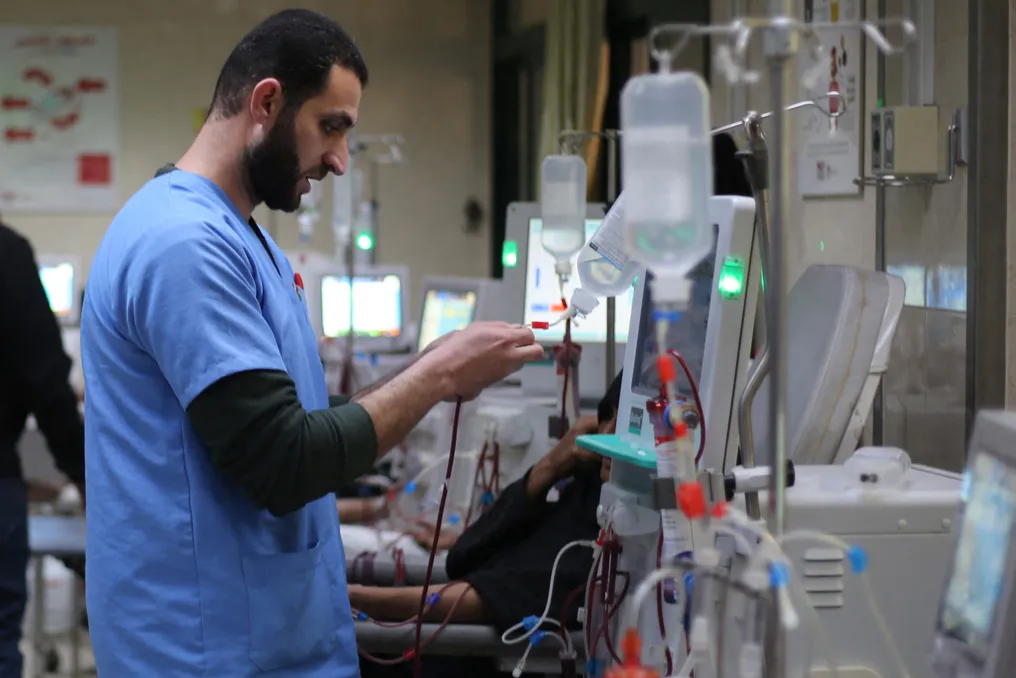
Although UNRWA provides vital services, it lacks the mandate to implement long-term solutions—voluntary return, local integration, or resettlement—which UNHCR offers to other groups of refugees. Since this agreement has never ended, generations of Palestinian refugees have remained without guarantees available to all others.
This unresolved legal anomaly is one reason why the petition presented to the government matters. It calls for the examination of classified archives, a full public response, an acknowledgment of wrongdoing, official apologies in Parliament, and serious consideration of reparations.
Months of Silence
A coalition of 45 MPs from all parties and Lords urged the Prime Minister to respond. Nearly ten months after the petition was submitted, and despite Andy Burnham replacing Keir Starmer as Prime Minister this month, the government has made no statements.
This silence carries both legal and moral costs. Britain frequently cites the Refugee Convention and international law to criticize other states and defend its own reputation. Nevertheless, the authority of the law depends on consistent application, including its application to itself.
Britain cannot credibly advocate for refugee protection while refusing to acknowledge its role in creating a population of refugees excluded from the regime it helped build. A state confident enough to honestly examine its history is a state whose word on international law carries weight.
Acknowledging mistakes can take various forms: an apology in Parliament and investment in teaching history, which remains insufficiently covered in British schools. There are precedents: Britain has previously acknowledged and settled claims regarding colonial abuses, notably in the 2013 settlement with Kenyan victims affected during the Mau Mau uprising.
The Refugee Convention was born from the conviction that displacement demands responsibility. The petition merely asks Britain to apply its own principles consistently. Seventy-five years after the adoption of the Refugee Convention, Britain must answer Palestine.