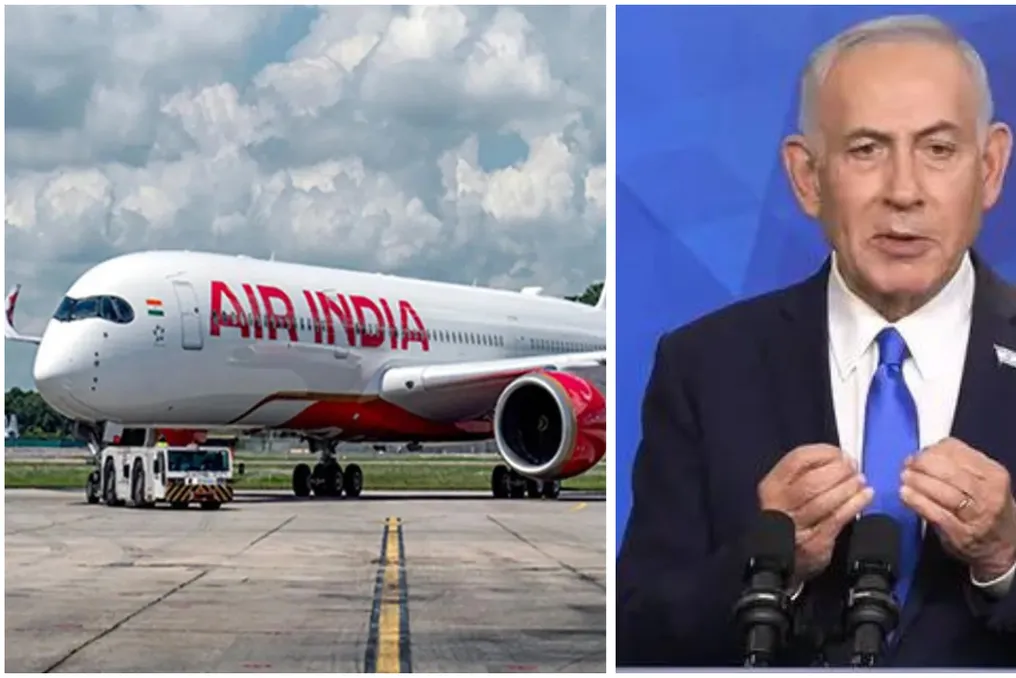
After the drug test of the flight captain from Phuket to Delhi showed a positive result for marijuana, the airline Air India decided to conduct checks on all its pilots. This check is being conducted beyond existing standards. Although DGCA rules already provide for checks of pilots and crew for drug and alcohol use, this incident served as a reason for broader control.
In connection with this, several questions have arisen: what is a pilot's supplementary test, what analyses are performed, how are samples collected, and what are the consequences in case of a positive result. First of all, it is necessary to understand that tests for alcohol and narcotics are conducted separately.
The process of testing a pilot for prohibited substances can be simplified into two stages. For this, the DGCA has developed special rules enshrined in CAR Section 5, Series F, Part 5. These rules describe the procedure for detecting the use of psychoactive substances among aviation personnel.
A urine sample is used when testing a pilot. This sample is placed in two separate containers. An express analysis of the first sample is conducted first. If it indicates the presence of any psychoactive substance, the result is considered non-negative. In such a case, the pilot is suspended from flights until a final conclusion is reached.
Next, the second sample is sent to an accredited laboratory for confirmatory analysis. Techniques such as GC/MS and LC-MS are used for this. If this test is also positive, a medical expert checks whether the result was caused by taking legal medication.
According to DGCA rules, at least ten percent of the crew must undergo random drug testing annually. This means that not every pilot takes a test before every flight. However, after this incident, Air India decided to go beyond these requirements and organize a large-scale check of all pilots, both for the company itself and Air India Express. This is a one-time large-scale screening.
A positive result from the initial screening does not mean immediate final confirmation. In such cases, confirmatory testing of the sample is conducted. If drugs are confirmed during this analysis, further measures are taken in accordance with the airline's and DGCA's rules. In the Air India situation, an initial check was first conducted, followed by a confirmatory test that revealed marijuana in the captain.
The pilot is directly related to the safety of the aircraft and passengers. Therefore, it is crucial that they are not under the influence of any narcotic or intoxicating substances while performing their duties. This is why the DGCA established rules for testing pilots and other aviation personnel for drugs and alcohol. The goal of these measures is to ensure that the pilot operates the aircraft in a completely safe and alert condition.