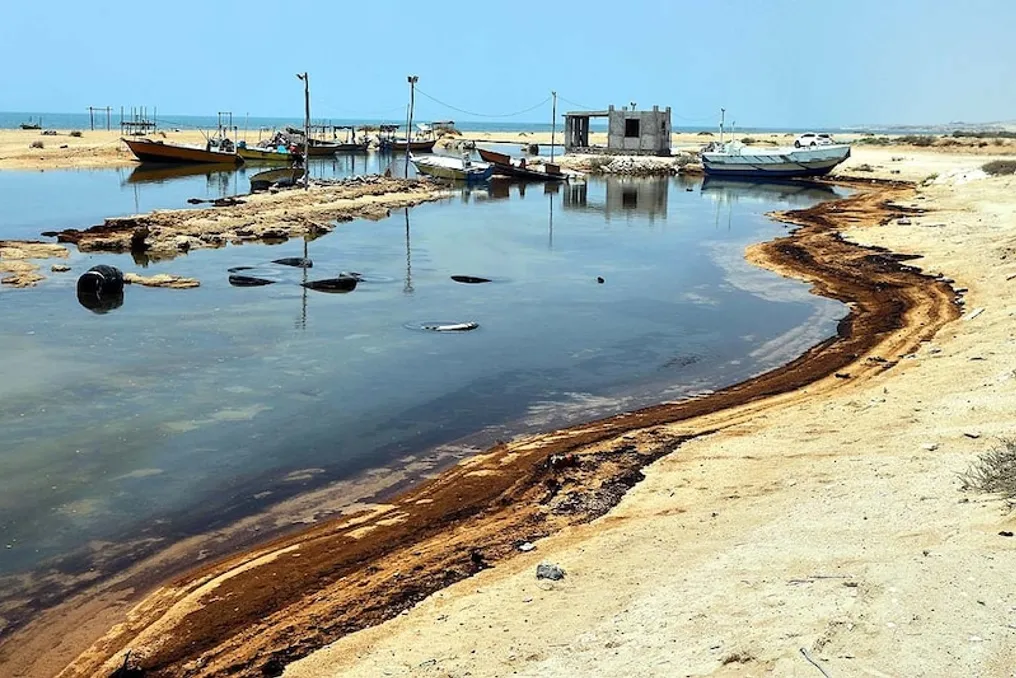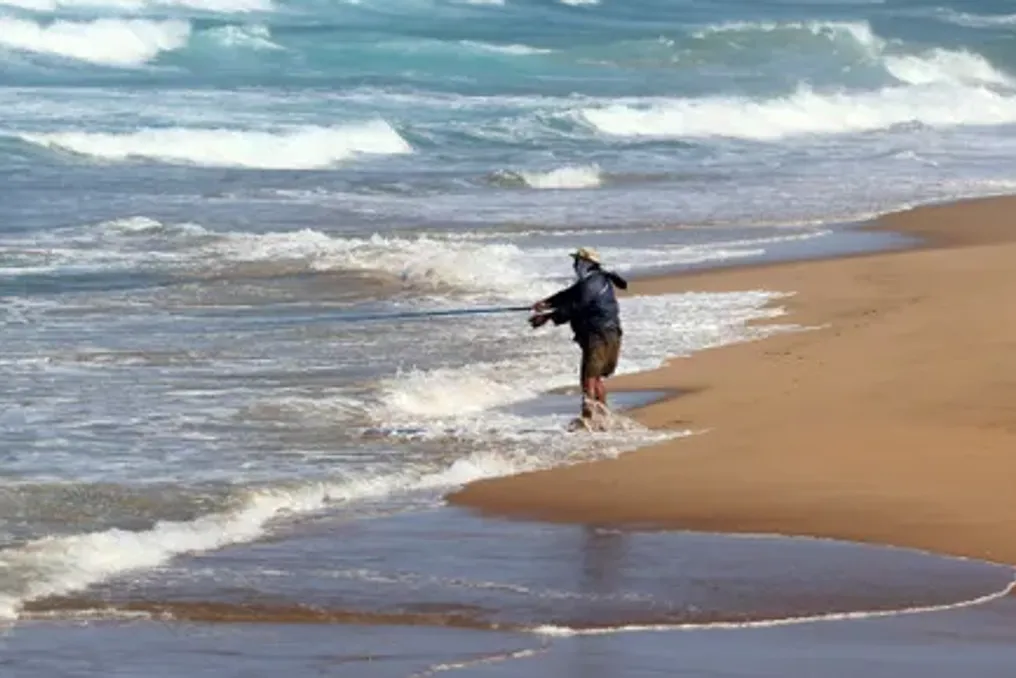
Although the mass fish die-off along the coast of the West Cape appears to have ended, questions remain regarding how to proceed when dead fish are discovered. It is important to note that this fish should not be taken home for cooking.
The Department of Forestry, Fisheries and the Environment (DFFE) has issued a strict warning to the public: 'As a precaution while testing continues, the public must not collect or consume dead fish found on beaches.'
Residents are advised, if possible, to report the incident. It is necessary to record the exact location, date, and approximate number of dead fish, and then pass this information to local authorities or environmental management agencies. Contact can be made with the Department of Forestry, Fisheries and the Environment (DFFE) or the local municipal/coastal management.
It is also crucial to leave the fish in place. This will allow trained scientific observers and environmental inspectors to collect uncontaminated samples for laboratory analysis.
DFFE added that although the mortality event has concluded, investigations are still underway. These specialized analyses require time, as samples must undergo several stages of preparation, testing, and verification before results can be reliably interpreted.
DFFE reported that 'West Coast canning factories continue to accept healthy sardines caught north of St Helena Bay, while some factories in affected areas have decided to wait for the Department's results before resuming operations. The cause has not yet been established. A large-scale investigation involving the Department, research institutes, specialized laboratories, the fishing industry, and other collaborating scientists is ongoing.'
The Department specified that samples of dead sardines were obtained from Saldanha Bay, Hout Bay, Betty's Bay, and the Cape Canyon area, while healthy sardines were collected from Eland's Bay and Lambert Bay for comparison.
The South African Institute for Aquatic Biodiversity (SAIAB) and Rhodes University are conducting disease testing, while SAIAB and a specialized commercial laboratory are checking samples for marine biotoxins. Department scientists are studying water samples, stomach contents, and gills for harmful algae.
As part of the investigation, basic biological examinations were also conducted, including measuring size, weight, condition, and maturity, as well as macroscopic examination of the gills.
DFFE noted: 'In Saldanha Bay, when the die-off began, there was a harmful algal bloom caused by Alexandrium catenella. This harmful alga has previously been associated with sardine die-offs in South Africa and remains one of the possible causes under investigation. However, it has not yet been found in water samples or sardine stomach contents, and preliminary analysis has not revealed an algal cause.'
According to oceanographic information provided by SAEON and CSIR, before the incident, increased upwelling, unusually cold coastal water, and low oxygen levels were observed in St Helena Bay. It is believed that the southern current along the coast may have transported affected fish from the West Coast to Cape Point and further east. Nevertheless, the Department emphasized that these observations provide useful context but do not establish the cause.
No wider consequences for the marine ecosystem have been reported at this time. Further updates will be provided after receiving the results of disease testing and initial biotoxin data.