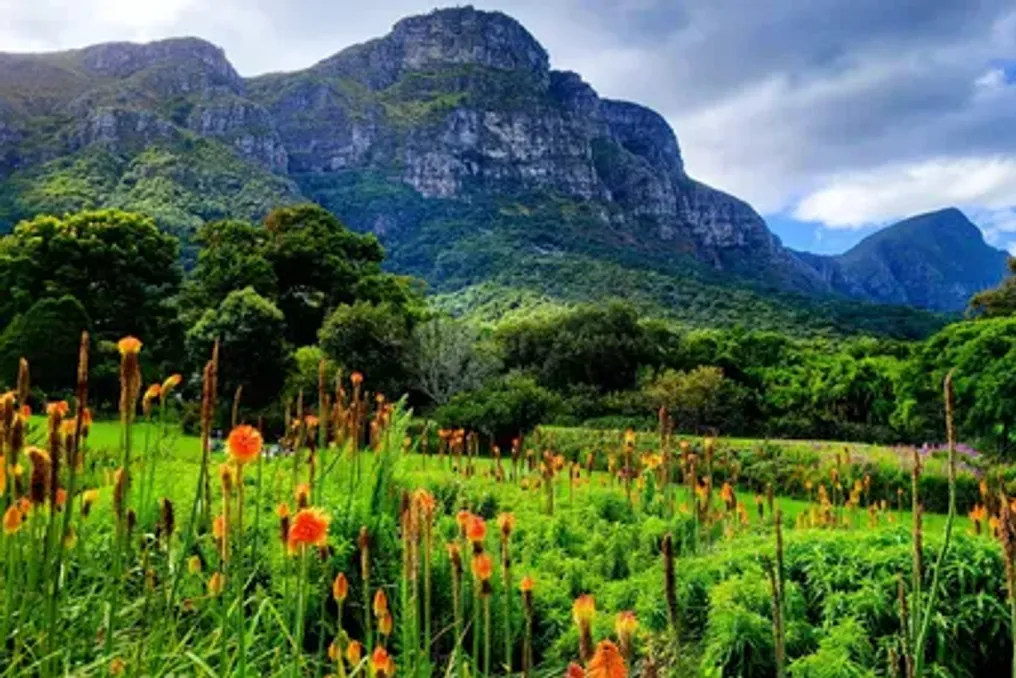
Concerns regarding the condition and long-term sustainability of the Kirstenbosch National Botanical Garden have resurfaced after Parliament learned about severe pressure on the infrastructure of South Africa's national botanical and zoological gardens. It is projected that by 2029/30, the infrastructure development gap will reach 839 million rand.
This latest information emerged just a few months after the South African National Biodiversity Institute (SANBI) rejected allegations that Kirstenbosch was in decline, insisting at the time that the world-renowned Cape Town attraction remains a leading institution in botany, nature conservation, and tourism.
This week, the Portfolio Committee on Forestry, Fisheries and the Environment received a briefing on the infrastructure issues at Kirstenbosch and across the entire network of SANBI-managed gardens. According to the committee, the gardens are struggling with outdated facilities, historical underfunding, and growing needs, which places a strain on the infrastructure required for conservation, research, education, and tourism.
At the heart of these concerns is a significant gap between available resources and what SANBI requires to maintain and modernize its facilities. Although the Department of Forestry, Fisheries and the Environment allocated 180 million rand in 2024/25, SANBI's projected infrastructure need for 2027/28 is 741 million rand. Without sufficient investment, this deficit is expected to grow further to 839 million rand by 2029/30.
The financial pressure affects vital infrastructure, including water supply systems, electricity, roads, security, and visitor amenities. Many gardens are over a century old, meaning their infrastructure increasingly requires restoration and upgrades to meet modern standards of safety, accessibility, and sustainability.
This revelation has once again drawn attention to Kirstenbosch following a May report by the Weekend Argus alleging neglect and decline in the plant collections at the iconic garden area. At that time, public concerns were raised regarding plant collections, staffing, procurement, and maintenance. SANBI firmly refuted the notion that Kirstenbosch was in a state of decay.