The native village of the revolutionary hero Takur Roshan Singh, who fell for the country's freedom, suffered from a lack of development for decades. This village, which gave such a valiant son to the country, was forced to experience isolation from the outside world during the monsoon season for three generations.
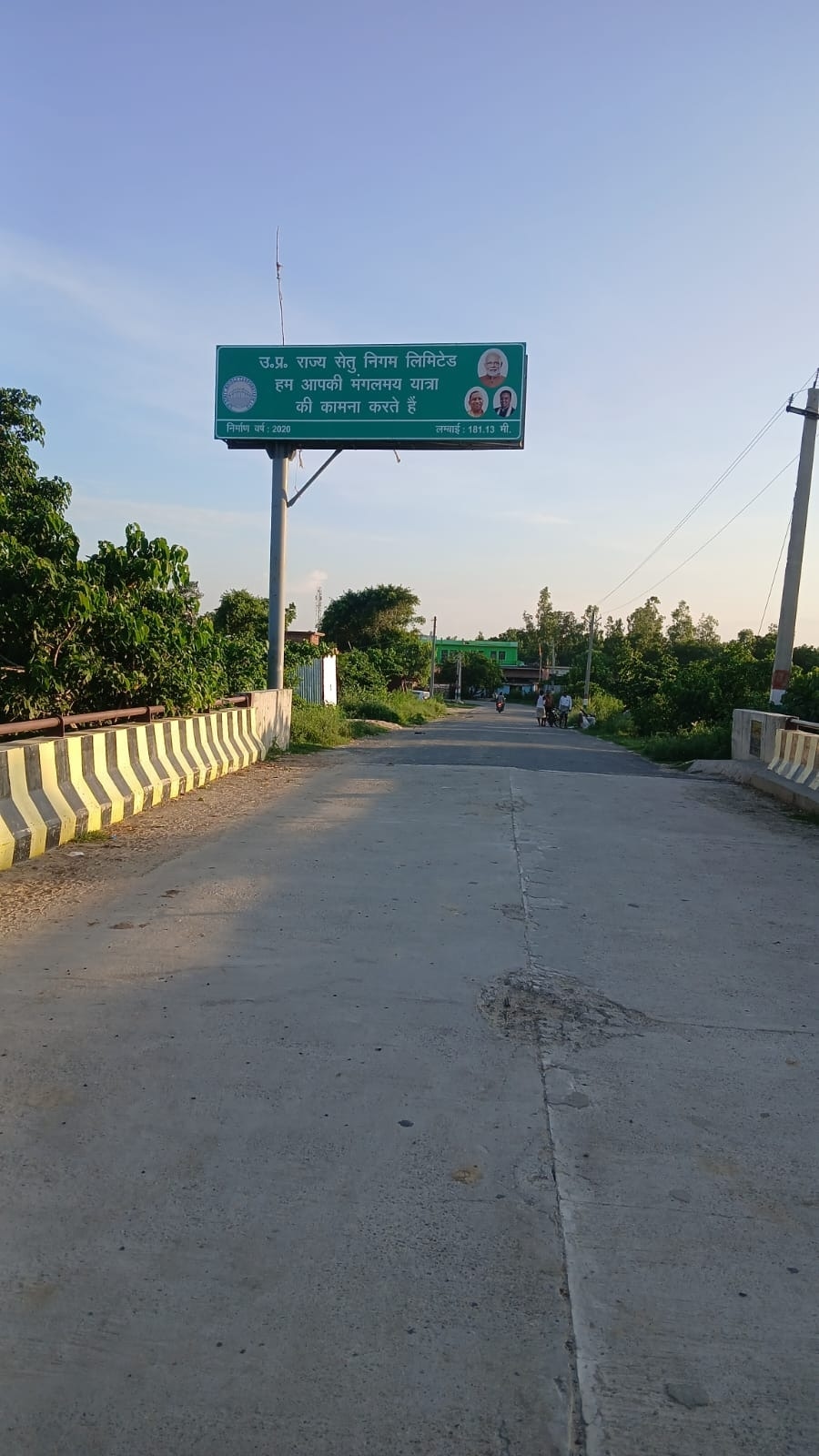
Despite changes in governments, this problem remained unresolved. Finally, Chief Minister Yogi Adityanath recognized this pain. After taking office in Uttar Pradesh, he initiated the construction of a major bridge across the Hannaut River instead of temporary rafts.
Takur Roshan Singh is known in the history of India's struggle for independence as one of the heroes who sacrificed their lives for the motherland. He was born on December 19, 1892, in the village of Nawada, Shahjahanpur district, in the home of Takur Janghi Singh and Kaushalya Devi. From childhood, he was distinguished by unwavering courage, mastery in combat, and accuracy in shooting.
In his youth, Takur Roshan Singh participated in Mahatma Gandhi's non-violent resistance movement. Later, he became an active revolutionary member of the Hindustan Republican Association (HRA).
In 1922, during demonstrations in Bareilly against Chauri Chaura Kanda, the British used batons. During this clash, Roshan Singh broke through the crowd and snatched a pistol from a British officer, after which he fired into the air, stopping the onslaught. For this incident, the British government sentenced him to two years of hard labor.
After being released from prison, his activities were entirely directed towards the revolutionary movement, and he became the object of close attention from the British authorities. His name is also associated with Kakori Kanda. In December 1924, the HRA conducted an operation in the village of Bamrauli, Bisalur district, Pilibit tehsil, to raise funds for the organization. One person died during the shootout. Although a murder case was filed against Roshan Singh, he did not fall into British hands. Later, after Kakori Kanda in 1925, the British government arrested Takur Roshan Singh and brought him to trial.
Although he did not take direct part in the Kakori train robbery, he was convicted along with Pandit Ram Prasad Bismiil, Ashfaq Ullah Khan, and Rajendra Nath Lahiri because he was connected to the organization. When the court passed its sentence on several charges, Roshan Singh boldly stated: 'Give me the same execution as Bismiil.' Ultimately, the judge sentenced him to death. On December 19, 1927, he met his end by hanging in Nai Ni jail in Prayagraj, uttering 'Vande Mataram' before the recitation of the Gitti hymns.
After the country gained independence, the native village of the revolutionary Takur Roshan Singh, Nawada, remained deprived of basic amenities for many years. Due to the lack of a bridge over the Hannaut River, the entire area was cut off from main roads for four to five months during heavy rains and floods. Patients could not reach hospitals, children's education was interrupted, and farmers could not transport their crops to markets in a timely manner. These difficulties afflicted three generations of villagers for decades.