The Indian Air Force is taking significant steps to strengthen its tactical air transport capabilities. The Ministry of Defence has announced a tender for the procurement of approximately 60 multi-role transport aircraft, with an estimated total value of around one hundred billion rupees.
The goal of this acquisition is to update the aging fleet of transport aircraft and enhance capabilities for the rapid delivery of troops, equipment, and supplies. Indian companies have been offered a key role in this project, which is expected to stimulate domestic production in the defense sector.
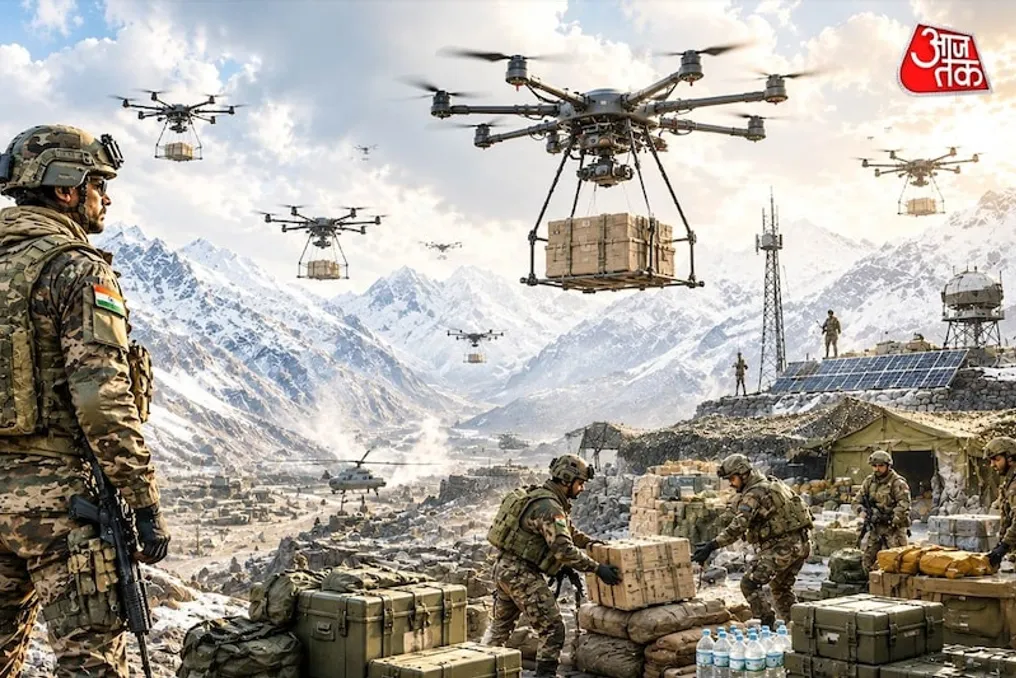
This move is necessitated by the limitations of the current Air Force transport fleet. Many existing aircraft are outdated, negatively affecting both maintenance costs and operational efficiency. In modern military conditions, it is critically important to rapidly deliver troops and heavy equipment to remote areas.
This need for expanded capabilities is particularly relevant in mountainous regions, island zones, and during emergencies. The new multi-role aircraft will be able to perform not only traditional cargo transport but also additional functions such as in-flight refueling, which will support fighter jet operations.
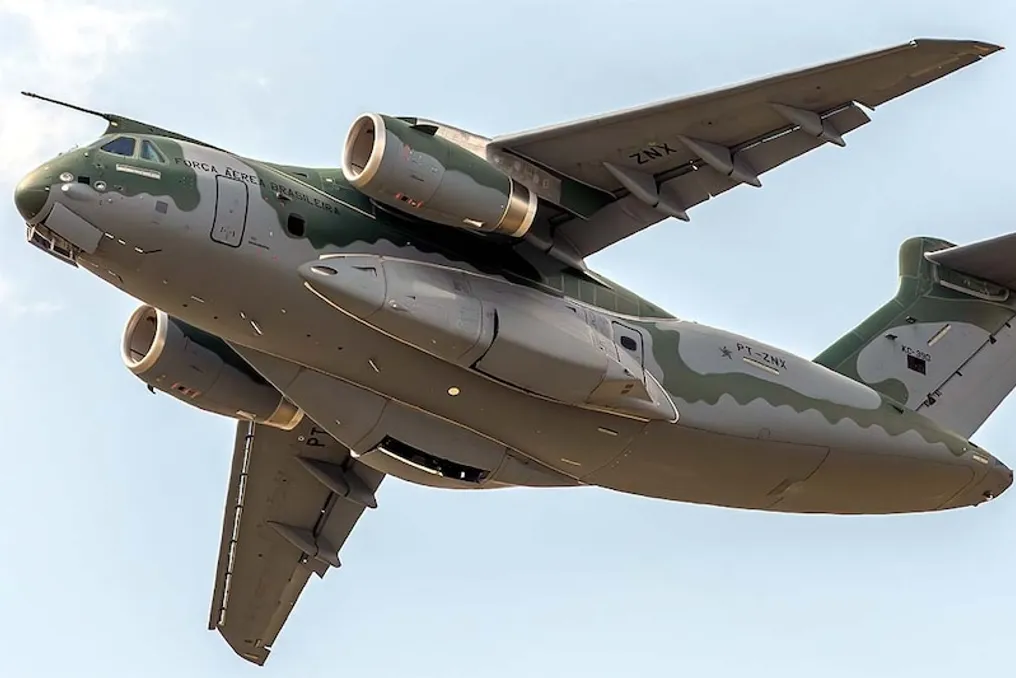
Emphasis within this program is placed on Indian companies. According to defense sources, tenders have been issued to several Indian firms, including Hindustan Aeronautics Limited (HAL), Tata, and Mahindra. Mahindra Defence is collaborating with the Brazilian aerospace company Embraer, offering the C-390 Millennium aircraft.
In turn, Tata, in collaboration with the American company Lockheed Martin, is presenting the C-130J Super Hercules aircraft. The Indian Air Force already operates 12 such aircraft, providing an advantage in familiarity with this platform.
The program places special attention on domestic manufacturing. It is anticipated that about 20 percent of the aircraft will arrive from abroad in flight-ready condition, while the rest will be manufactured in India through joint ventures. It is expected that over 60 percent of the materials will be of local origin.
This approach aligns with the 'Atmanirbhar Bharat' (Self-Reliant India) campaign and may help elevate the domestic aerospace industry. Partnerships between Indian companies and foreign equipment manufacturers will create opportunities for technology transfer, skill development, and strengthening the local supply chain.
The new plan is part of the Air Force's ongoing modernization efforts. The Air Force is already working on acquiring about 70 C-295 transport aircraft from Airbus, most of which will be manufactured in India. The new multi-role aircraft will expand this capacity and provide flexibility for various missions. In addition to standard airlifts, they can perform refueling functions, increasing the range and operational time of fighter jets.
Rapid delivery of troops and heavy equipment will improve deployment rates in border areas. Overall, the Air Force is working to build up its potential: besides the transport fleet, a tender for 114 fighter jets has been announced, and the purchase of over 100 training aircraft is also being considered to replace simulators and enhance pilot qualifications.
This acquisition could become an important test for the Indian defense industry. Giving leading roles to Indian companies is a clear signal from the government about the desire to develop its own production base rather than simply purchasing foreign equipment. The success of the project will depend on technology transfer through joint ventures, the development of local components, and the formation of a skilled workforce.
If this initiative is successfully implemented, India could become an important part of the global aerospace supply chain. However, there are challenges: high costs, integration of complex technology, timely production, and maintaining quality standards are the main issues. Caution must be exercised regarding intellectual property rights, technology transfer terms, and export controls when negotiating contracts with foreign partners.
Thus, this program offers an opportunity not only to modernize the Air Force's transport capabilities but also to strengthen domestic industry. Investments of around one hundred billion rupees will allow not only for an increase in military potential but also for accelerating job creation, research and development, and the manufacturing sector.