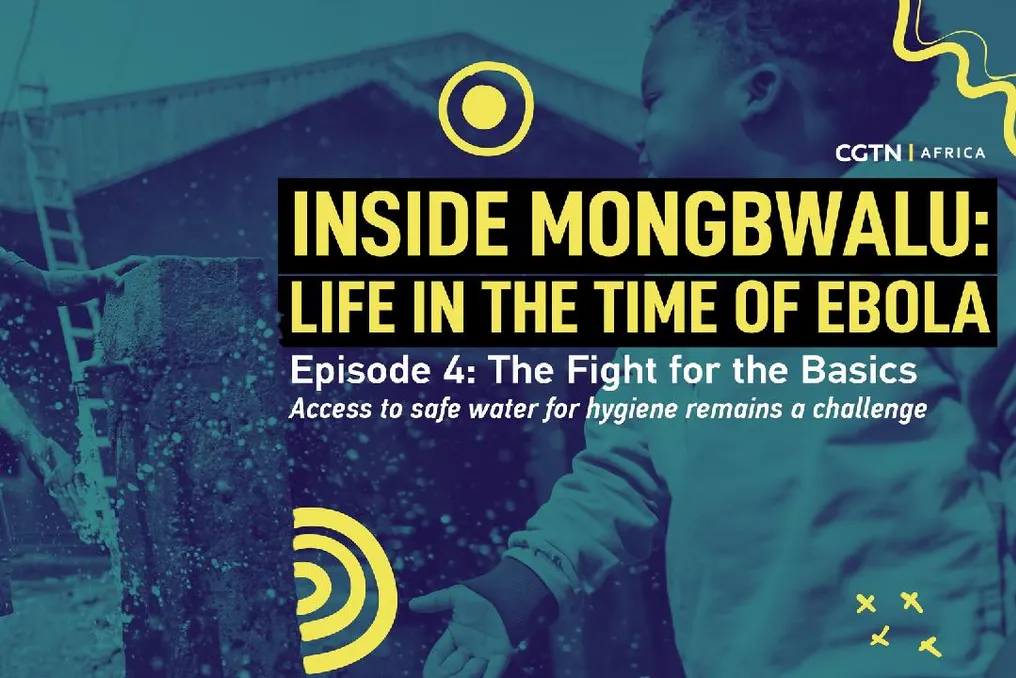
The lack of water complicates efforts to contain the Ebola virus outbreak in Mongbwalu, a gold mining town located in the Ituri province of the Democratic Republic of Congo. Many residents of this settlement do not have reliable access to clean drinking water and basic sanitation facilities.
Every morning, residents have to travel several kilometers to collect water from a nearby natural source. For families who cannot afford water from public taps, the spring is often the only accessible source. Furthermore, groundwater in some parts of the city is contaminated by runoff related to mining activities.
A resident of Mongbwalu, Françoise Ididi, shared her problem: 'Three jugs cost 1000 Congolese francs ($0.44). If you have ten jugs at home and only 1000 francs left, plus you need to feed your children, what should you do?' She added that it is this financial pressure that forces people to walk miles every day for free water from the spring.
According to the organization Oxfam, only one in five residents of Mongbwalu, whose population is estimated at 140,000, has stable access to safe water. Families are forced to ration available water for drinking, cooking, and cleaning, leaving fewer reserves for regular handwashing—a key measure in preventing the spread of Ebola.
The shortage is also observed at the central market of Mongbwalu, where hundreds of people gather daily. Vendor Neema Mave noted the absence of handwashing stations and disinfectants, stating: 'We spend the whole day without washing our hands unless we do it at home. Authorities must take action.'
Some non-governmental organizations have installed reservoirs to alleviate the water shortage, and groundwater sources help part of the community. However, because gold mining contributes to water contamination, residents continue to face limited access to safe water while health authorities work to contain the Ebola outbreak.