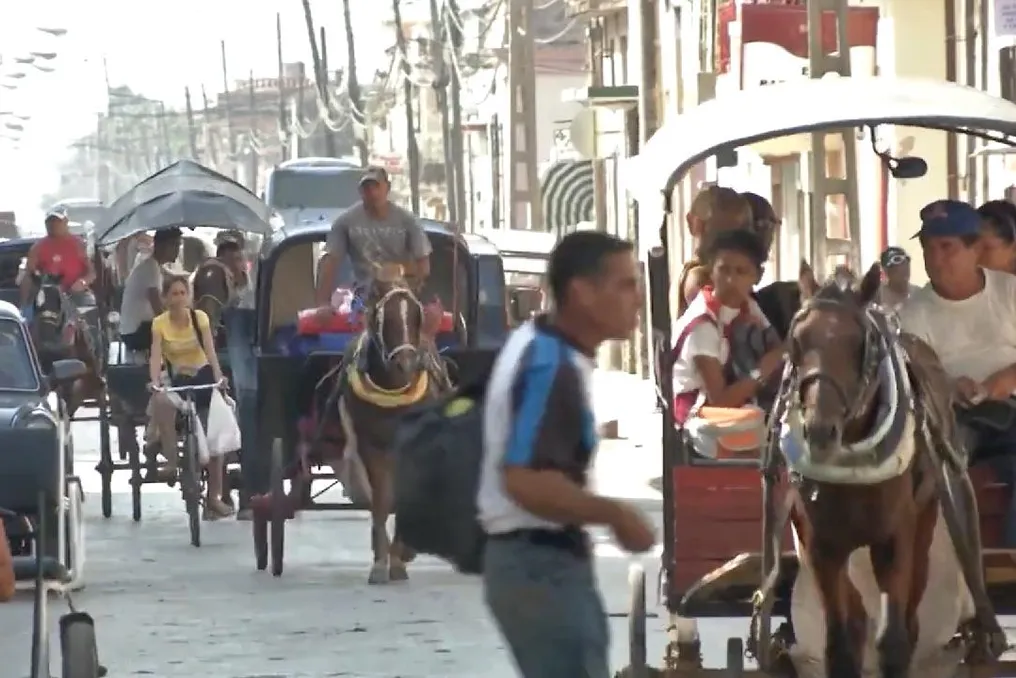
A total failure of Cuba's energy system has left millions of residents without electricity, exacerbating existing issues with fuel shortages, outdated infrastructure, as well as due to US embargoes and sanctions.
Large-scale power outages are not a rare occurrence in this struggling country; frequent electricity interruptions have become the norm against the backdrop of aging infrastructure and a deficit of state fuel reserves. Just the day before, the western part of the country was completely plunged into darkness.
State media reported a 'complete shutdown' of the national electrical system, causing citizens to suffer from the intense heat of the Caribbean Sea while being in the dark and without fans.
The lack of the most basic amenities, such as fuel and electricity, makes normal and dignified life impossible in Cuba, as the energy crisis continues for months without visible solutions.
Growing tension in Cuban society has manifested in public acts of defiance: residents in the hardest-hit areas are setting mountains of trash on fire or smashing dishes.
The Ministry of Energy stated that it is beginning to implement special protocols to restore the network amid strict oil sanctions and blockades by the US. In March, only one Russian tanker carrying 100,000 tons of crude oil was permitted passage, while reserves have long been depleted.
In addition to oil restrictions, the Trump administration imposed a new wave of sanctions on Cuban state enterprises, forcing many foreign companies to suspend trade with this increasingly isolated island nation.