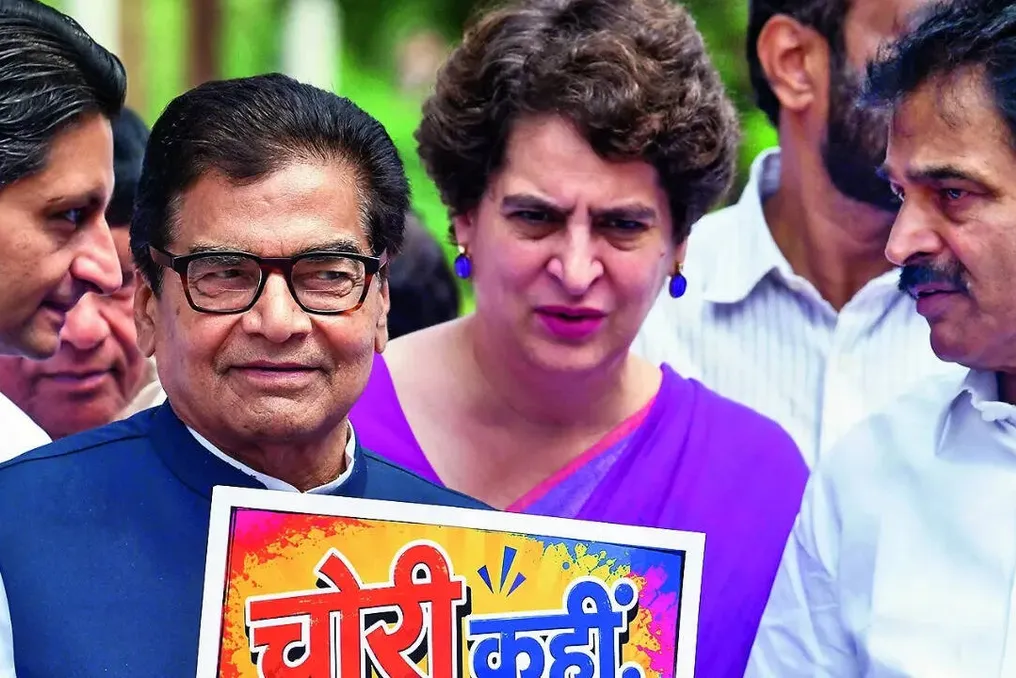
The parliamentary session in New Delhi effectively collapsed due to constant opposition protests during the proceedings. This tension was reflected in the decision by the Congress and its allies to forgo the customary joint tea break in the Speaker's office, Lok Sabha.
Prime Minister Narendra Modi and Home Minister Amit Shah, whom the opposition criticized for their absence from parliamentary sessions, were present in the Lok Sabha. Speaker Birla bypassed his usual practice of summarizing the House's work and closed the session immediately after the business portion began.
The Bharatiya Janata Party (BJP) directly blamed Rahul Gandhi, the opposition leader in the Lok Sabha, for the sharp drop in the House's productivity to 19% (the figure was 39% in the Rajya Sabha). The BJP stated that the workflow was sacrificed to 'his arrogance, indiscipline, and sense of right.'
For its part, the Congress accused the government of refusing to consider opposition demands, including the need to discuss the misappropriation of donations at the Ram temple and Modi's statements on this matter.
Nevertheless, the government managed to advance its legislative agenda by passing 12 bills. Only one of them, the Amendment Bill to the Public Examinations Act (preventing malpractice), received the opposition's consent for discussion because it allowed raising the issue of student protests over the NEET-UG exam leak.
The Amendment Bill to the Foreign Contributions Act was sent to a joint parliamentary committee for study due to protests from the opposition and religious organizations. Furthermore, the widely discussed government move to restore the constitutional amendment to increase the size of the Lok Sabha by 50% and introduce one-third quotas for women starting in 2029 did not materialize.
Parliamentary Affairs Minister Kiren Rijiju stated that the Congress constantly changed its demands despite the government agreeing to their requests. He noted: 'This is not good for democracy.' Rijiju attempted to invite Rahul for tea, but the opposition leader declined.
Despite many in the NDA believing that some opposition deputies were dissatisfied with their leadership's hardline stance, the BJP focused its attacks on Rahul. BJP representative Ravi Shankar Prasad stated that Rahul might think such 'irresponsible' behavior would help him, but the Congress, in his view, would face more electoral defeats as people do not value such arrogance. He emphasized: 'Parliament is not a theatre. It will not function under your sense of right and exceptionalism. This 'either my way or the highway' attitude will not work.'
The Congress asserted that the government had become more scared than ever before, while Rajya Sabha MP Jairam Ramesh noted that the unity and solidarity of the opposition were fully demonstrated. RS Chairman C.P. Radhakrishnan expressed concern over 'constant disorder and frequent disruptions,' stating that the loss of working hours deprived the House of the opportunity for substantive discussions on matters of national importance.