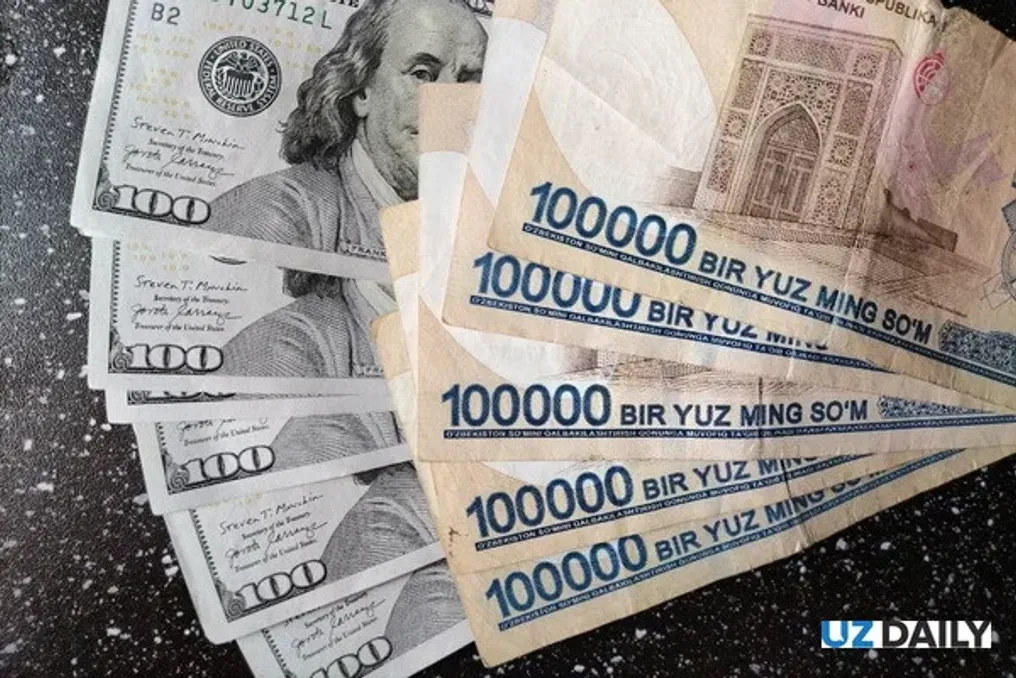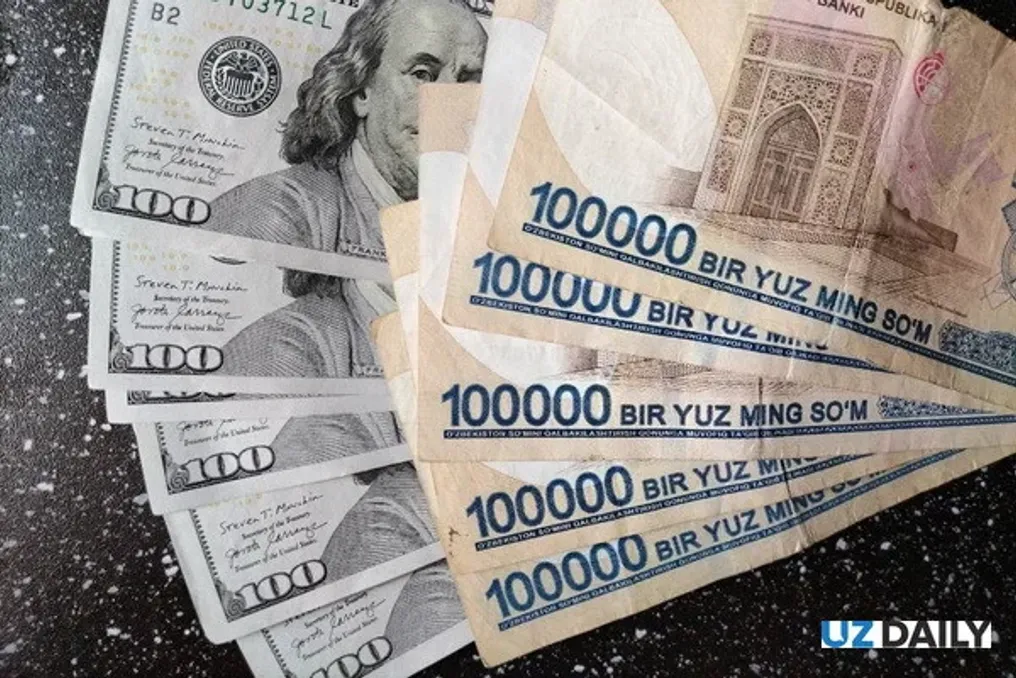
The Uzbek sum maintains a relatively stable exchange rate against the US dollar, although the national currency showed slight weakening over the past week.
The Uzbek sum maintains a relatively stable exchange rate against the US dollar, although the national currency showed slight weakening over the past week.
Anna Bodrova explains the support for the sum through the Central Bank's policy set at 14%, the attractiveness of savings in the national currency, and capital inflow amid economic growth.
An additional factor is the situation in the gold market. In the second quarter of 2026, Uzbekistan entered the top three largest buyers of gold among global central banks, increasing its gold reserves by 16 tons. Poland (51 tons) and China (33 tons) made larger net purchases during this period, while Kazakhstan acquired 15 tons.
Overall, central banks worldwide purchased 289 tons of gold in the second quarter, which is 62% more than the previous year, marking a record volume for the second quarter, according to data provided by the analyst.
Nevertheless, the sum faces pressure from foreign trade. According to Bodrova, gold exports remain significantly below last year's level, reducing foreign currency inflows.
The analyst also pointed to the risk associated with the high proportion of gold in reserves: a decline in global precious metal prices could reduce their value. Currently, supporting and pressuring factors on the national currency are balanced, which rules out sharp fluctuations of the USD/UZS pair outside the established range.
Residents of Uzbekistan have been warned about possible strengthening of winds and the occurrence of dust storms during the day of August 14.
According to forecasts, an increase in wind speed up to 13–18 meters per second is expected in various regions of Uzbekistan. In some places, these gusts may be accompanied by the formation of dust storms.
The deterioration of the meteorological situation is predicted in several regions, including Karakalpakstan, Bukhara, Navoi, Kashkadarya, Samarkand, and Tashkent regions, according to Uzhydromet.
In the capital, Tashkent, wind speeds may reach 11–13 meters per second in some places, and there is also a probability of dust storms occurring in certain districts.
The population is advised to be prepared for reduced visibility and to take into account current weather conditions when organizing any movements. It is also recommended to stay away from lightweight structures and other objects that may be affected by strong wind impact.
According to analyst Alpari, the Uzbekistani Sum strengthened to 11,881 per US dollar as of August 6, 2026, showing a growth of 1.04% compared to the previous review. In July, the currency, conversely, weakened by 0.69% against the dollar, but since the beginning of the year, its exchange rate has remained virtually unchanged.
Analyst Anna Bodrova noted that one of the key factors influencing the currency market was the absence of gold exports in June 2026. As a result, gold exports for the first half of the year amounted to 1.5 billion US dollars, corresponding to the January-May level. Compared to the same period last year, gold exports decreased by almost 77%, and their share in the total export volume fell from 37% to less than 10%.
According to the analyst's opinion, the decrease in gold exports increased pressure on the inflow of foreign currency into the country, despite a 7.4% year-on-year growth in foreign trade. Under these conditions, the sum became more dependent on other sources of foreign currency receipts and more sensitive to changes in the external environment.
Bodrova also indicated that the national currency was supported by maintaining tight monetary and credit conditions. The Central Bank's base rate remains at 14%, which promotes the attractiveness of assets denominated in the national currency and stimulates domestic savings. Simultaneously, ongoing economic growth supports domestic demand, partially offsetting the decline in export revenues.
Nevertheless, the analyst highlighted persistent risks for the sum. These include dependence on portfolio investments and external financing amid declining foreign currency inflows, the probability of increased imported inflation due to rising energy and logistics costs, and the possibility of tightening global financial conditions.
Anna Bodrova predicts that the exchange rate of the US dollar to the Uzbekistani Sum during the next week of August will fluctuate in the range of 11,800 to 12,050 sums per dollar.