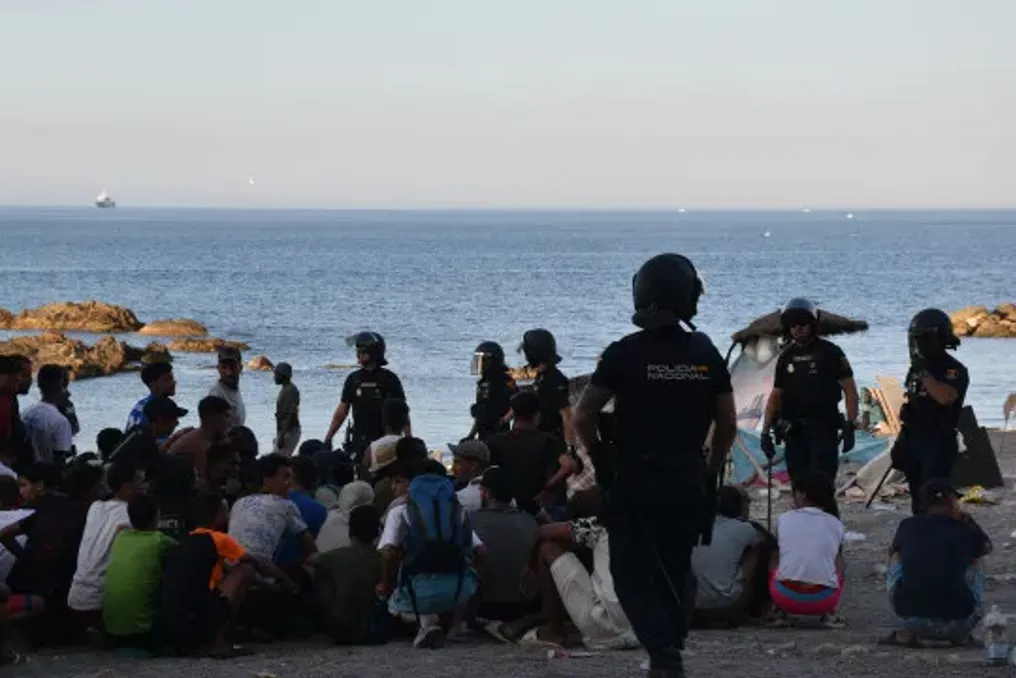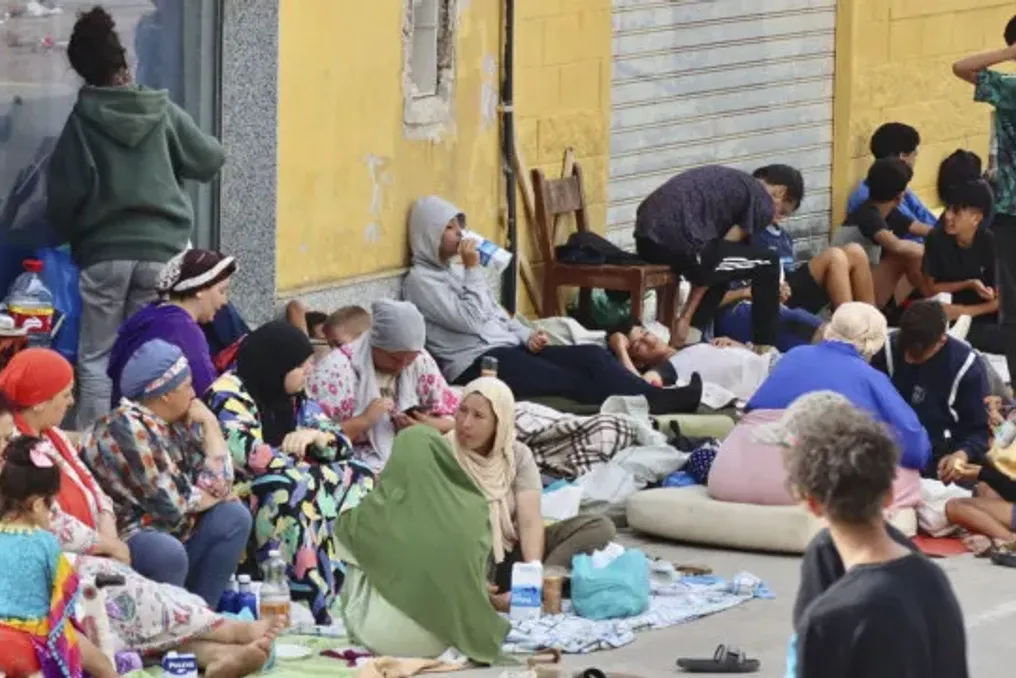
Fernando Grande-Marlaska informed journalists at the Government Delegation in Ceuta that there are 5,000 remaining migrants in the city, of whom 1,898 minors have been identified during a process that is nearly complete.
More than half a thousand applications for international asylum were processed among adults, most of which received a negative decision regarding the granting of international protection.
Marlaska also announced a new police reinforcement in Ceuta, supplementing the measures taken by Spanish security forces in the autonomous city in North Africa since the end of July.
He specified that there are currently 880 police officers working in the city, which is 270 more than before the crisis, as well as 714 civilian guards, almost 200 more.
The Spanish National Police will receive additional reinforcement from the Prevention and Response Unit, consisting of 45 new agents, as well as 20 staff members from the Central Brigade Unit for Foreigners and Borders to support the Office of Asylum and Refugee Affairs.
The Spanish government also plans to accelerate the identification and necessary procedures for the return of migrants who illegally entered Morocco after determining their administrative status, explained Marlaska. He emphasized that the initial priority was the identification of minors.
The minister assured that individuals in irregular situations will return 'as soon as possible,' reiterating that those who entered illegally cannot remain in Ceuta.
Furthermore, they will not be transferred to the peninsula or enter the Schengen free movement area, except in exceptional cases of extreme vulnerability provided for by Spanish and international law.
Marlaska noted that those hiding to avoid identification will eventually be found, and once their irregular status is confirmed, the deportation process will begin.
In cases of criminal activity, the procedure will be accelerated, and the Ministry of the Interior has requested the necessary authorizations from the judicial authorities to carry out deportations.
On July 30 and 31, about 72,000 people entered Ceuta in 24 hours, with the majority (70,000) subsequently returning to Morocco, according to data from Spanish authorities. At least 82 people died while trying to reach Ceuta by swimming.
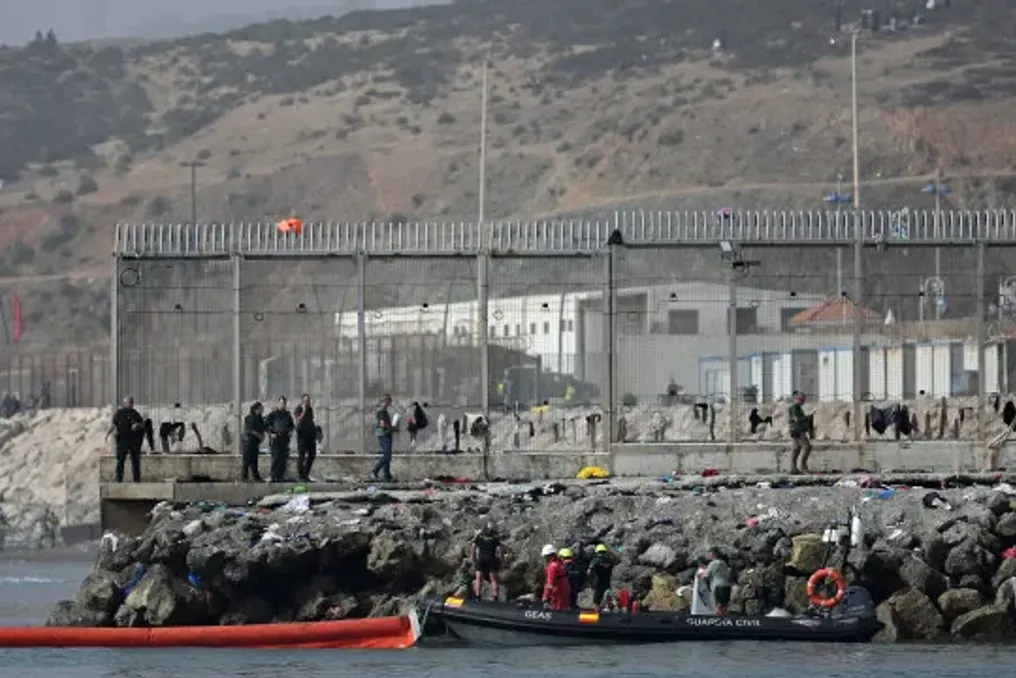
Following this crisis, police control has been strengthened in both Morocco and Spain, where floating barriers have recently been installed in the sea off Ceuta and Melilla.
Despite this strong police presence, calls for another mass entry attempt into Ceuta and Melilla continue to multiply on Moroccan social media on August 15.
The autonomous cities of Ceuta and Melilla are two Spanish enclaves located off the coast of Morocco and represent the only land borders of the EU with Africa.