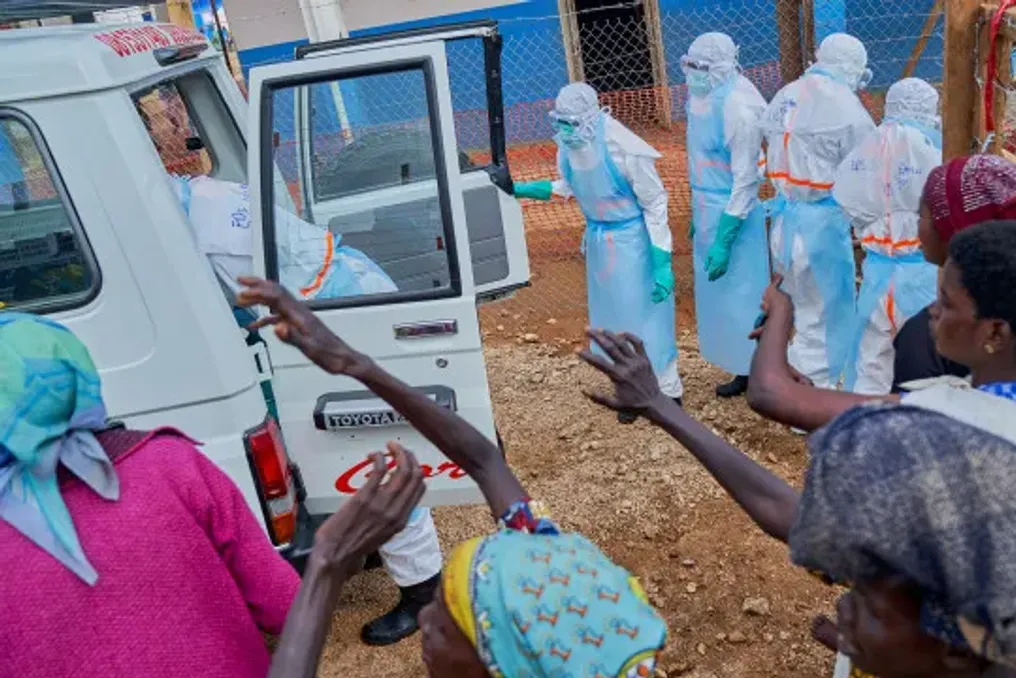
The Ebola virus epidemic in the Democratic Republic of Congo (DRCongo) has expanded to a sixth province, Bas-Uele, following the registration of a death, according to the director-general of CDC Africa. Jean Kaseya, head of the African Centres for Disease Control and Prevention, reported that the infected individual had traveled from Isiro in Haut-Uele province to Buta, the capital of Bas-Uele, where he died.
The situation in eastern DRCongo, which currently shows the fastest growth rate, is close to surpassing the deadliest outbreak in history, which occurred more than ten years ago and resulted in over 11,000 deaths, the World Health Organization (WHO) informed on Wednesday.
Since the epidemic was officially declared in DRCongo in May, the Ebola virus has already caused 2,128 deaths amid more than 4,566 confirmed cases, according to the latest data released by the Congolese Government.
This number of fatalities was reached almost three times faster than during the 2014-2016 Ebola outbreak in West Africa, considered the worst in history. The spread of the disease occurs in an extremely challenging context, marked by strikes by unpaid health professionals, threats from rebel groups, discontent among already traumatized communities, and the circulation of disinformation denying the existence of Ebola.
To date, six of the twenty-six provinces of Congo have been affected. Simultaneously, health professionals at the Nizi Treatment Center, located in Ituri province—one of the most impacted regions—began a strike on the day in question, leading to the temporary closure of the center after alleging they had not received salaries for three months.
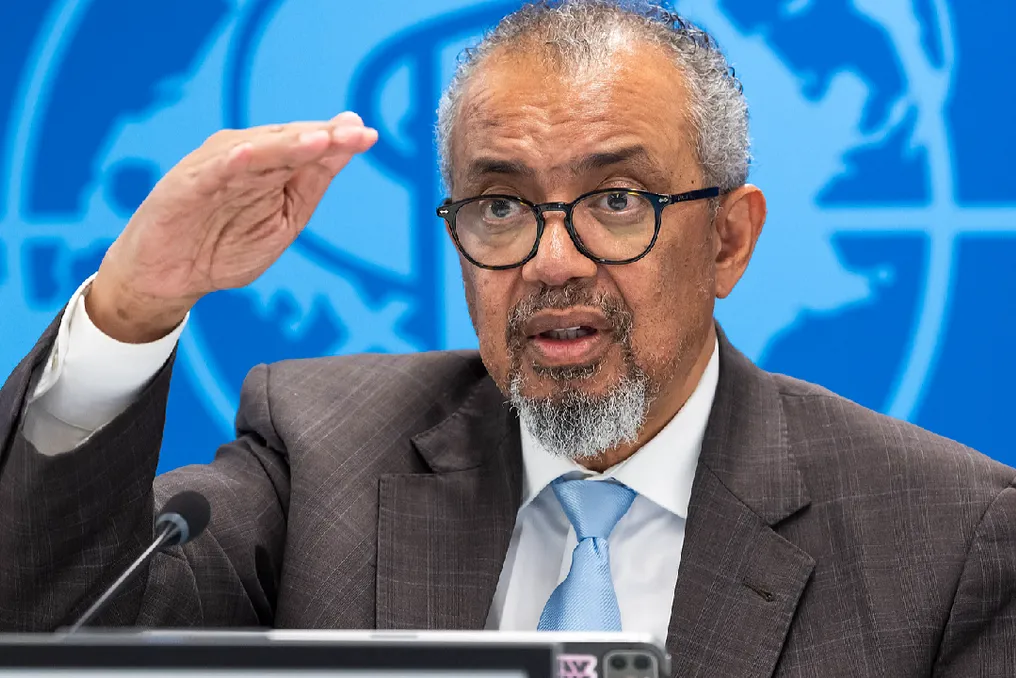
Mohamed Yakub Janabi, WHO's regional director for Africa, commented this week: 'We are chasing the virus; [but] the virus is ahead of us.' According to recent information provided by the WHO on Monday, the virus began circulating in eastern DRCongo in February, although research published in the journal 'Science' at the end of July suggested that the first infections might have occurred as early as January.
After the declaration of the epidemic in Ituri, the virus spread to neighboring Uganda, a country that announced it was 'Ebola-free' on July 28, after registering 20 confirmed cases, including 15 cases brought from DRCongo, two of which resulted in deaths.
The epidemic is linked to the Bundibugyo strain, whose mortality rate varies between 30% and 50%, and for which the WHO points to the absence of an authorized vaccine or specific treatment. The Ebola virus is transmitted through direct contact with body fluids of infected humans or animals, causing severe hemorrhagic fever, vomiting, diarrhea, and internal bleeding.