A delegation from the Ministry of Transport of Uzbekistan visited Kazakhstan on August 10-11 to study cross-border transport and logistics infrastructure, as well as to discuss expanding cargo transportation between the two states.
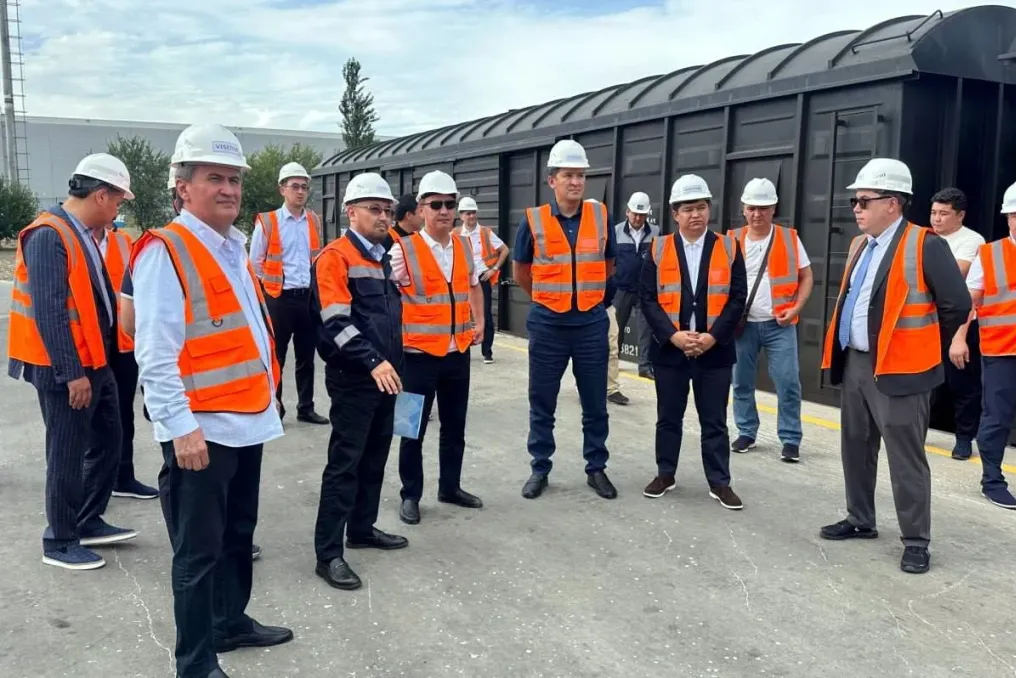
A delegation from the Ministry of Transport of Uzbekistan visited Kazakhstan on August 10-11 to study cross-border transport and logistics infrastructure, as well as to discuss expanding cargo transportation between the two states.
During the visit, the parties reached an agreement to establish a joint venture at the Kedentransservice JSC terminal at the Altynkol station. The Uzbek delegation familiarized itself with the organization of railway and multimodal cargo transportation and studied Kazakhstan's experience in developing transport and logistics infrastructure.
In particular, representatives of the Ministry of Transport visited the Altynkol railway station on the border of Kazakhstan and China, the Kedentransservice JSC terminal, the KTZE-Khorgos Gateway dry port, the Khorgos-Eastern Gate Special Economic Zone, and the Khorgos International Centre for Boundary Cooperation.
Discussions focused on ensuring the uninterrupted movement of goods along the China-Kazakhstan-Central Asia route. The parties also considered issues of increasing container traffic, developing multimodal transport corridors, and diversifying logistics routes.
A separate outcome of the trip was the agreement with the Kazakh side to create a joint venture at the Kedentransservice JSC terminal at the Altynkol station. Participants also discussed prospects for further strengthening transport and logistics cooperation between Uzbekistan and Kazakhstan.
Representatives of exporting companies from the Tashkent, Samarkand, Fergana, Namangan, and Andijan regions of Uzbekistan conducted business missions in Shanghai and Urumqi. The purpose of these visits was to discuss opportunities for increasing the supply of Uzbek products to Chinese partners.
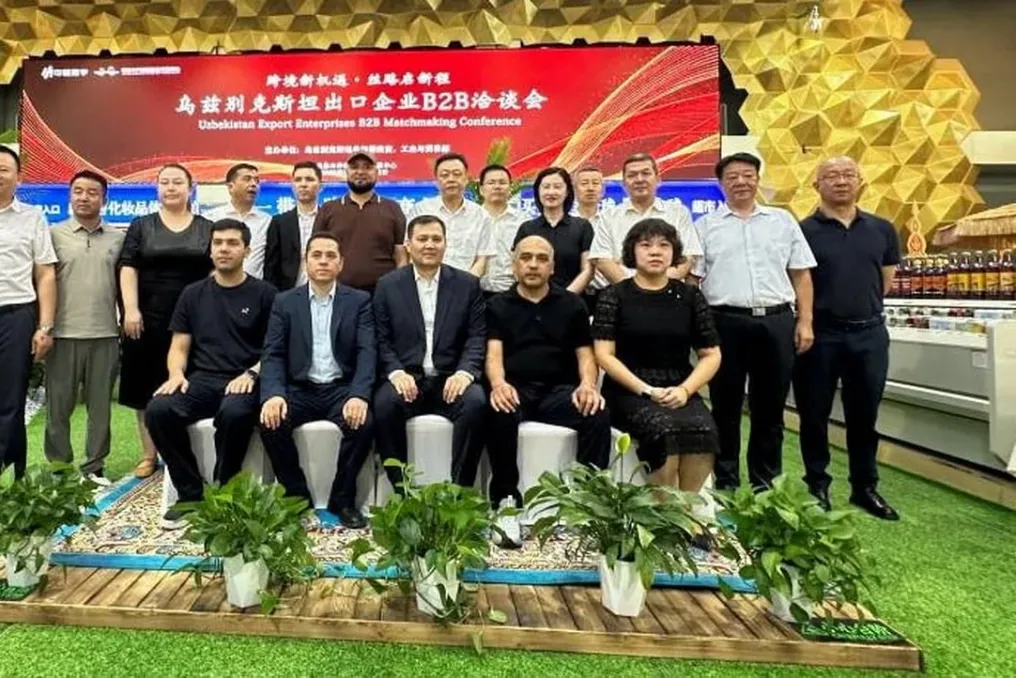
These events were organized by the Embassy of Uzbekistan in cooperation with the Ministry of Investment, Trade, and Industry. In Shanghai, Uzbek companies held negotiations with major importers, retail chains, and representatives of e-commerce platforms.
Participants showcased their products, presented production capabilities, product assortment, and export potential. During 'business-to-business' meetings, conditions for bringing Uzbek goods to the Chinese market were discussed, including issues of pricing, logistics, labeling, and certification, with special attention paid to potential sales channels.
Product catalogs, commercial proposals, and product samples were presented to Chinese partners. In Urumqi, negotiations took place at an exhibition and trade fair center in the customs zone. Here, Uzbek firms demonstrated their range, competitive advantages, and provided information on production capacities and opportunities to increase exports to China.
The organizers noted that the goal of these business missions was to establish direct business contacts between companies of the two countries and expand supply channels for Uzbek goods to various regions of China.
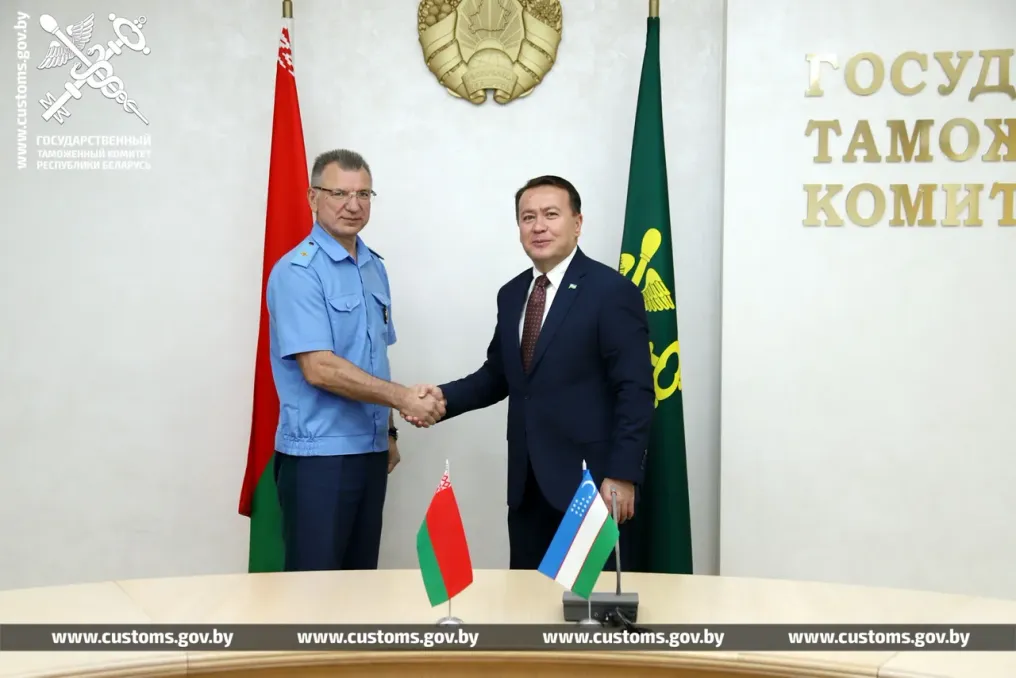
Belarus and Uzbekistan intend to deepen interaction in the field of customs affairs, paying special attention to measures aimed at simplifying bilateral trade and increasing trade turnover. Discussions on these issues took place during a meeting between the Chairman of the State Customs Committee of Belarus, Vladimir Orlovsky, and the Ambassador of Uzbekistan to Belarus, Nuriddin Mamajonov. The State Customs Committee of Belarus reported on this meeting.
The main subject of the negotiations was facilitating the growth of trade flows between the two states. The Committee noted that Belarus and Uzbekistan plan to double mutual trade in the coming years, which aligns with the goal set by the presidents of both countries during recent meetings in Minsk.
The parties also considered issues regarding the implementation of the 2024 agreement signed by the governments of Belarus and Uzbekistan concerning the mutual use of electronic systems for certifying the origin of goods. According to the committee, this digital mechanism will help simplify trade procedures and further increase trade turnover.
Furthermore, it was noted that a document on the mutual recognition of the status of an authorized economic operator has been signed. This document provides for a number of simplifications that will be available to participants in foreign economic activities in both countries.
After the meeting, representatives of the State Customs Committee of Belarus and the Embassy of Uzbekistan identified potential areas for practical cooperation aimed at further developing bilateral trade.
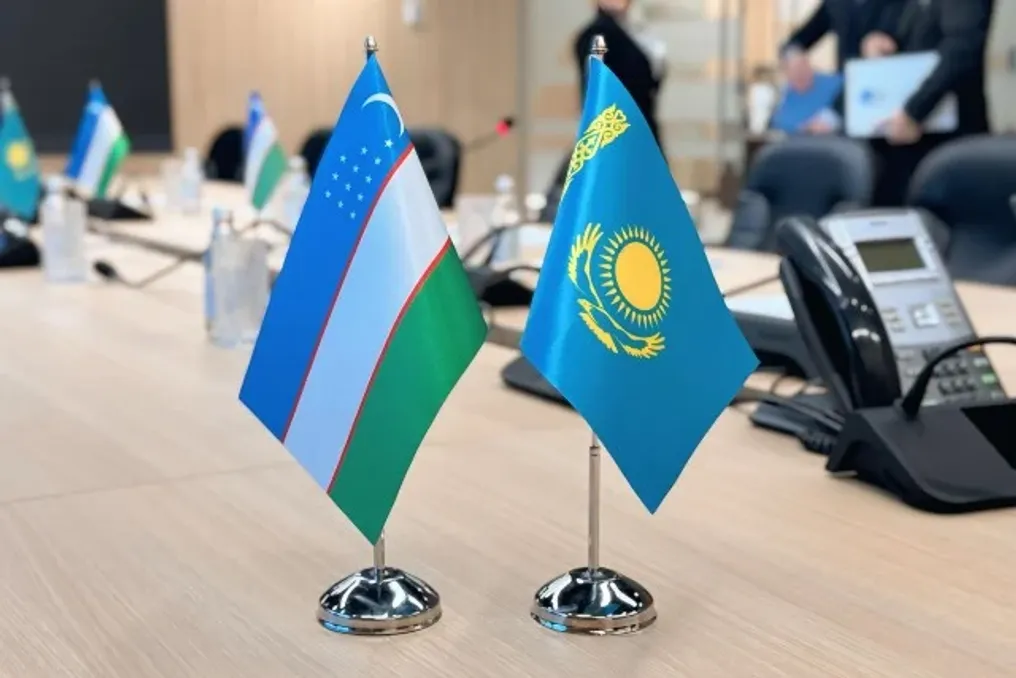
Representatives from Uzbek and Kazakh businesses proposed establishing a joint company that would assess the reliability of counterparties for factoring within the framework of bilateral trade. The discussion on this initiative took place at the Uzbekistan-Kazakhstan Business Forum in Tashkent.
Davron Vakhabov, Chairman of the Chamber of Commerce and Industry of Uzbekistan, noted that the lack of an effective factoring mechanism remains an obstacle to trade turnover between the two states. He explained that banks require time to evaluate entrepreneurs in another country before deciding to provide factoring.
Vakhabov reported that he had raised this issue with Timur Ishmetov, Chairman of the Central Bank of Uzbekistan. According to him, one of the options under consideration is the formation of an intergovernmental commission to create a list of reliable counterparties in both countries.
Kanat Sharlapayev, Chairman of the Presidium of the National Chamber of Entrepreneurs Atameken Kazakhstan, supported this proposal. He emphasized that the problem of cross-border payments affects not only Uzbekistan and Kazakhstan but also significantly limits trade growth and influences trade with Afghanistan and Middle Eastern countries, where the parties plan to expand cooperation.
Furthermore, Vakhabov mentioned that Uzbekistan is preparing a document according to which an Uzbek bank will be able to provide factoring to exporters, with part of the interest rate being subsidized by the state. He suggested testing this mechanism as a pilot project involving 50 wheat-supplying companies.
The potential solution was presented by Gauhar Baltabaeva, CEO of the Kazakh holding company Kompra, which is part of the Dream group of companies. Baltabaeva noted that Kompra ranks first in Kazakhstan for developing IT solutions and is among the top five companies in Central Asia, with its products available in 11 countries.
She stated that the company integrates publicly available and state data sources, allowing enterprises and banks in Kazakhstan to make decisions about lending and counterparties within seconds. Baltabaeva added that they conduct checks not only on Kazakh firms but also on all foreign companies working with Kazakh entrepreneurs, including Uzbek ones. Last year alone, the company conducted over 200 such checks, and the largest banks in Kazakhstan use this company's data when making lending decisions.
Fakhriddin Iliasov, co-founder of Marafon Group in Fergana and a member of the Council under the President of the Republic of Uzbekistan, proposed creating a joint project based on Kompra's experience. He stated: 'Gauhar knows who can receive factoring and who cannot. We would like to create an identical portal in Uzbekistan to assess the reliability of counterparties. Let us establish a joint company and then jointly propose it to the Uzbek-Kazakhstan fund so that it can decide who is entitled to factoring.'
Vakhabov immediately approved this idea, noting: 'I thought about this while we were discussing factoring. I agree.'
Specific details or the future structure of the proposed company were not discussed at the forum; the parties agreed to continue negotiations through working meetings.