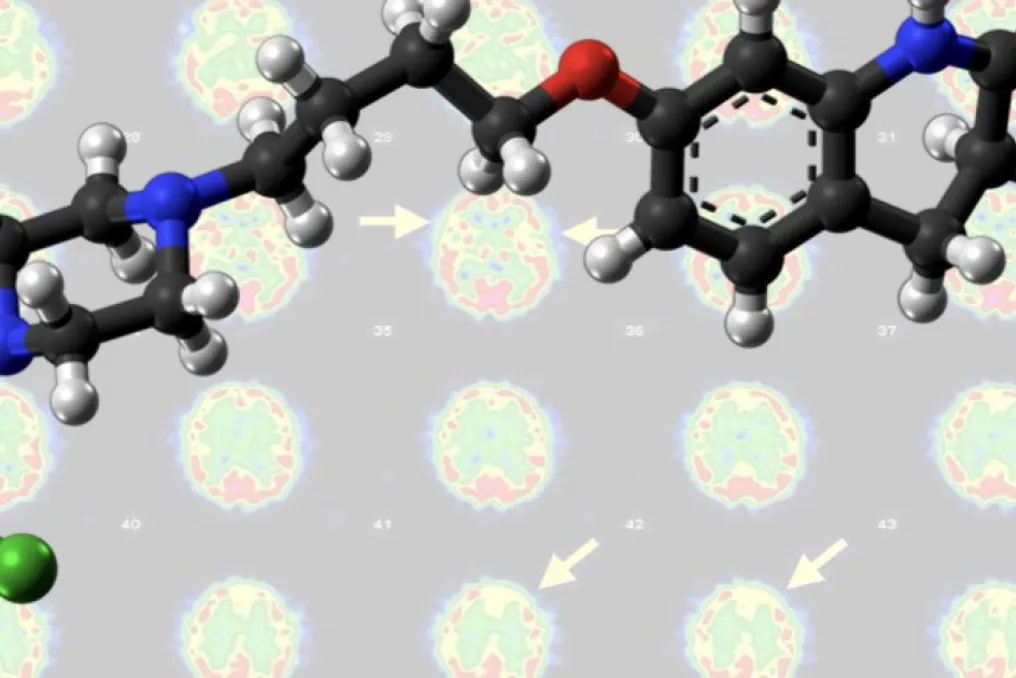
A cohort study involving 55,394 patients established a link between the use of the third-generation atypical antipsychotic aripiprazole and a reduced risk of low blood sodium levels, known as hyponatremia.
A cohort study involving 55,394 patients established a link between the use of the third-generation atypical antipsychotic aripiprazole and a reduced risk of low blood sodium levels, known as hyponatremia.
According to the study data, the risk of developing hyponatremia when using aripiprazole was lower than when using the second-generation antipsychotic olanzapine. The adjusted odds ratio was determined to be 0.52.
The results of this scientific investigation were officially published in the journal JAMA Network Open.
Researchers from the University of Colorado, located in Boulder, discovered alterations in the cells of cerebral blood vessels after exposure to erythritol, a sweetener widely used by both consumers and the food industry. This finding was published in the Journal of Applied Physiology in 2026.
The investigation focused on endothelial cells of the brain cultured in a laboratory setting, observing modifications related to vessel function, coagulation, and the defense of the barrier that regulates the entry of substances into brain tissue. The scientists suggest that these results help explain previous studies linking high levels of erythritol in the blood to a greater danger of cardiovascular events, such as stroke (CVA). However, they emphasize that human studies are necessary to validate such effects.
Erythritol, classified as a sugar alcohol, gained popularity due to its low caloric content, sweet taste comparable to regular sugar, and lack of impact on insulin levels. Despite these advantages, new analyses raise questions about the potential risks of excessive consumption. The team evaluated the behavior of cerebral endothelial cells after contact with the compound, which are crucial for vessel structure and maintaining the blood-brain barrier, the body's natural defense against external substances.
The data revealed that exposure to erythritol decreased nitric oxide production by the cells. This molecule is important for promoting vessel relaxation and dilation, facilitating circulation. Simultaneously, researchers noted an increase in endothelin 1, a protein associated with vascular narrowing, which can impair adequate blood flow.
Another effect detected was a reduction in the stimulated release of tissue plasminogen activator, a substance essential for dissolving clots. Furthermore, there was an increase in reactive oxygen species, molecules capable of damaging cells in excess. According to physiologist Auburn Berry, a member of the research, more constricted vessels and reduced clot removal capacity can create a scenario of higher stroke risk. She stated: 'The overall picture is that if your vessels become more constricted and your ability to clear blood clots decreases, the risk of stroke increases.'
The authors specified that the analysis focused on mechanisms related to ischemic strokes, which occur when a clot prevents blood supply to the brain. Although they did not directly investigate other cardiovascular problems, the researchers believe similar effects may occur in vessels of other parts of the body. For physiologist Christopher DeSouza, a participant in the investigation, the findings reinforce the urgency of monitoring the consumption of non-nutritive sweeteners. He stated: 'Our study adds evidence that supposedly safe non-nutritive sweeteners may not be free from negative health consequences.'
The scientists advise caution, as the conclusions do not yet confirm a risk to consumers, given that the experiment was conducted on isolated cells and laboratory conditions may not accurately replicate the absorption and processing of erythritol by the human body. Moreover, the researchers remind that the body itself produces this substance naturally, meaning that high blood levels may be linked to processes beyond simple dietary intake. The study also acknowledges previous research pointing to the vascular benefits of erythritol, indicating that the topic still has conflicting results and requires further analysis.