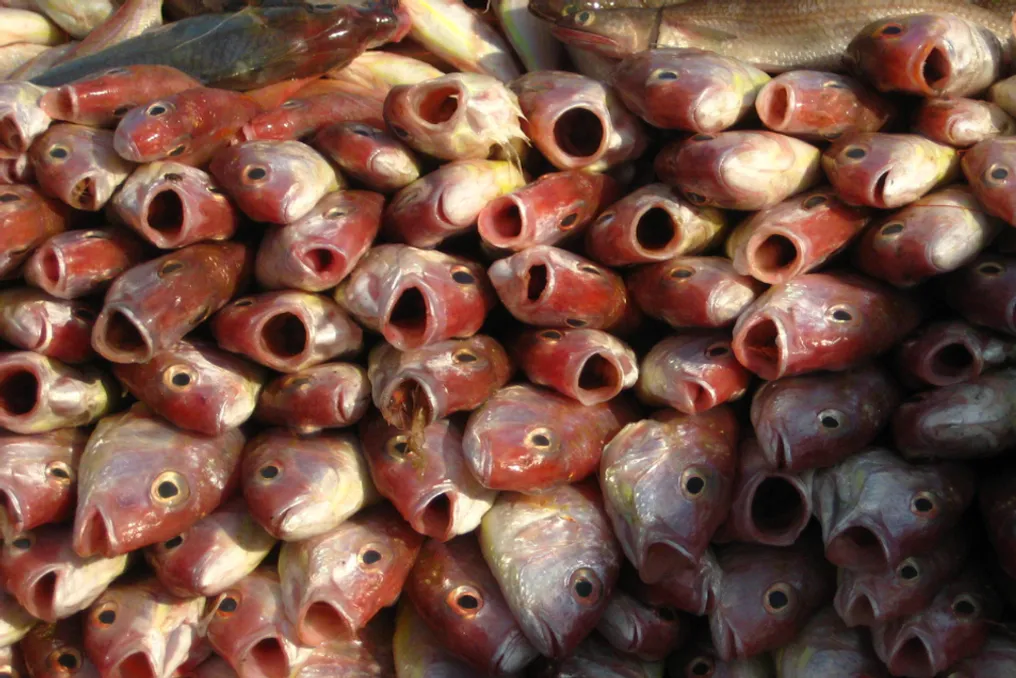
The question of which fish to eat is becoming increasingly important for the future of India's marine ecosystems. The Know Your Fish (KYF) initiative urges people to choose seafood based on its natural breeding cycles rather than year-round availability.
Experts, including marine biologists Puju Rathod and Mayuresh Gangala, as well as marine biologist Dr. Rohan Arthur and Mumbai fisherman Ganesh Nakhwa, and restaurateur Ilvika Chandavarkarkar, believe that seasonal seafood, while not a panacea, can be a significant step in protecting India's marine ecosystems.
A Sea-Based Calendar
Unlike general recommendations for endangered species, KYF uses a more practical approach. An online calendar created for the western coast of India helps consumers determine which fish species are breeding in different months and which ones should be avoided during that period. These recommendations take into account information on breeding cycles, biological characteristics, and the vulnerability of species to overfishing.
Similar guides are currently being developed for the eastern coast of India. Gangala emphasizes that the initiative's goal is not to condemn consumers or prescribe a diet, but to provide them with sufficient information to make informed decisions, as consumers themselves are part of the seafood system.
For Rathod, the main task is to make marine science accessible to ordinary citizens and to restore the connection between people and the ocean. She notes that when a person understands why fish cannot be eaten in a certain season, they are better able to make an independent decision. Information on breeding cycles, biological characteristics, vulnerability, and months when reduced consumption will have the greatest impact is attached to each species.
The founders cautiously emphasize that the calendar is not a universal solution to all of India's fishing problems; it is a tool that helps collectively reduce the impact on marine ecosystems by moving science from research papers into daily decisions. This is particularly relevant today because extensive cold chain systems allow fish caught in one region to appear in markets hundreds of kilometers away from the catch site, facilitating the purchase of species that are in their breeding season elsewhere.
What Our Traditions Already Know About the Sea?
Long before sustainable development became part of everyday conversation, many coastal communities had already followed seasons in their diet. For example, in Bengali families, valuable fish traditionally disappears from the table after the Saraswati Puja festival and only returns around the monsoon season. Although improved transport and storage allow for it to be available most of the year, this custom persists in many homes.
Gangala believes that many of these traditions were rooted in ecology, not just culture. He suggests that many communities have traditions related to seasonal seafood, not only in Bengal but also along the western coast. The team compared local knowledge with decades of fisheries science to see if these practices align with the biology of various species.
However, the answer is mixed: some traditional practices closely match breeding cycles, while others do not.
More Than Seafood Preferences
Dr. Rohan Arthur, senior scientist and founding trustee of the Nature Conservation Foundation (NCF), argues that the issue goes far beyond what is on the plate. Seasonality is one of the oldest forms of ecological knowledge possessed by coastal communities. He believes that local communities have always had built-in mechanisms for recognizing seasonality, and there are two crucial principles of ecological sustainability between seasonality and location.
Nevertheless, following these principles is becoming harder due to improved cold chain logistics, expanded transport networks, and constant consumer demand, which allows seafood to travel far beyond the coast. Arthur notes that the market encourages people to buy their favorite fish at any time, but maintaining seasonality has value because people eat what is naturally available at that moment.
For Arthur, the seafood calendar returns an important decision to consumers. He stresses that this is not just a matter of food security, but also the protection of the ecological integrity of fish populations. However, he warns that choosing seasonal seafood alone is not enough to protect India's fisheries, as climate change is already transforming the oceans.
Climate uncertainty is growing, and fishermen are facing the fact that species that used to appear predictably may now appear earlier, later, or in smaller numbers. Therefore, Arthur views seasonal seafood as part of a much larger mosaic, where rational consumer choice must be combined with broader conservation efforts.
Can Restaurants Afford to Say 'No'?
Choosing seasonal seafood is relatively easy at home, but restaurants face a different challenge, as visitors often expect their favorite fish to be available year-round. Ilvika Chandavarkarkar, chef and co-founder of Malaka Spice in Pune, asserts that restaurants can forgo a popular dish for the sake of sustainability. Her restaurant displays the KYF calendar next to the menu, prompting guests to think differently.
If royal fish is in its breeding season, the restaurant offers another seasonal catch. In some cases, there are no alternatives, and such species are completely excluded from the menu. Although this is not always an easy decision, as guests may specifically come for them, Chandavarkarkar insists on the necessity of responsibility.
The situation is even more complex with mollusks, as they have few suitable substitutes. Instead of simply stating unavailability, the restaurant explains to guests why the dish is not served. Chandavarkarkar notes that although some customers may be disappointed, responsibility is ultimately what matters.
In addition to customers, the calendar is used to train Malaka Spice staff so that chefs and waiters know about breeding seasons before recommending dishes. Ganesh Nakhwa, a fisherman from Mumbai, noted a sharp rise in the price of surmai, which served as a reminder of the unpredictability of catches due to changing weather conditions. He says that climate change disrupts many patterns, and KYF's current focus is on collecting real-time data from fishermen to understand if breeding seasons are shifting.
These changes are already affecting policy: the annual fishing ban in Maharashtra was extended until August 15 due to changes in rainfall patterns. Nakhwa points out that seasonal signals, such as the southwest monsoon, are becoming less predictable, affecting the arrival of species like Bombay duck and shrimp, and creating problems for families dependent on this catch.
}, {