Triumph is expanding its 400cc motorcycle line and introduced two new models from this family during the Interlagos Festival. The focus of the presentation at the event was on sporty models.
Triumph is expanding its 400cc motorcycle line and introduced two new models from this family during the Interlagos Festival. The focus of the presentation at the event was on sporty models.
One of the launches is the new Tracker 400, which is configured as the naked model in this line. Its list price is R$ 30,990, positioning it above the Speed 400 in the family's price hierarchy.
The Tracker 400 features a retro design, equipped with a full-LED round headlight and a side plate reminiscent of old racing motorcycle numbers. The wheels are alloy and come mounted with Pirelli MT60 RS tires.
The second vehicle launched was the Thruxton 400, classified as a faired cafe racer. This model also has a round headlight and features front elements inspired by old competition models. The established price for the Thruxton 400 is R$ 34,990.
Both motorcycles share a 398cc engine, which generates 42 hp and 3.8 kgfm, with 80% of the power available at 3,000 revolutions per minute. All vehicles in this line are equipped with a dashboard that includes an analog speedometer and a multi-function LCD display.
To assist the rider, the models feature traction control, ABS braking system, and electronic throttle. Triumph has already begun distributing these motorcycles to its network of authorized dealerships.
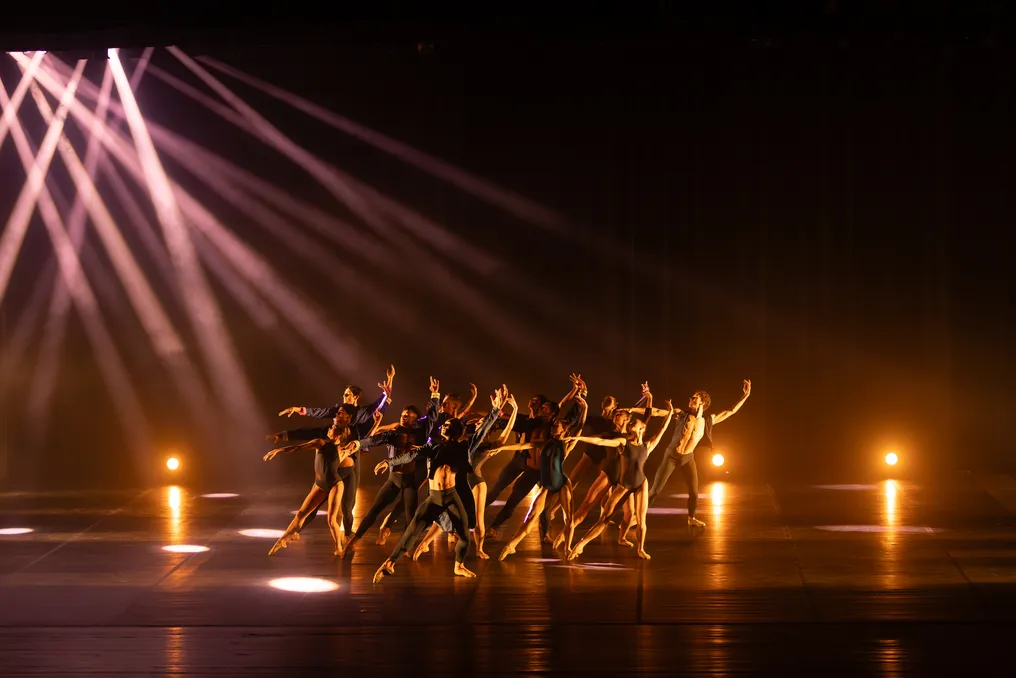
The Young Company of the Bolshoi Theatre School in Brazil, which is based in Joinville, will hold a performance in São Paulo this weekend. The show will feature classic works from the dance repertoire and a contemporary piece.
On August 15th and 16th, Saturday and Sunday, the Liberdade Theater will host four sessions of Gala Bolshoi and Ballet Kaori, scheduled for 4 PM and 8 PM.
The performance is divided into two acts. The first act begins with a gala composed of excerpts from renowned ballets. Highlights include the pas de deux from Swan Lake by Tchaikovsky, as well as variations from The Corsair and Don Quixote, showcasing various facets of classical technique, from subtle movements to moments of great virtuosity.
In Don Quixote, the Kitri variation is notable, characterized by the famous sequence of 32 fouettés. This movement involves a succession of turns executed on one leg; the ballerina uses the other to propel, opening it laterally and repeatedly closing it while maintaining the body's rotation. It is a complex and easily recognizable step of classical ballet, requiring control, balance, precision, and strength.
The first act also presents moments from The Corsair, a work known for the intensity of its variations and the stage presence of the dancers. This ensemble demonstrates the technical mastery of the Young Company, which is composed of dancers in the process of professional refinement.
In the second act, the atmosphere transforms with Kaori, a contemporary ballet created by choreographer William Almeida. This work was launched in 2018 and has been part of the institution's repertoire since then. The show explores the connection between technique and expressiveness through fast and precise movements, strong physicality, and a modern aesthetic. The choreography demands not only bodily mastery from the dancers but also emotional commitment and intensity.
In addition to the performances, the tour schedule includes free workshops and open auditions for new students, aiming to increase the participation of diverse audiences in dance-related activities.
Tickets for the Gala Bolshoi and Ballet Kaori sessions start at R$ 50 and can be purchased through Sympla.
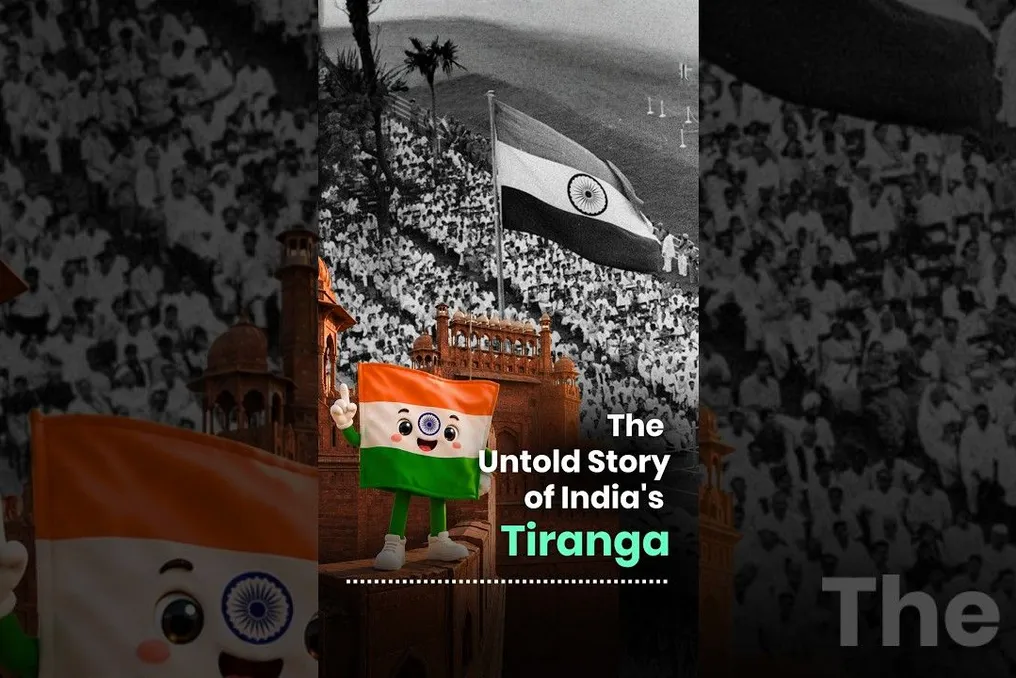
The Indian flag represents 1.4 billion Indians daily, even though it is raised only twice a year. This symbol did not appear suddenly; before it began to fly over the Red Fort, the Indian flag went through a long evolutionary path, including many different designs and embodying the dream of a free India.
In 1921, Pingali Venkayya presented one of the early sketches, while Mahatma Gandhi represented the spinning wheel as a symbol of self-sufficiency.
The flag known today was officially adopted by India on July 22, 1947. The colors have specific meanings: saffron symbolizes courage, white symbolizes truth and peace, and green symbolizes faith in the future. The spinning wheel was replaced by the Ashoka Chakra, which serves as a reminder of the need for constant forward movement of the nation.
The flag was first hoisted over independent India on August 15, 1947. Since then, it has accompanied battles, Olympic podiums, scientific breakthroughs, and the hands of Indians who dared to dream bigger. It is not just composed of three stitched colors; it carries the dreams of millions of people who did not get to see it flying.
The third season of House of the Dragon raises a provocative question: who bears the consequences when the ambition for power becomes uncontrolled? Although the scenes of great battles are visually impressive, the true cost of this civil conflict transcends mere visual spectacle.
The end of the third season mirrors its beginning, presenting a major battle without a clear winner. The series is notably spectacular this season, featuring dragons in most episodes, large action sequences, and picturesquely high-quality scenes. However, the elevated aesthetic standard risks diverting attention from the narrative's core point: the price of war.
Andrij Parekh, director of the final episode, shares a view that resonates with the season's analysis. In an interview with the official Game of Thrones franchise podcast, he mentioned that the Battle of Tumbleton, a crucial event based on George R.R. Martin's book Fire & Blood (published in 2018), has no winners.
The author suggests that the main theme of the third season could be termed 'Power & Desire,' exploring how power alters those who possess or lose it, how it affects those close to it, and how desire (including the desire for power) directs the characters' trajectories. The narrative arcs of the Targaryens, such as Rhaenyra (played by Emma D’Arcy), Aegon (Tom Glynn-Carney), Aemond (Ewan Mitchell), and Daeron (Benjamin Evan Ainsworth), are examined, as are the characters around them, including Alyn (Clinton Liberty), Mysaria (Sonoya Mizuno), Ulf (Tom Bennett), Hugh (Kieran Bew), and Ormund (James Norton).
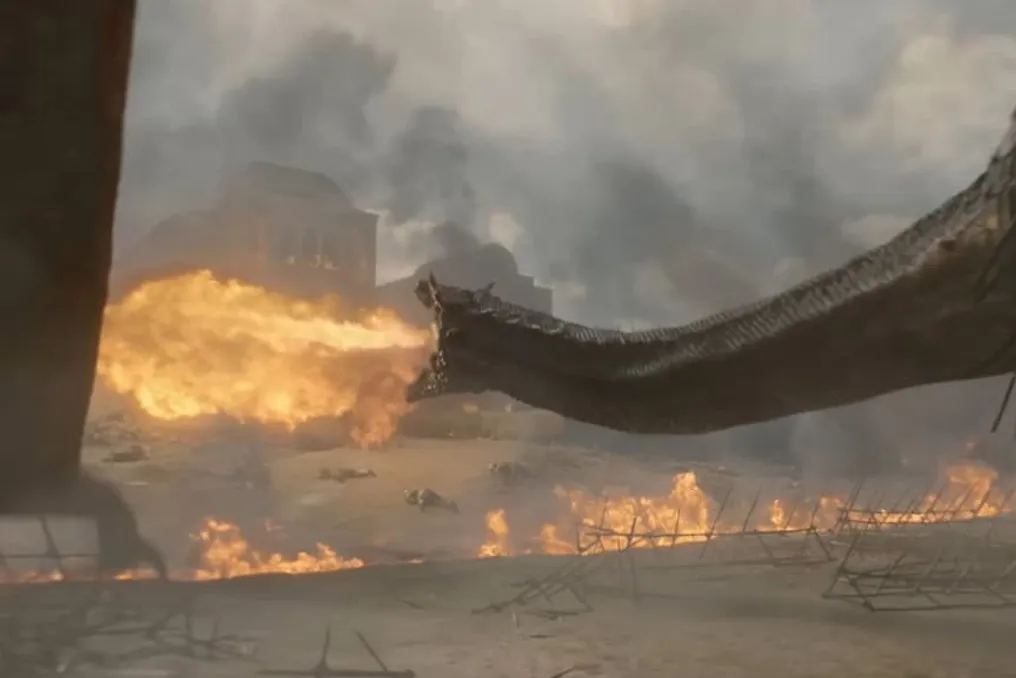
It is observed that power tends to transform people, often for the worse, resulting in corruption, especially when there is deep personal suffering, as in Rhaenyra's case. Furthermore, desire is presented as something deceptive. What remains in the viewer's memory, according to the analysis, are not just the grandiose battles—at sea, on land, or in the air—but the human cost: the sea of bodies in the bay after the Battle of the Gullet, the ashes of combatants in Westeros, and the ruins after the Battle of Tumbleton, where desolate people carry the remains of loved ones.
It is essential to reflect on who suffered the most in these confrontations, who paid the price of the dispute between noble factions, and who was manipulated by all involved, going beyond the Greens and Blacks. The common people, who returned under the rule of a tyrannical figure from the Blacks, are one of those affected. An interesting aspect of the season is noting that the war ceases to be controlled by its initiators. While Rhaenyra, Daemon, Alicent (Olivia Cooke), Aegon, and others tried to manage the dispute over the Iron Throne, the decisions ended up generating unmanageable consequences.
Ulf serves as an example of this; initially unknown, he became a key piece after receiving a dragon. In the end, the situation spirals out of control, and Ryan Condal (showrunner and final writer) admitted that Rhaenyra, Daemon, Ormund, and the feudal system are responsible for the path that led Ulf to that point. This shifts the focus of the series from 'who is winning?' to how a war generates its own horrors.
Rhaenyra also evolves significantly. Her quest for legitimacy gradually leads her to make increasingly authoritarian decisions, causing her to break with institutions that were previously necessary for her governance. The ending highlights that the more she tries to prove her right to rule, the closer she gets to the logic of power of her adversaries.
The question posed for the fourth and final season is: after so many efforts to control the conflict, who holds the real command? In parallel, the classic vigilante, played by Hugh Jackman (Wolverine), receives a darker reinterpretation. Severely wounded after a battle, he is cared for by a mysterious woman, being forced to confront his flaws and the results of his past actions.
In another plotline, in the 1980s, the couple Denise (Anne Hathaway) and Greg (Ewan McGregor) faces marital difficulties while raising two teenage children (Maisy Stella and Christian Convery). Their lives change drastically when an inexplicable storm transports the neighborhood of Oak Street to the dinosaur era. Finally, a young filmmaker (Hannah Einbinder) is hired to resurrect a slasher horror star, Gillian Anderson, for a reboot. However, the pursuit of this veteran crosses ethical boundaries, turning the filming into a nightmare marked by violence and psychosexual obsession.