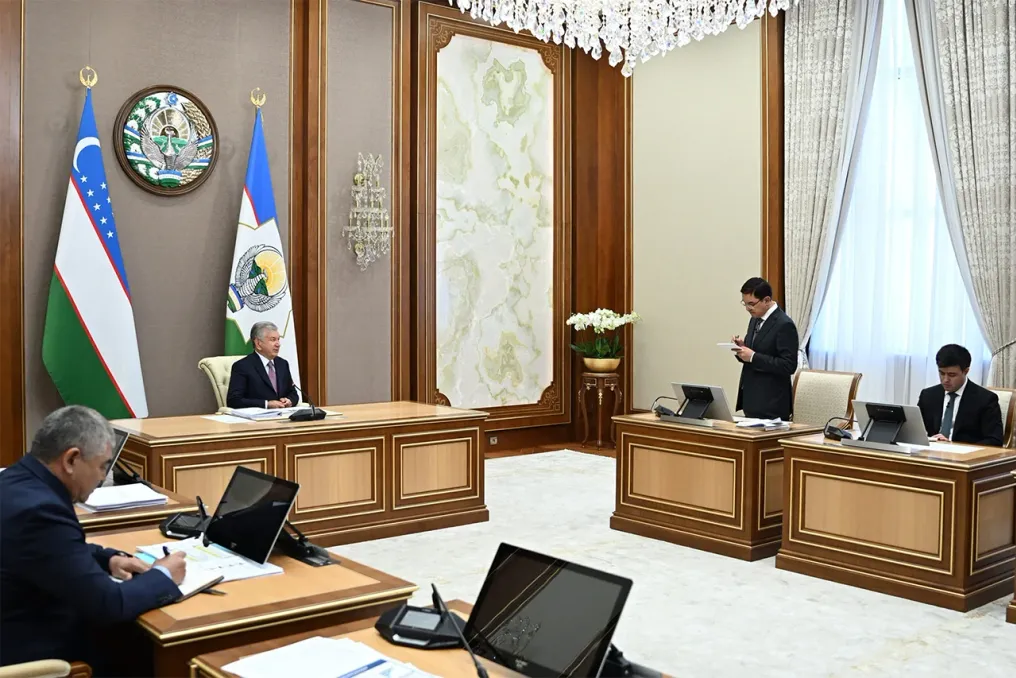
The President of Uzbekistan, Shavkat Mirziyoyev, reviewed the preparations for the sixth open dialogue with entrepreneurs and ordered that specific solutions be found for the systemic obstacles slowing down business development, according to the Presidential Press Service.
To prepare for the upcoming dialogue, the republican headquarters has been operating since May 15 and includes representatives from more than 50 ministries and agencies. Entrepreneurs can submit their appeals through the call center and official bots. Currently, about 6000 appeals have been received, of which over 4200 have been positively resolved, and the review of nearly 1800 appeals is ongoing.
As part of the preparation, responsible organizations held over 750 meetings, in which more than 8800 entrepreneurs participated. During these gatherings, over 3500 proposals and acute issues were raised.
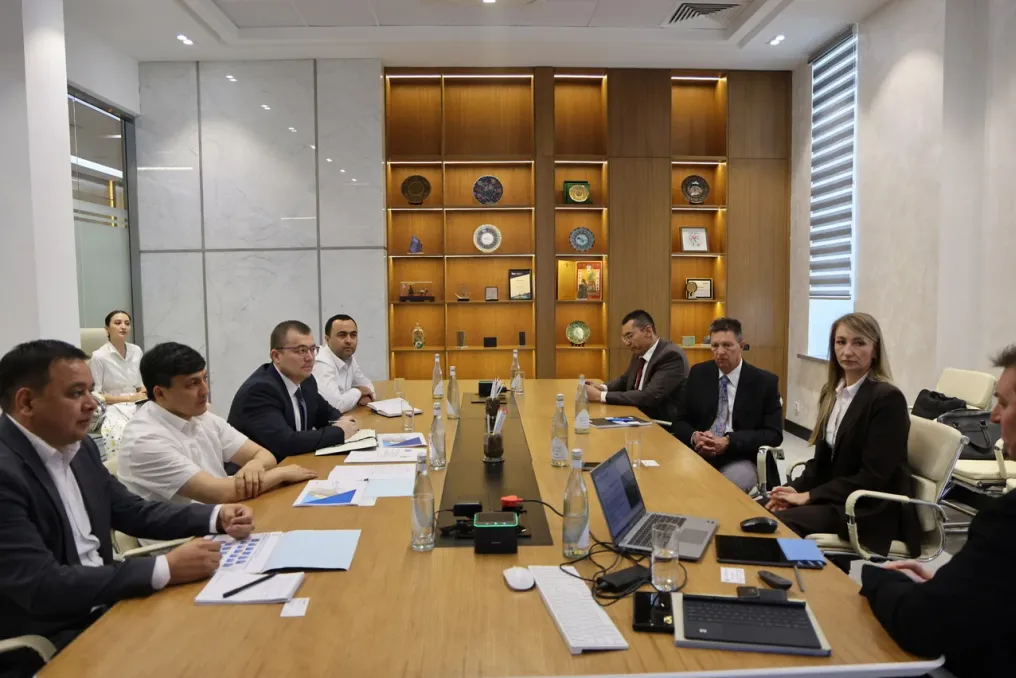
The Business Ombudsman and the Chamber of Commerce and Industry organized over 130 meetings involving more than 5700 entrepreneurs, who voiced about 1500 problems. Proposals for their systemic resolution and legislative improvement are being developed jointly with relevant ministries and agencies.
A survey was also conducted among 5072 entrepreneurs from all regions of the country. The study covered aspects such as business efficiency, investment and infrastructure, tax administration, foreign trade, as well as judicial and legal issues. 93% of domestic private enterprises representing the sectors of trade, services, industry, construction, and agriculture participated in the survey.
According to the survey results, enterprises have opportunities to increase labor productivity and reduce costs. Companies that have implemented digital platforms, artificial intelligence, energy-saving technologies, new products, and modern production methods demonstrate higher sales, competitiveness, wage, and investment indicators.
However, only 11.6% of enterprises implement measures to improve efficiency in three or more areas, and another 28.5% have taken no such measures. Furthermore, 51% of companies have not recently introduced new products, services, or innovations and have not carried out modernization.
Over the past year, 40% of enterprises have not made investments, and 29% do not plan to invest next year. The main obstacles cited by entrepreneurs were high loan interest rates, undervaluation of collateral, and a large number of required documents with long credit processing times.
Problems persist regarding production costs. According to the survey, 38% of enterprises have not taken measures to reduce expenses, while costs for goods and services have increased for 53% of enterprises. The main reasons cited were the rise in raw material prices and increased costs for energy and logistics.
Additionally, 43% of enterprises do not apply energy-saving measures, and 49% do not use renewable energy sources. Entrepreneurs also pointed to infrastructure problems, including frequent outages, low voltage and pressure, as well as issues related to limits and tariffs.
In terms of tax administration, respondents noted difficulties with inspections and VAT refunds. Nevertheless, 94% of entrepreneurs positively assessed the impact of the sustainability rating on business activities.
Foreign trade is conducted by 22.3% of the enterprises participating in the survey. Among the main barriers to exports, they cited finding foreign clients, product certification, logistics, financial instruments, and customs procedures, as well as a lack of information about foreign markets and marketing skills.
In the judicial and legal sphere, entrepreneurs positively assessed access to qualified legal assistance and the transparency of public procurement. However, 73% of respondents stated that bureaucratic procedures negatively affected enforcement proceedings.
Following the discussion, the President instructed officials to conduct a detailed analysis of the survey results and appeals by region and sector. Special attention was paid to improving business efficiency, implementing innovative and energy-saving technologies, lending and infrastructure issues, tax administration, supporting exporters, and strengthening the legal protection of entrepreneurs. A separate task was also set to determine a specific solution, implementation mechanism, responsible parties, and deadlines for each problem raised during the open dialogue.