During the monsoon season, the risk of mosquito-borne diseases such as Dengue fever, malaria, and Chikungunya increases. There is also an increase in cases of respiratory infections, including influenza, as well as water- and food-borne illnesses like typhoid fever, viral hepatitis (A and E), and acute gastroenteritis. Furthermore, conjunctivitis and fungal skin infections are often encountered during this period.
The reason for this rise in morbidity is the activation of various viruses and bacteria during this season, leading to the spread of infectious diseases that can be transmitted from one person to another. Therefore, it is crucial to pay attention to your health during this time. This article examines the necessary tests and symptoms that warrant a doctor's visit.
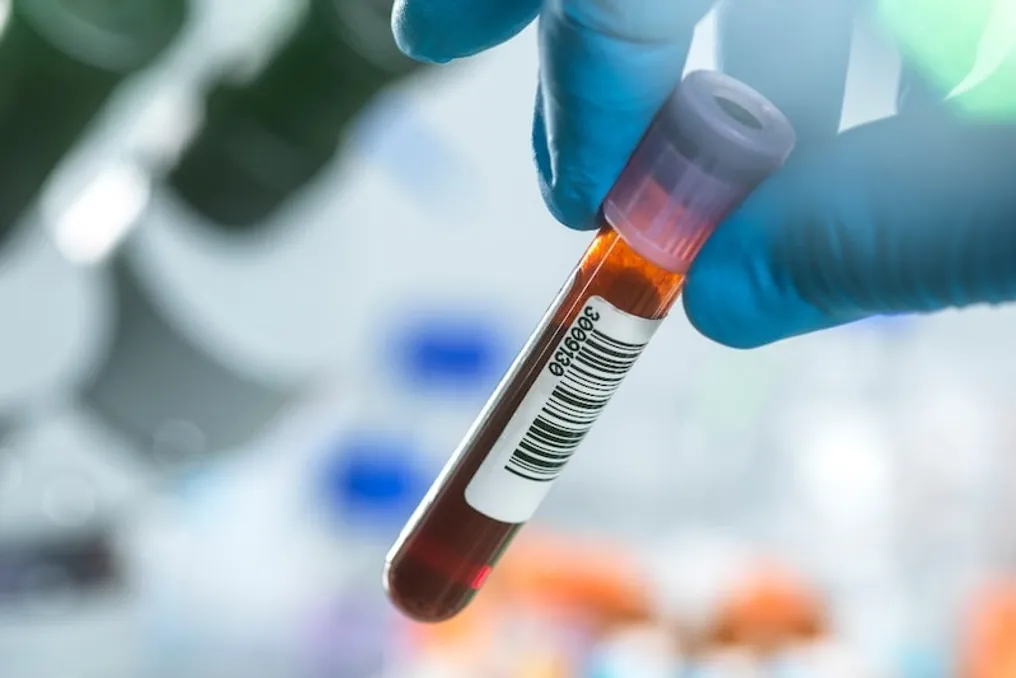
Dr. Shaily Mahajan, Director of Mahajan Imaging and Labs, notes that there are several preventive measures that can significantly reduce the likelihood of getting sick during the monsoon season. According to her advice, after consulting with a treating physician, one can undergo tests for a complete blood count (CBC), blood sugar levels, liver and kidney function, as well as a urine analysis. These examinations provide a complete picture of health status and identify factors that increase the risk of serious infections.
Dr. Shaily emphasizes that immediate medical attention is required if symptoms such as persistent fever, chills, severe body aches, cough, sore throat, difficulty breathing, vomiting, diarrhea, rash, jaundice, or bleeding without an apparent cause appear. Depending on the symptoms, a number of specific tests are recommended. These include CBC with platelet count, Dengue NS1 antigen or IgM antibody tests, malaria antigen test (with peripheral smear), RT-PCR for influenza/COVID-19, blood culture (before starting antibiotics), as well as liver and kidney function tests and urine analysis.
According to Dr. Shaily, early detection of the disease through testing allows for prompt treatment, preventing the illness from progressing to a severe stage. Thus, timely completion of tests plays a key role in combating infections.