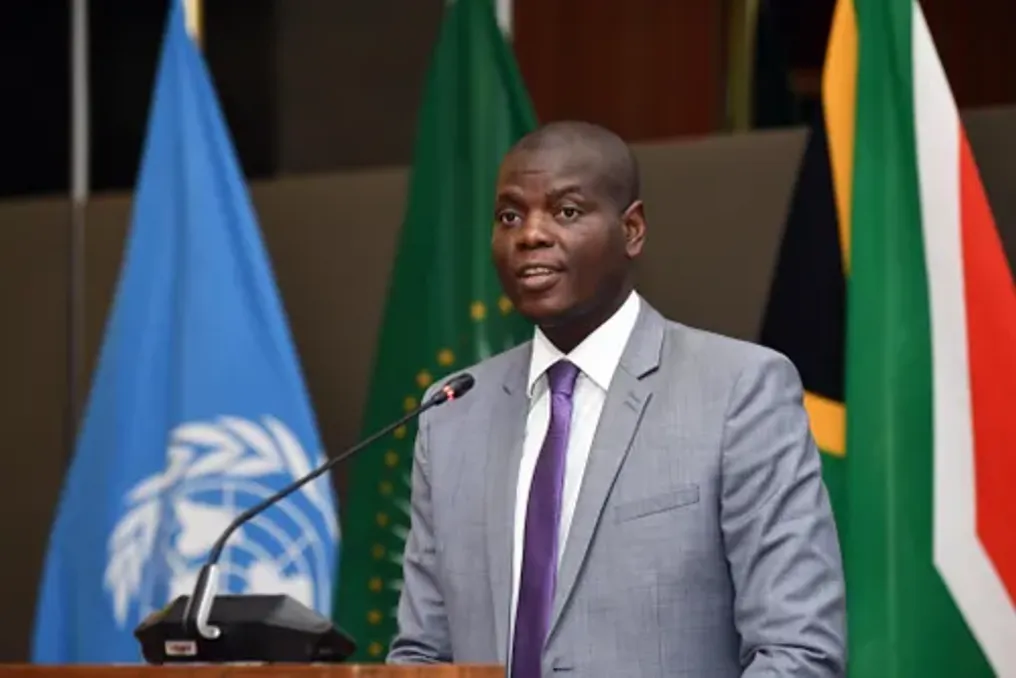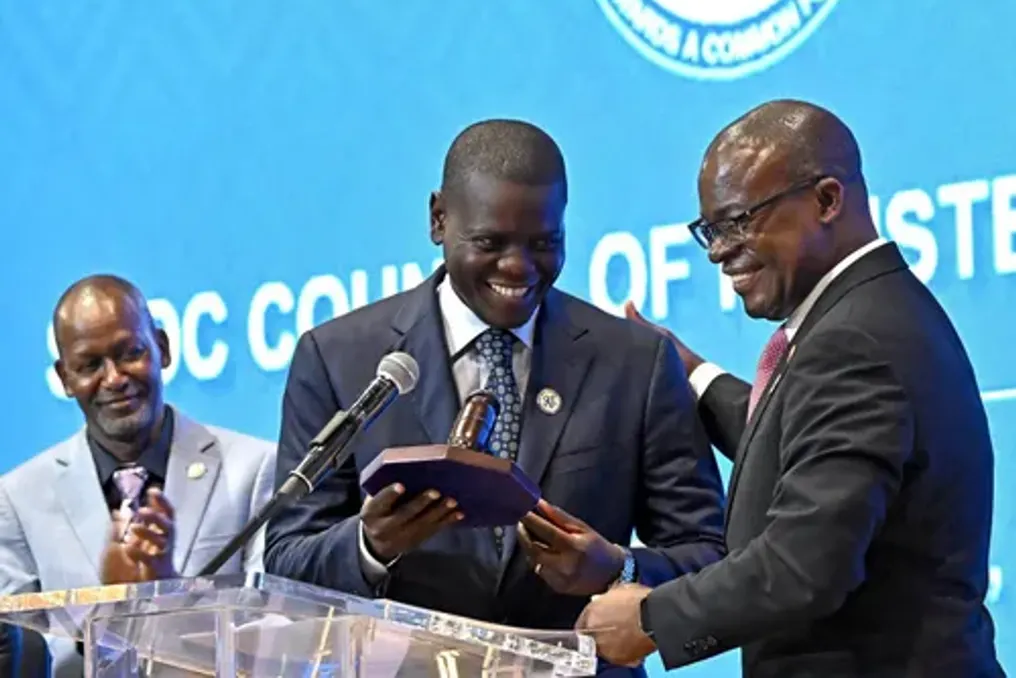
As Cyril Ramaphosa assumes the chairmanship of SADC, South Africa intends to prioritize migration management, critical minerals, regional trade, infrastructure, and human capital development, striving for closer regional cooperation.
South Africa will insist that SADC countries adopt a more orderly approach to migration and sign a protocol allowing free movement of people, as President Cyril Ramaphosa leads the regional bloc.
Krispin Phiri, a representative of the Department of International Relations and Cooperation (Dirco), stated that migration management will be one of South Africa's priorities during its chairmanship. This comes against a backdrop of growing discussions on irregular migration, border integrity, access to economic opportunities, and pressure on local communities and state institutions.
Phiri noted that South Africa recognizes the legitimate concerns of its citizens but rejects vigilantism and human rights violations. He emphasized that solving issues related to irregular migration must be done within an orderly and legal system.
He added that the movement of people across the region is often linked to broader issues of employment and economic opportunities, and it should not be viewed solely as a security issue. Phiri expressed hope for a joint search for comprehensive and long-term solutions to the region's migration problems.
Minister of International Relations and Cooperation Ronald Lamola called on the bloc's countries to sign a protocol on the free movement of people to ensure regular and orderly migration, Phiri reported.
The migration agenda will be part of a broader program that South Africa will implement during its tenure as SADC chair. Key priorities of this program are peace and security, industrialization, infrastructure, and human capital development. Phiri clarified that South Africa's primary task will be to promote peace, security, and stability in the region, as he believes that the security of one state is inextricably linked to the security and stability of the entire Community.
He recalled that SADC has experience in collective response to threats to peace and security, and regional solidarity remains its greatest strength in addressing emerging political and security challenges.
Furthermore, South Africa will focus on accelerating industrialization through agricultural transformation, processing of critical minerals, increasing regional trade, and developing regional value chains. Phiri reported that nearly 30% of global proven critical mineral reserves are located in the region, which also holds about 50% of global cobalt reserves and 20% of graphite reserves.
He noted that the region's mineral wealth has historically benefited economies far beyond its borders, while local economies remained trapped in extractive models. To change this situation, resources must be processed, regional value chains created, and trade between countries in the region increased.
South Africa aims to realize the goals agreed upon at the Scucuce meeting, including achieving 50% intra-regional SADC trade and ensuring local processing of critical minerals. Infrastructure development will also be an important area. Phiri stated that South Africa will advocate for the expansion and modernization of regional connecting infrastructure, including energy, transport, ports, digital networks, and water systems. He stressed that reliable energy, efficient transport corridors, modern ports, integrated digital networks, and stable water systems are indispensable for regional connectivity, industrialization, and the movement of goods and services.
It was noted that regional production currently accounts for only 10% of GDP and is incapable of generating the required volume of jobs. South Africa will also prioritize social development and human capital development, especially considering Africa's young population. Phiri pointed out that Africa has the youngest population in the world, with an average age of 19 years, and almost 60% of the population is under 25. He predicts that by 2030, one of four young people in the world will originate from Africa.
South Africa's program in the region will also cover gender equality, climate change resilience, and disaster risk management. Phiri stated that these aspects will permeate every aspect of the regional program, as development cannot be comprehensive if it ignores gender issues, leaves youth behind, or fails to prepare communities for climate and other shocks.
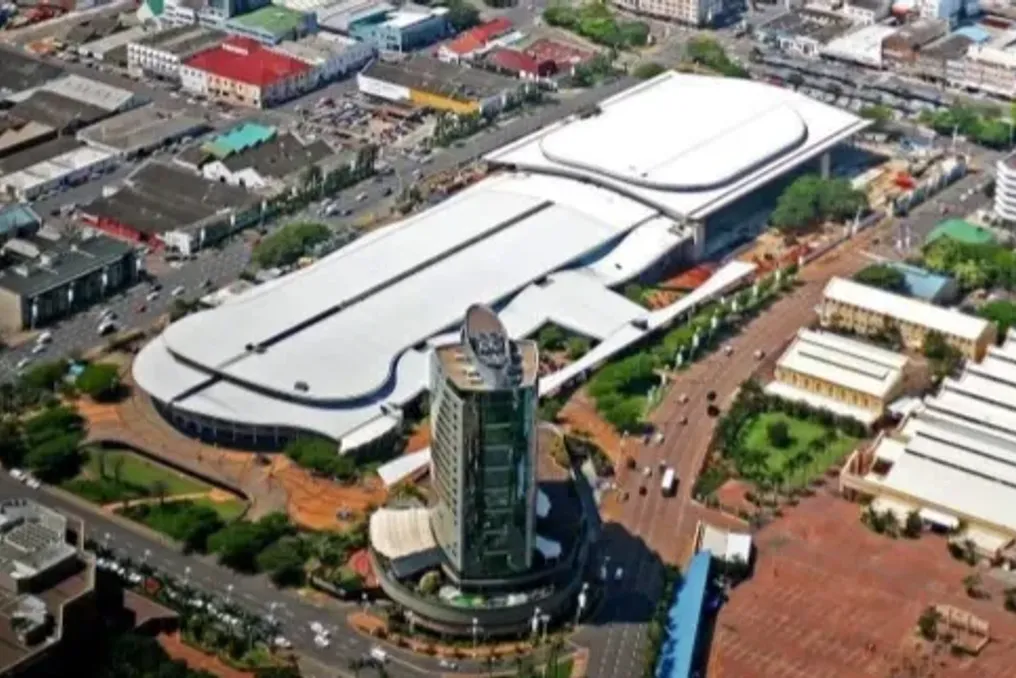
The 46th Ordinary SADC Summit is taking place in Durban, which Phiri described as historically significant for South Africa and the region. The Inkosi Albert Luthuli International Convention Centre is named after former ANC General President Albert Luthuli, who was the first African to win the Nobel Peace Prize. Phiri recounted that Luthuli's life reflects the interconnected history of South Africa. He was born in Solusi Mission near Bulawayo in present-day Zimbabwe into a family originating from what was then Natal, and later returned to the province where he worked as a teacher, became a traditional leader, and served as ANC General President.
Durban also hosted the first United Nations Conference on the Elimination of Racial Discrimination, Xenophobia, and Other Intolerances 25 years ago. A year later, in July 2002, the Organisation of African Unity transformed into the African Union in this city. Phiri noted that Durban's history also reflects the economic ties between South Africa and the region. He concluded that this marked a decisive transformation of a continental body, born out of anti-colonial struggle and the pursuit of African unity, into an institution designed to promote the common development and political integration of a free continent. He added that Durban's history shows that his country's industrial development significantly benefited from a large labor pool from the region and beyond.