At the end of August and beginning of September, new flights connecting Uzbek cities with Kazan will start operating. Passengers will now have the opportunity to take direct flights from Kazan to Samarkand and Namangan.
At the end of August and beginning of September, new flights connecting Uzbek cities with Kazan will start operating. Passengers will now have the opportunity to take direct flights from Kazan to Samarkand and Namangan.
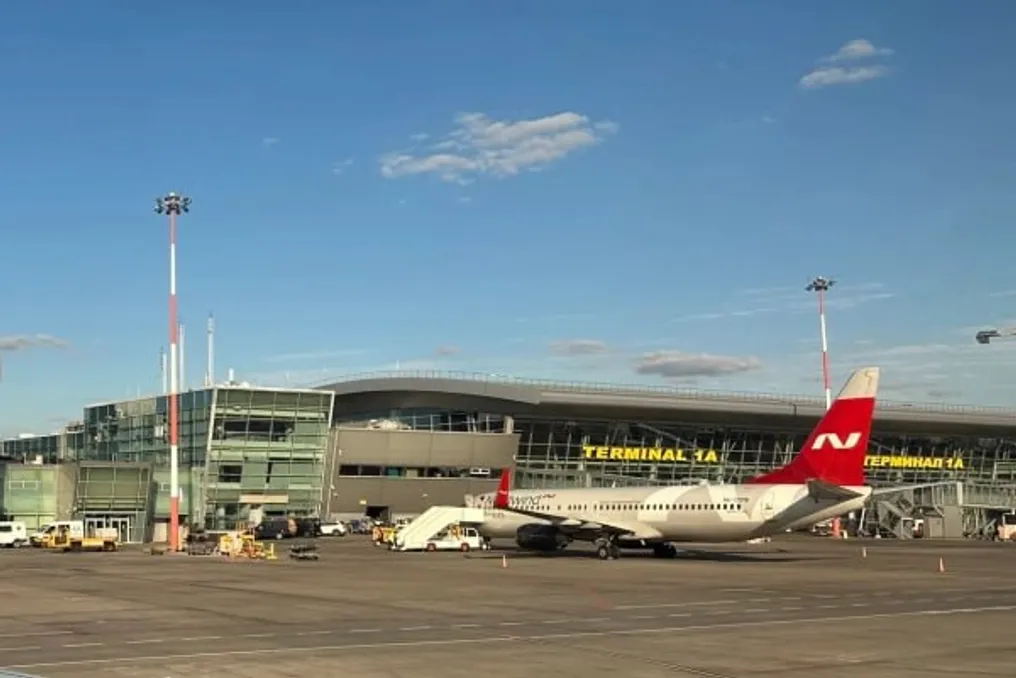
The first of the new routes will begin operating on August 26, when planes start flying from Kazan to Samarkand. Starting September 5, Namangan will be added to this direction. The transportation will be carried out by the airline Nordwind.
Representatives of the airline emphasized that there is growing interest from Russian tourists in Uzbekistan. In this regard, after introducing regular flights between Kazan and Tashkent, the carrier decided to expand its route network by adding two more Uzbek cities.
Passengers wishing to travel to Samarkand or Namangan can use a connection at Kazan International Airport named after Gabdulla Tukay if they arrive from Moscow or St. Petersburg.
Previously, starting in July, Nordwind Airlines operated direct flights to Tashkent from Kazan airport twice a week; other airlines also operate on this route. Additionally, Uzbekistan Airways operates flights from the capital of Tatarstan to Samarkand and Fergana.
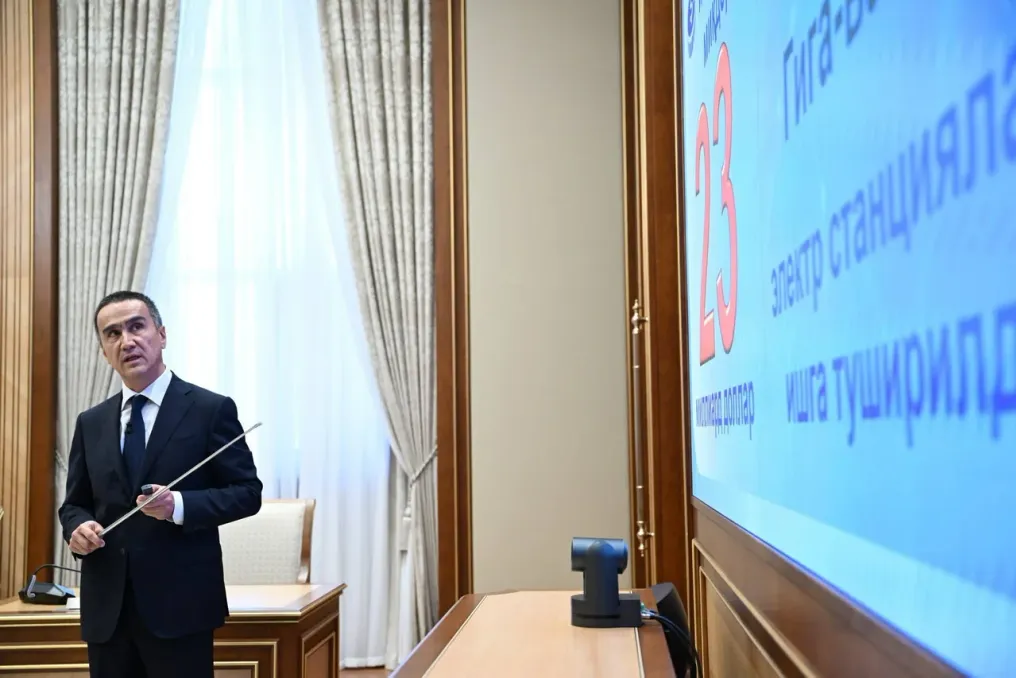
Uzbek companies will undertake the construction of power grids and substations in Afghanistan as part of a project that will be carried out under strict control from the Uzbek side with weekly reporting.
The Minister of Energy, Sherzod Khodjayev, announced this at a meeting chaired by President Shavkat Mirziyoyev on fuel and energy sector issues.
The total cost of this project is 222 million US dollars, with full financing provided by the Afghan side. Of this amount, 140 million dollars will cover the export of Uzbek products, including construction materials and equipment.
Khodjayev also stated in an interview with the O'zbekiston 24 channel that electricity supplies to Afghanistan from Uzbekistan's surplus capacity will only occur after the domestic demand in Uzbekistan is fully met, as priority is given to ensuring the energy supply for local consumers.
This project became one of three areas presented by the Ministry of Energy at the meeting. In addition to the Afghan project, the ministry reported on plans for nationwide expansion of the experience in developing energy passports for mahallas, the pilot launch of which took place in the Yangiyul district. The transfer of regional electricity distribution networks to the Turkish company Aksa Elektrik for management was also announced, which is an unprecedented case in the country's history.
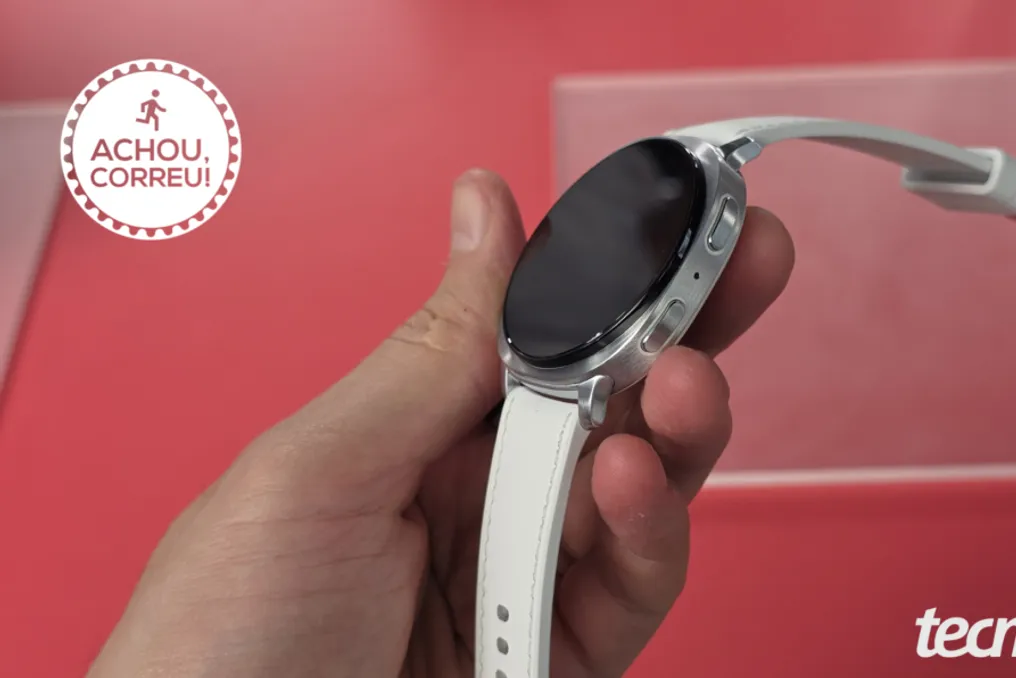
The 40mm Galaxy Watch 8 LTE was found on Amazon for only R$ 1,199 using Pix. This Samsung smartwatch reached its lowest recorded price, offering a significant 64% discount from the original price of R$ 3,299.
This smart watch features a Super AMOLED screen and includes the BioActive sensor, designed to assist in physical exercise. The 1.34-inch Super AMOLED screen offers an intense brightness of up to 3,000 nits, ensuring vibrant colors and good visibility in any environment. Furthermore, the display is protected by Sapphire glass against impacts and drops.
The BioActive sensor and other features support multiple sports activities, including modes for running, walking, and cycling. In terms of wellness, it supports functionalities such as stress measurement, sleep monitoring, female health tracking, and blood oxygenation, in addition to electrocardiogram (ECG).
Thanks to 4G/LTE support, the device becomes a crucial support tool in medical emergencies. It has the ability to send alerts to predefined contacts and make calls to services such as the police (190) or ambulance (192) without needing a connected mobile phone.
Internally, the Galaxy Watch 8 is equipped with the Exynos W1000 chip, 2 GB of RAM, and 32 GB of internal storage, allowing applications to be installed and run locally with good performance. The 435 mAh battery promises up to 40 hours of use, and the device supports 10W wireless charging.
In addition to 4G/LTE, the gadget connects via Wi-Fi 5, Bluetooth 5.3, NFC, and multiband GPS. Its 40mm Armor aluminum body has MIL-STD-810H and IP68 military certifications, giving it resistance to deep immersion and extreme weather conditions. Running Wear OS 6, the 40mm Galaxy Watch 8 LTE is fully compatible with all Google services.
Anthropic, the developer of Claude, is in negotiations to acquire Decart AI, an Israeli artificial intelligence startup that was valued at approximately US$ 4 billion. However, the transaction could reach a value of around US$ 6 billion.
This acquisition is part of Anthropic's strategy to strengthen its computational capacity and keep pace with the expansion of Claude. Decart AI creates infrastructure solutions focused on increasing the speed and efficiency of AI systems, in addition to possessing its own models.
Although the conversations are in a preliminary stage, if the deal is finalized, Decart's employees will be integrated into the Anthropic team responsible for the performance and efficiency of its models. This move comes as the company prepares for a possible Initial Public Offering (IPO) in the United States.
Decart raised US$ 300 million in an investment round led by Radical Ventures. Nvidia joined the investors, alongside other companies such as Adobe, Amazon, and Toyota Ventures. After this fundraising, the startup's valuation was estimated at around US$ 4 billion.
Among the technologies developed by the company, Lucy, a system for real-time video editing, and Oasis, used to create virtual environments for training and evaluating robots and autonomous driving technologies, stand out.
The potential purchase aligns with Anthropic's effort to expand its processing resources. The company has been increasing infrastructure spending to meet the demand for its services and, last week, announced the hiring of hardware and software specialists to work on proprietary chips and faster, more efficient AI models.
Anthropic was founded in 2021 by Dario Amodei and other executives who left OpenAI. It launched Claude in March 2023, about five months after the launch of ChatGPT, and has since gained ground in the AI market.
The material indicates that Anthropic is valued at around US$ 965 billion and has already surpassed OpenAI in market value. At the beginning of June, the company also confidentially filed an application to conduct an initial public offering in the United States.
In addition to commercial and infrastructure expansion, Anthropic gained notoriety with Claude Mythos, presented in early 2026. This model was described as having the ability to identify security flaws that might go unnoticed by human analysis.
Experts commented that this advancement in capabilities also raises risks associated with the use of AI systems. Izabela Anholett opined that Anthropic's products generally reach the market with good performance and demonstrate care in their development. However, she warned about the danger if Mythos were used by malicious individuals, due to its aptitude for detecting and exploiting flaws in digital environments.
Due to the inherent risks of the tool, access to Mythos has not been released to the general public. Anthropic created a group composed of companies and government agencies authorized to use the system, including Amazon, Apple, Microsoft, Google, Nvidia, Broadcom, and Mozilla.
Mozilla also serves as a practical example of the model. An initial version of Claude Mythos Preview was used in the analysis of Firefox, aiding in the discovery of vulnerabilities that led to 271 fixes in version 150 of the browser. Diogo Cortiz, another cited expert, believes that such incidents prove the system's ability to find security flaws, but stresses that AI companies may present their products more positively than their actual capabilities.