A new bridge will open in Dubai on Friday, significantly reducing travel time for drivers leaving the Dubai World Trade Centre during major events. The journey time will be cut from ten minutes to just two minutes.
A new bridge will open in Dubai on Friday, significantly reducing travel time for drivers leaving the Dubai World Trade Centre during major events. The journey time will be cut from ten minutes to just two minutes.
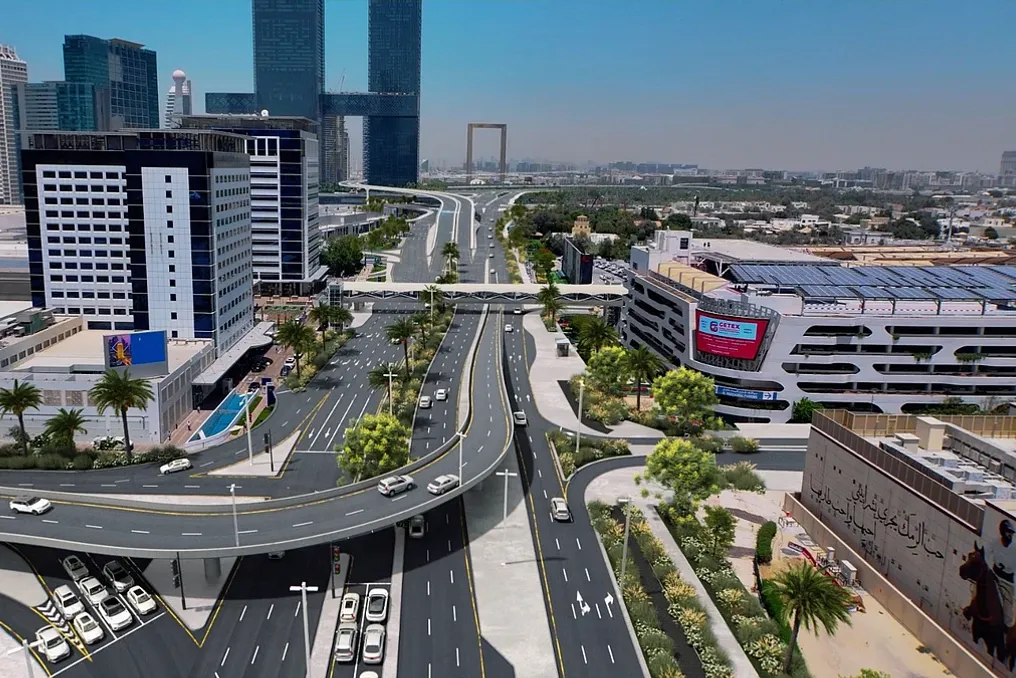
As announced by the Roads and Transport Authority (RTA) on Thursday, this two-lane, 500-meter bridge will serve traffic moving from the Dubai World Trade Centre and One Central towards the intersection of Al Mustaqbal Street and Zaabil Palace.
This bridge is part of a larger Al Mustaqbal Street development project valued at 633 million dirhams. This large-scale road infrastructure modernization project will ultimately increase the street's capacity by 33 percent.
After the entire project is completed, Al Mustaqbal Street will be able to handle 8,800 vehicles per hour in both directions, up from the current 6,600. Travel time along this corridor is also expected to decrease from 13 to six minutes.
The opening of the bridge on Friday aims to improve traffic flow around the Dubai World Trade Centre, where a large number of vehicles arrive during major exhibitions and conferences. The new route will provide drivers exiting the Dubai World Trade Centre and One Central with direct access to Al Mustaqbal Street and Zaabil Palace Street.
The overall 3.5 km Al Mustaqbal Street project, running from Financial Centre Street to Zaabil Palace Street, includes widening the road from three to four lanes in each direction, as well as constructing approximately 2 km of bridges and tunnels. Furthermore, the development will ensure seamless connections at the intersections of Al Mustaqbal Street with Expo Street and Trade Centre Street.
According to RTA, this project will benefit approximately half a million residents and visitors, and it will improve access to the Dubai World Trade Centre, Dubai International Financial Centre (DIFC), Zaabil, Downtown Dubai, and Business Bay.
Further changes are planned for drivers using the busy corridor. Three tunnels totaling 1,500 meters are being built at the intersection of Al Mustaqbal Street and Trade Centre Street, scheduled to open in February 2027. The largest of these is a three-lane tunnel on Al Mustaqbal Street towards Deira, designed for 4,500 vehicles per hour. The second, two-lane tunnel will allow left turns from Al Mustaqbal Street towards Trade Centre Street, serving traffic heading to both Deira and Jebel Ali, with a capacity of 3,000 vehicles per hour in both directions. The third, single-lane tunnel, will serve One Central and accommodate up to 1,500 vehicles per hour.
The project also includes a new pedestrian bridge on Al Sukuk Street, improved pedestrian walkways, a bicycle lane, and the modernization of existing intersections.
Muttar Al Tayer, CEO and Chairman of the RTA Executive Council, stated that work on the Al Mustaqbal Street project has reached 50 percent completion and is progressing ahead of schedule. This work is being carried out in parallel with the World Trade Centre ring interchange development project, where construction has exceeded 85 percent.
RTA plans to open another bridge by the end of August for traffic moving from Sheikh Rashid Highway towards December 2nd Street. The final bridge in this project is slated to open in October and will serve drivers traveling from Al Majlis Street towards December 2nd Street.
The World Trade Centre ring interchange project will ultimately include five bridges totaling 5 km and will transform the existing roundabout into an at-grade intersection.
Another major road project in the area is the Oud Metha and Al Asail Street development project, which will fully open by the end of August. It includes four main intersections, 4.3 km of bridges, and 14 km of roads. This project is expected to reduce travel time from 20 to 10 minutes and serve areas with a projected population of over 420,000 by 2030.
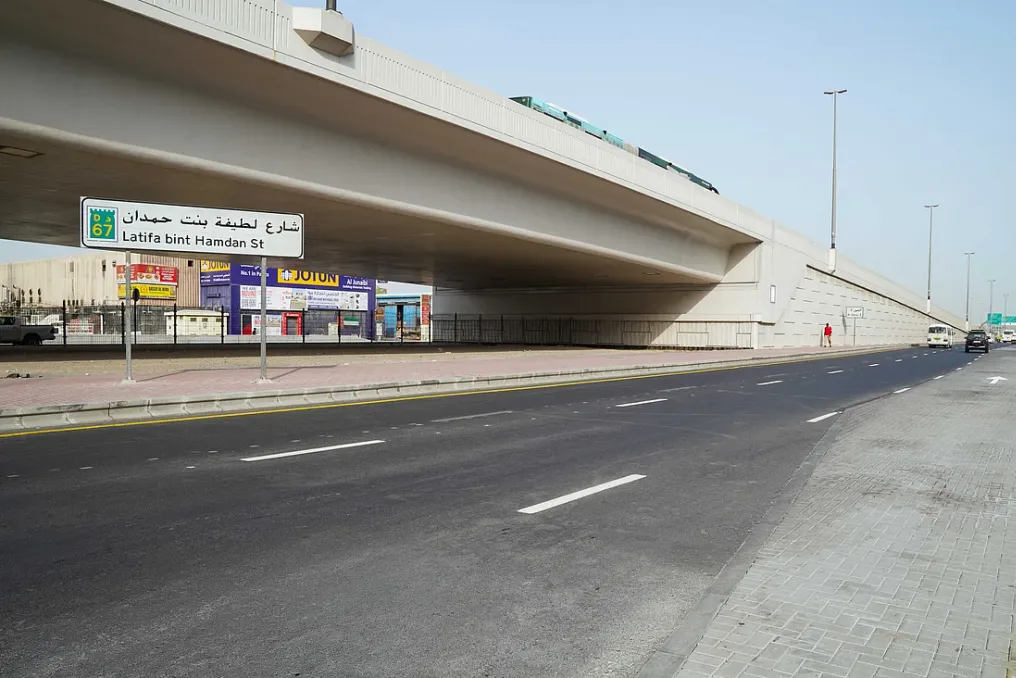
Drivers traveling through the Al Quoz area can now expect smoother journeys thanks to the opening of a new lane and two U-turns on Latifa Bint Hamdan Street. The Dubai Roads and Transport Authority announced on Tuesday that these improvements helped reduce peak hour congestion and vehicle queues by up to 30%.
Furthermore, the capacity of the service road was increased from 600 to 1000 vehicles per hour. The project included adding a new lane on the service road in two sections totaling 1000 meters. The first section is located between the intersection of Al Asayel Street and Street 44, and the second extends from the National Cement Factory to the exit onto First Al Hail Street.
The Roads and Transport Authority also constructed two new U-turns at the intersection of Latifa Bint Hamdan Street and Al Asayel Street. According to the authority's statement, these U-turns contributed to reducing queues and improving traffic flow during busy hours.
These changes are part of the Roads and Transport Authority's efforts to implement quick solutions for traffic regulation in high-traffic areas. The authority emphasized that such projects are based on traffic analysis and the use of advanced technologies. The goal of the work is to increase road capacity, improve operational efficiency, and ensure smoother movement, aligning with Dubai's ongoing development and population growth.
Latifa Bint Hamdan Street is one of Dubai's main transport arteries, serving residential, commercial, and industrial zones. It connects to major roads such as Al Hail Road and Al Asayel Street, making it an important route for travel between different parts of the emirate.
The latest improvements are being made ahead of a larger AED 2 billion development project along Latifa Bint Hamdan Street. This 12-kilometer project will create a new strategic transport corridor connecting Sheikh Zayed Road with Emirates Road. The route will pass through Al Hail Road, Al Meydan Street, Sheikh Mohammed bin Zayed Road, and Sheikh Zayed Bin Hamdan Al Nahyan Street. It will include seven bridges totaling 2300 meters and eight tunnels covering 900 meters.
Previously, the Roads and Transport Authority completed another traffic improvement at the intersection of Latifa Bint Hamdan Street and Nad Al Sheba Street. This intersection was converted into a roundabout with one lane in each direction, which allowed for a reduction in peak hour delays by up to 50% and improved road safety.