A picture has emerged from the Chandrapur district of Maharashtra that contradicts government statements regarding the education and safety of indigenous residents. Thousands of tribal children in government and subsidized ashramashalas are forced to sleep on the ground, using mattresses and mats.
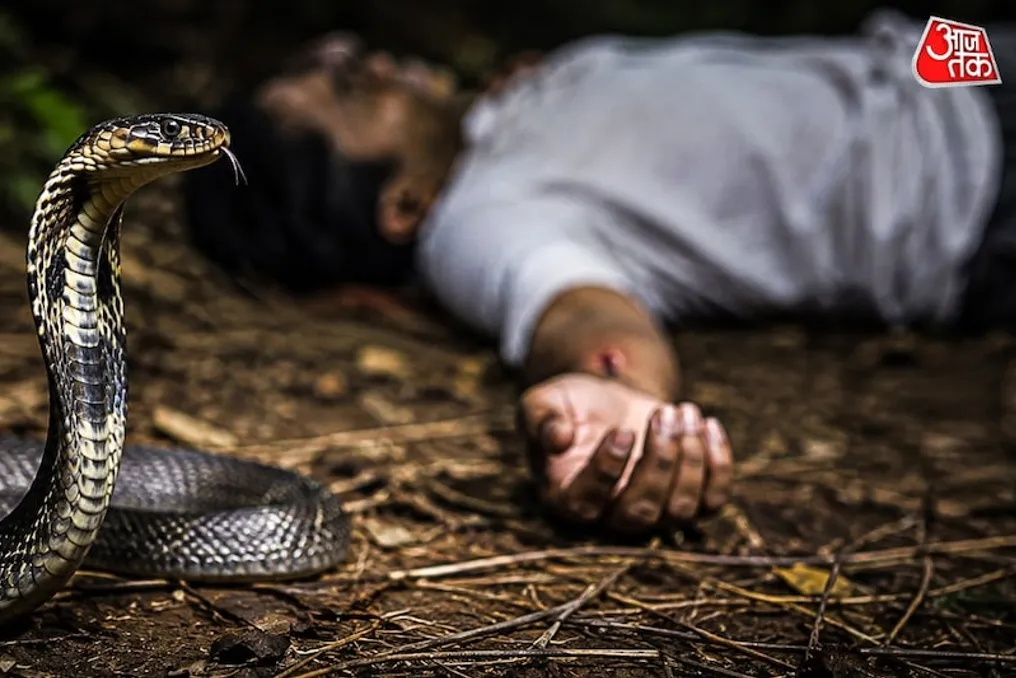
Some students study in sheds made of sheet metal and sleep in the same places at night. Others reside in small rooms accommodating up to 45 girls. The situation is so alarming that female students have to stuff gaps in doors with clothes to protect themselves from snakes and scorpions.
The main question arises: why, when approximately 99 crore rupees are spent annually on the maintenance of these ashramashalas, cannot the tribal children be provided with a safe roof, adequate housing, or even a simple bed space?
There are a total of 32 ashramashalas operating in the Chandrapur district—both government and privately subsidized. Approximately 8,786 students study there. It is shocking that only 344 students have access to beds, while 8,442 students do not. The rest are forced to spend the nights on the ground, covered by mattresses or mats.
Out of 24 subsidized ashramashalas, where 6,672 students are located, 6,552 are forced to sleep on the floor. In eight government ashramashalas, where 2,114 people study, about 1,890 lack beds.
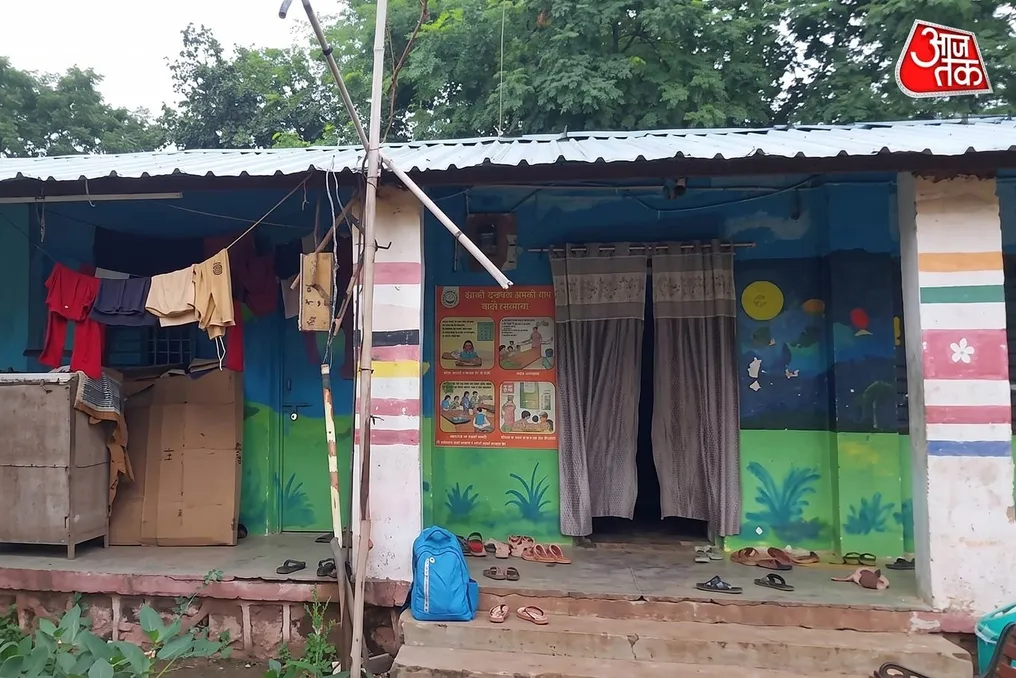
The team from ajatak.in visited a government ashramashala in the village of Borda and assessed the actual state of affairs. Children from the first to the fourth grade sleep on mattresses in the same classrooms where lessons take place during the day, and these classrooms are located in sheet metal sheds.
For students from the fifth to the twelfth grade, accommodation is also provided in rooms built within sheds. The most critical situation is observed in one small room where about 45 girls sleep on mattresses. The students fear snakes or scorpions entering through gaps in the doors, so they cover these gaps with fabric before sleeping. Students note that in the small room where 45 children sleep, discomfort occurs, and they cannot turn over normally.
The Ashramashala in Borda has been operating since 1982, and the conditions remain unchanged after decades. Although construction of a new building has begun, it is planned to accommodate only 217 girls, whereas the total number of students in the school is about 470. This calls into question housing for the remaining students. Furthermore, piles of dirt and garbage are visible on the school grounds.
Despite this, the students expressed satisfaction with the provision of food, water, and teachers. The situation in government ashramashalas appears even worse than in subsidized ones. Many ashramashalas are located near forests, and many places lack permanent buildings and sufficient dormitories. Dormitories made of sheds often lack windows, forcing students to live under the threat of heat, rain, cold, and venomous animals.
Cases of three students dying from snake bites have been recorded in an ashramashala in the Gadchiroli district, raising serious questions about the safety system in ashramashalas. About 343 students reside in the Patan ashramashala, but only 100 mattresses are available, meaning many have to sleep two or three to a mattress.
In the Subbai subsidized ashramashala, 466 students reside, but there are only 76 beds. In the Hari ashramashala in Patan, only 50 beds are available for 375 students. In the Maregaon government ashramashala, 150 beds are provided for 313 students, and in Mangi, only 63 beds are available for 188 students. The overall accommodation capacity in these places is extremely small, making it impossible to provide beds for all students.
According to government norms, obtaining permission to operate an ashramashala requires basic amenities such as a permanent building and separate, well-equipped dormitories for boys and girls, including beds. However, the reality in the Chandrapur district completely contradicts these requirements and rules. The question arises: on what basis have these ashramashalas been functioning for years if these amenities are mandatory?
It is reported that regular inspections of the ashramashalas are conducted by employees of the Tribal Development Department. External officials also carry out annual inspections. Nevertheless, it remains unclear why the problem of lacking basic amenities, which has existed for decades, has not yet been resolved.