Five months after the Iran conflict sparked concerns about oil-driven inflation and economic slowdown, Indian officials are showing greater confidence as the worst of these fears have yet to materialize. Data released on Wednesday showed that inflation rose slightly last month but remained within the Reserve Bank's acceptable range of 2%–6%.
Consumer demand is also remaining high: car sales reached record levels, credit growth hit a two-year high, and GST collections increased in double digits. This resilience is a pleasant surprise for an economy that seemed particularly vulnerable to the oil price spike triggered by the conflict.
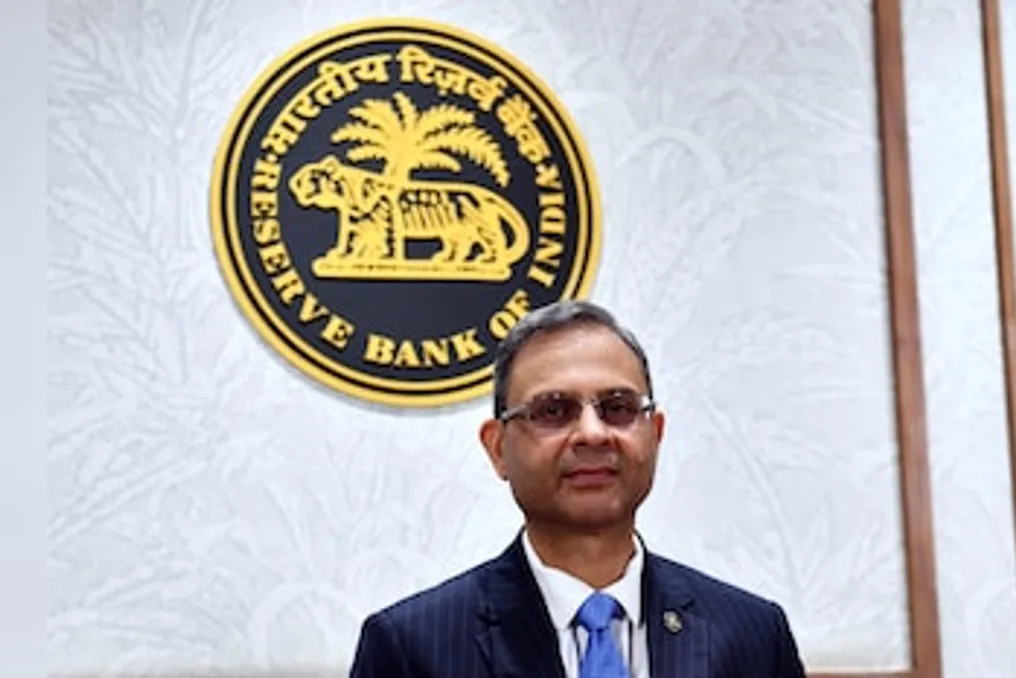
Although questions remain about the long-term sustainability of growth—and monthly figures may be volatile—the overall outlook has become less alarming than in March. Reserve Bank Governor Sanjay Malhotra noted this shift this week, citing sustained growth, inflation 'more or less under control,' healthy corporate balance sheets, and a 'strong' external sector as reasons for the confidence.
India's Experience in Crises
Malhotra stated at a banking conference in Mumbai that what is striking and important is that India emerges from any crisis 'much stronger.' Most economists expect RBI policymakers to keep interest rates unchanged at 5.25% this year, despite projected inflation before the festive season when spending usually increases.
Soumya Kanti Ghosh, Chief Economic Advisor to the State Bank of India, predicts that 'festive season demand this year will be resilient.' He added that 'as long as consumption is not debt-financed, RBI will not want to spoil this momentum.' Ghosh is also a member of the Prime Minister's Economic Advisory Council.
One factor contributing to the more positive picture was the large-scale tax reform in India last year, which lowered prices across the board—from cars and home appliances to daily necessities—freeing up disposable income, according to economists.
Optimism was also evident in the latest quarterly reports. Hindustan Unilever, India's largest consumer goods manufacturer, reported that fears about the 'impact of inflation' on demand did not materialize, while Britannia Industries described the environment as 'strong.' Mahindra & Mahindra reported a 'very strong demand momentum' in both urban and rural markets, with recent price hikes having a negligible impact, and TVS Motor pointed to sustained spending in rural and semi-urban areas.
As India enters the festive season, culminating in Diwali—the Hindu festival of lights—companies are building up inventories, increasing production, and hiring temporary workers in anticipation of rising demand. Debopam Choudhury, Chief Economist at Piramal Group, considers it unlikely that the RBI will disrupt the festive consumption momentum, noting that historically the RBI rarely raises rates between October and December, preferring to avoid measures that could dampen consumer demand during peak discretionary spending.
Potential Risks
Nevertheless, threats remain. Uncertainty related to the war has not disappeared. Renewed tensions in the Middle East have pushed oil prices back to around $90 per barrel, which is worrying for India, which imports nearly 90% of its crude oil. A weaker rupee, one of Asia's weakest currencies, could intensify this pressure, making imports more expensive.
Additional risks stem from abroad: the US Federal Reserve is discussing whether to raise borrowing costs at its September 15–16 meeting. The Bank of Japan is also considering further hikes to curb inflation. Most other Asian countries have already tightened policy, while India remains an exception. Garima Kapoor, an economist at Elara Global Research, forecasts an unchanged monetary stance until December, arguing that 'the future monetary policy trajectory in developed markets, especially from the Federal Reserve and the Bank of Japan, may constrain RBI policy flexibility.' Their actions could potentially force the RBI to 'raise rates to maintain the interest rate differential.'