Detecting small commercial drones crossing national borders at night presents a complex challenge. Such devices are too small for most radars, too inexpensive to warrant missile use, and can carry various payloads. A practical solution has proven to be not destroying them, but disrupting their communication by disabling satellite navigation and control signals, causing the drone to land, return, or crash.
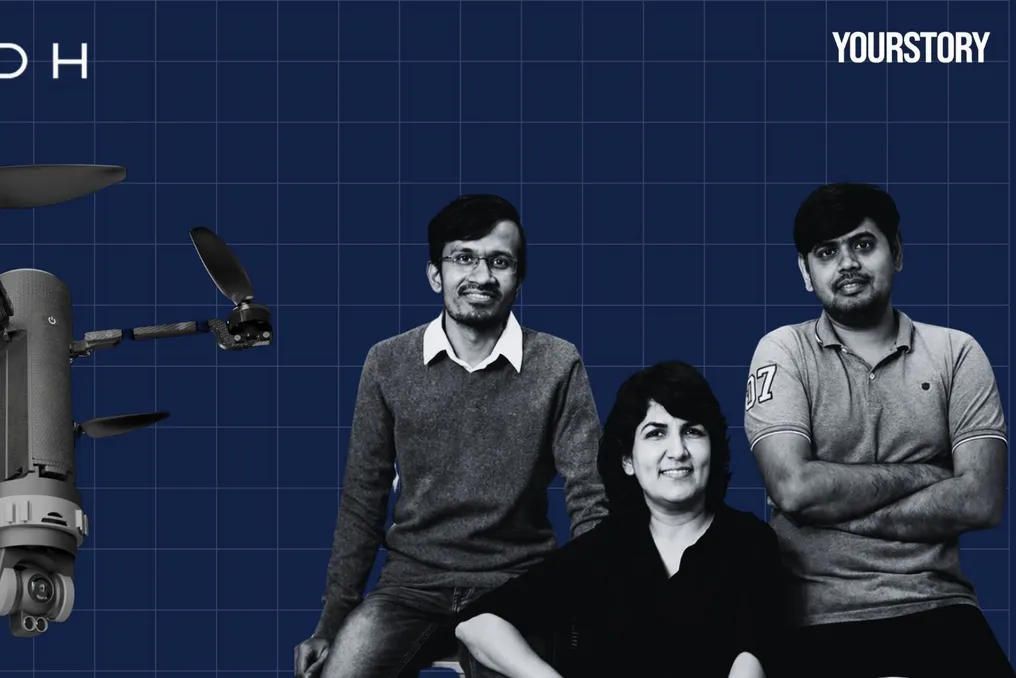
Gurutvaa Systems is developing such equipment. Founded in Pune in September 2014 by Harshad Dave and Sonika Sehra, the company specializes in creating high-precision electronic systems, including inertial sensors, radio frequency components, radars, and automated testing equipment, alongside its line of anti-drone countermeasures for which it is known.
The company's main goal is to replace imported technologies. It positions itself as a developer and integrator of technology in India, striving to maximize the content of Indian components in supplied systems, especially in the field of defense electronics.
Work on counter-drone measures became extremely relevant for India after a series of incidents on the northern borders, where small aircraft intercepted while carrying payloads. Since systems to combat this threat were previously mainly imported, the government has since encouraged procurement from local Indian suppliers.
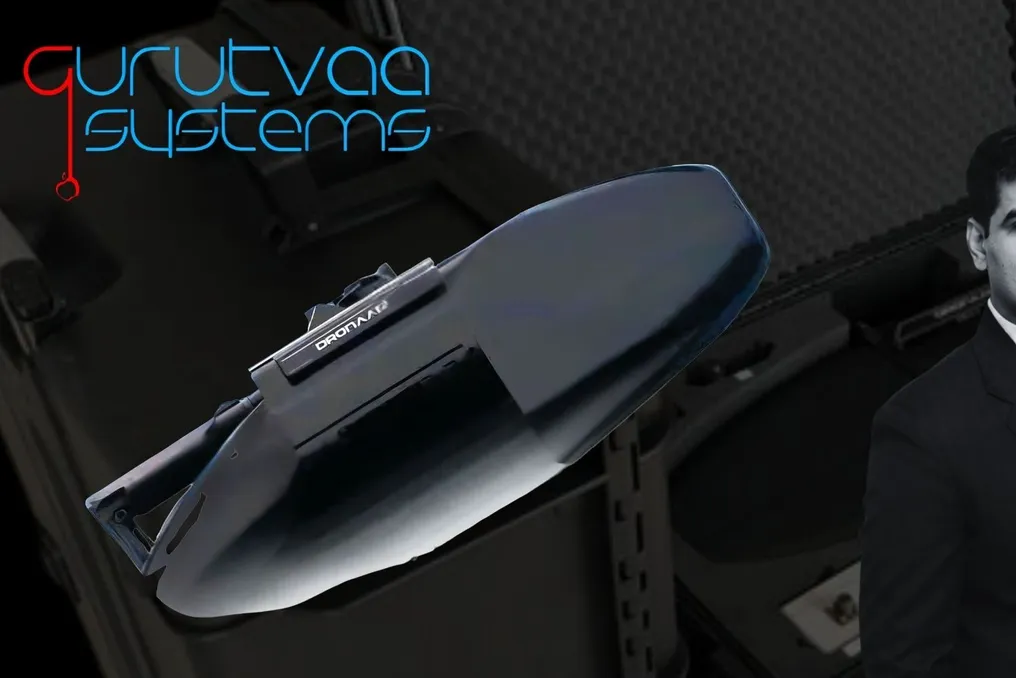
The product is called DRONAAM. The company describes it as a modular air defense system that can be configured as a handheld rifle, a backpack-worn device, or mounted on a stationary or mobile mount, providing coverage in one or full direction.
The system functions by disruption rather than destruction. According to the company, it jams satellite navigation, as well as control, video, and telemetry channels upon which the commercial drone depends, which is described as 'soft kill': the drone is rendered inoperable without the use of firepower.
The Indian Air Force ordered this system in August 2021. Gurutvaa reported that development, prototype creation, customer approval, and the first production batch were completed within eight months. The company's Vice President informed a defense publication in November 2022 that mass deliveries began after the Air Force team approved the production batch at the Pune facility.
Personnel training was also conducted. In 2022, the company stated that it had trained over 200 armed forces personnel in the operation and maintenance of DRONAAM, which is critical for a soldier-portable system.
According to the company's own data, DRONAAM devices were used in the Delhi area during the G20 summit in 2023, at the Bharat Mandapam, Pragati Maidan, Raj Ghat, and Akshardham venues.
The clearest external assessment came from the government. During the 60th anniversary of the Border Security Force in Jodhpur, Home Minister Amit Shah stated that the deployment of anti-drone systems increased the neutralization rate of incoming drones in the Punjab sector from 3% to 55%, naming DRONAAM as one of the responsible systems.
The company's business segment is small and growing. According to corporate reports, revenue for the year ending March 2025 was 8.08 crore rupees, compared to 5.91 crore rupees the previous year, and as of April 2026, the staff numbered 26 employees. The company's databases list one institutional investor, whose amount is undisclosed.
The company is part of the defense innovation structure iDEX and was presented among Indian companies at Bharat Innovates in Nice in June 2026, where it demonstrated a fully owned portfolio of anti-drone countermeasures patents and announced a search for procurement and integration partners. Its competitors in this segment include large public Indian defense electronics firms, as well as international drone countermeasures specialists.