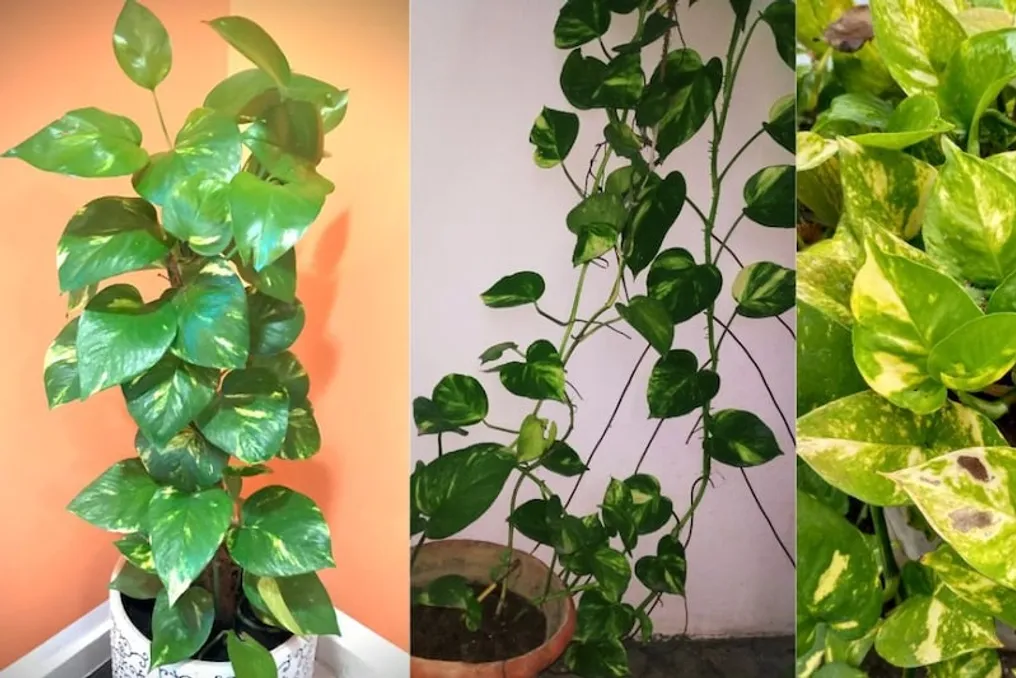
According to the principles of Vastu Shastra, plants play an important role in a person's life, influencing their energy and financial situation. Many homeowners use the Money Plant to attract prosperity and the goddess Lakshmi, as it is believed to open new sources of positive energy and income.
However, ignoring Vastu rules or having too many money plants can lead not to benefits, but to significant losses. Therefore, it is crucial to know the relevant rules if this type of plant is in the house.
According to Vastu Shastra, the quantity and placement of plants directly affect destiny. It is not recommended to keep too many or chaotically arranged pots of money plants in the house; usually, one or two healthy specimens are sufficient, as excess can disrupt the home's energy balance.
From a Vastu perspective, the money plant should be placed exclusively in the southeast sector (Agni Kona), which is the abode of the god Ganesha and symbolizes the planet Venus, responsible for prosperity. A plant placed in this zone prevents financial difficulties.
It is necessary to avoid placing the Money Plant in the northeast sector (Ishan Kona), as this is considered inauspicious and may lead to financial loss.
Firstly, as a vine, the Money Plant tends to grow upwards. Vastu requires that the plant's stem never touches the ground; it should be supported with a string or stake, directing growth upwards. The drooping of shoots downwards is interpreted as a sign of stalled progress and financial losses.
Secondly, if the leaves of the plant begin to yellow, wilt, or rot, it is considered an ill omen. Dry leaves should be removed immediately, as a withered flower attracts negative energy into the home.
Thirdly, it is believed that the Money Plant is associated with the planets Venus and Mercury. Giving away your healthy plant or part of it to other people can negatively affect your family's financial situation.
Fourthly, when using glass bottles to keep the plant in water, clear glass should be chosen and the water should be changed regularly, as stagnant or dirty water spreads negativity.
Finally, the plant should not be placed directly in front of the main entrance of the house, despite the popularity of this decorative choice. According to Vastu, it should be kept inside the premises in a place where it is not visible to outsiders.