As part of the 'Safe and Healthy Country' operational and preventive measures, employees of the State Security Service, together with the Department for Combating Economic Crimes, conducted an unscheduled inspection in the city of Navoi.
As part of the 'Safe and Healthy Country' operational and preventive measures, employees of the State Security Service, together with the Department for Combating Economic Crimes, conducted an unscheduled inspection in the city of Navoi.
During this operational action, illegal gold trading was stopped, the total value of which amounted to 340 million sum.
In six months, Uzbekistan exported leather to 57 countries worth $60 million. According to data from the National Statistical Committee, from January to June 2026, the country exported leather totaling $60 million to 57 countries.
The export volume exceeded 704.5 tons compared to the same period last year. The main buyers of Uzbek leather were Kazakhstan, China, Russia, Turkey, and Iran.
The country holds a significant position in the global leather market and is among the major exporters. According to the UN Comtrade database, in 2024, Uzbekistan exported 53 thousand tons of leather, ranking seventh in the world for the export of this product.
In the same year, Turkey was the leader in leather exports with a figure of 205.9 thousand tons. Following it, Iran took the next position with 81.7 thousand tons, China with 76.4 thousand tons, Chile with 59.1 thousand tons, India with 55.6 thousand tons, and the USA with 53.7 thousand tons.
In the new Uzbekistan, attention to entrepreneurship is becoming one of the most effective factors not only for economic growth but also for ensuring the well-being of the population, reducing poverty, and stably increasing family incomes. The 'Every Family is an Entrepreneur' program, implemented at the initiative of the President, provides thousands of citizens with the opportunity to start their own businesses, live a decent life through labor, and create new jobs. It is important to note that this program strengthens the spirit of entrepreneurship, diligence, and business, lifting people out of dependency.
Among those who achieve significant results by utilizing opportunities created by the state in various regions of the country is the entrepreneur Anvar Bekboev. He lives in Polvonobod village, Pakhtobod settlement, Shofirkon district, Bukhara province. His life journey serves as a vivid example of how high results can be achieved when state support aligns with personal aspirations.
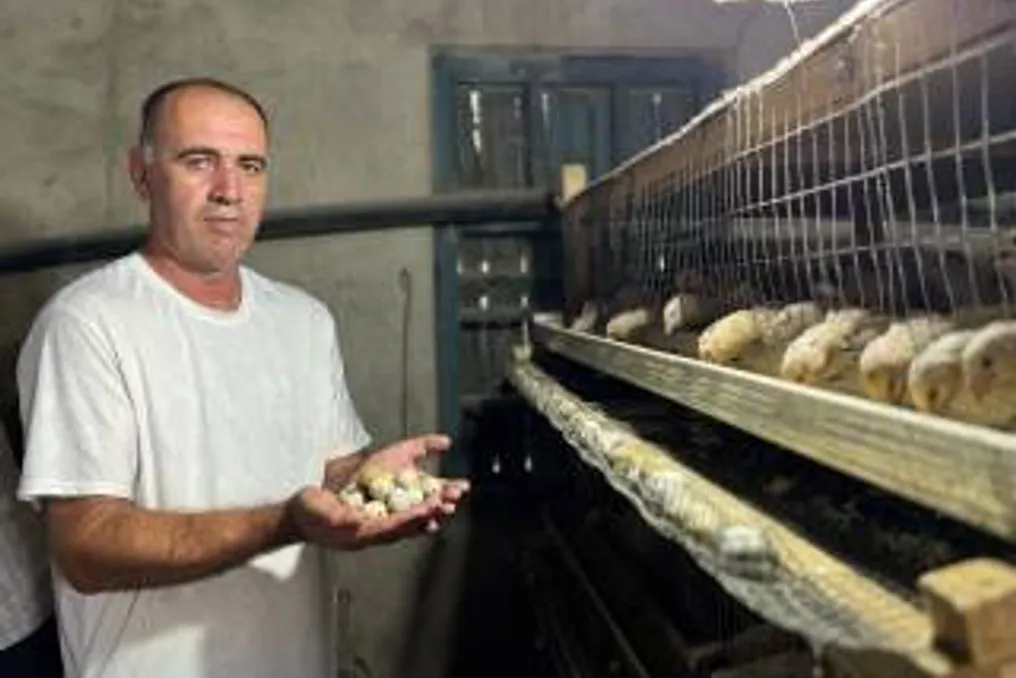
As part of the state program 'Every Family is an Entrepreneur,' entrepreneur Anvar Bekboev started his business using a preferential loan of 50 million sums. This initial step has turned into a primary and stable source of income for his family.
Currently, the farm maintains 3, 20, and 40-day-old chicks, which are raised using modern technologies. Thanks to special attention to feeding conditions, sanitary requirements, and poultry husbandry processes, productivity has reached high levels. On average, the farm collects 500 eggs daily.
Each egg, which is in high demand in the domestic market, is sold for 500 sums, providing a regular income. However, the entrepreneur did not limit himself to just raising eggs; he advanced his products further down the value chain. Eggs are incubated in modern incubators for 16 days, after which about 250 chicks are produced in each cycle. Chicks are also in demand in the market, forming an additional source of income.
Furthermore, poultry meat, recognized as a dietary and medicinal product, is of great interest to consumers. Each bird raised on the farm sells for an average of 80 thousand sums, and market demand continues to grow.
Most notably, the preferential loan of 50 million sums has today transformed into a profitable business, bringing the family an average net income of 10 million sums per month. These figures convincingly demonstrate that high economic efficiency can be quickly achieved by rationally and purposefully utilizing the opportunities provided by the state.
Upon meeting with the entrepreneur's activities, specialists provided practical recommendations regarding expanding production capacity, increasing product volume, more effective use of modern incubator equipment, creating new jobs, processing products, and actively using additional financial support mechanisms offered by the state.
The reforms being carried out under the President's leadership, aimed at reducing poverty, ensuring employment, and creating sources of income for every family, are finding practical confirmation in such life examples today. Entrepreneurship has ceased to be just a business; it has become a reliable pillar of family well-being, community development, and the country's economy.
It is encouraging that the number of such projects implemented under the 'Every Family is an Entrepreneur' program in the Shofirkon district is growing year by year. This contributes to reducing unemployment in settlements, ensuring population employment, strengthening family economic stability, and further developing the entrepreneurial environment.
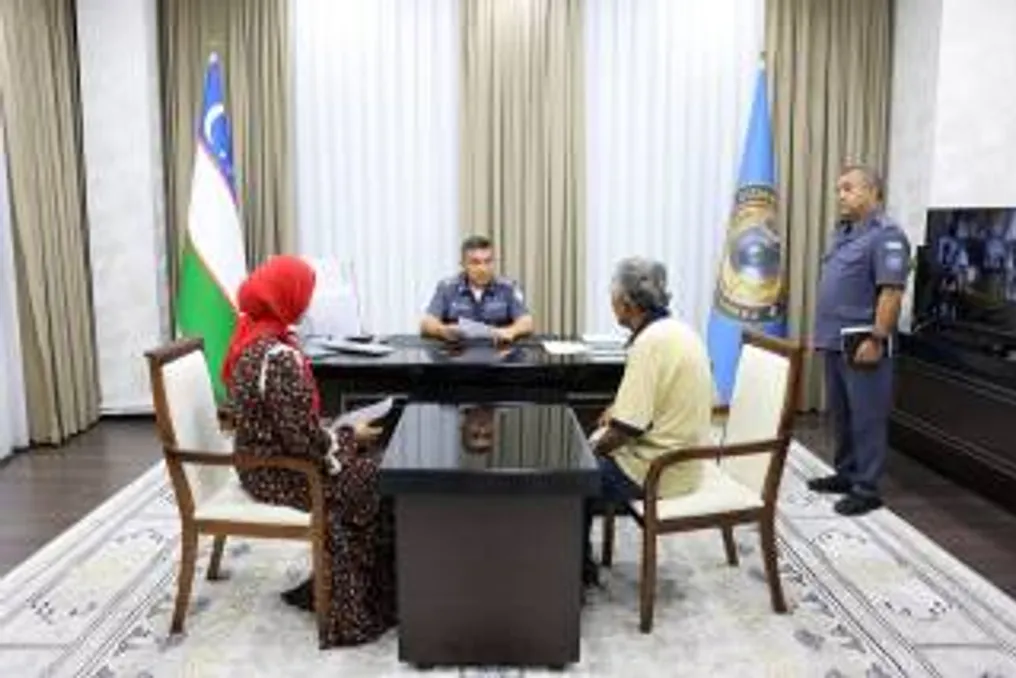
To listen to citizens' appeals, find solutions to their concerns, and strengthen open dialogue between the population and government bodies, internal affairs bodies regularly organize outreach reception points.
Such meetings contribute to a comprehensive study of every appeal received from the public, the protection of legitimate interests, and the resolution of existing issues in the shortest possible time.
The last such event took place under the leadership of the Minister of Internal Affairs, Lieutenant General Aziz Toshpulatov. Deputy ministers, heads of sectoral services, and responsible employees participated. Special attention was paid to reviewing appeals from individuals and legal entities, determining practical measures, and finding clear legal solutions for each issue.
The outreach reception point was organized in a convenient format for citizens. Residents of Tashkent city and Tashkent region could meet with the leadership in person. Citizens residing in the Karakalpakstan Republic and other regions were able to participate in the reception via video conferencing to directly state their problems.
A total of 526 appeals were registered during the event. Of these, 320, or 61%, were resolved positively during the reception. The remaining 206 appeals were sent to relevant sectoral services for further study, as they required additional checks.
In receptions organized by the leaders of the internal affairs bodies of the Karakalpakstan Republic, Tashkent city, and regions, another 440 appeals were accepted. In 211 cases, they were resolved, and for 229 appeals, measures were taken to conduct an additional check and legal assessment.