Dr. Talang Mofokeng concluded her mission at the UN on July 31st by presenting a final report that highlights reproductive genocide as a serious public health issue. This report was published under the title 'Medicine Collection: The Subtext of Reproductive Genocide – A Public Health Crisis.'
Over six years, Dr. Mofokeng focused her attention on the genocides of Palestinian and Sudanese peoples. She firmly states that Israel intentionally undermines Palestinians' ability to have children and receive medical care through attacks on hospitals, doctors, and patients. Regarding Sudan, the report calls for an immediate ceasefire, protection of medical personnel and facilities, and the prosecution of those responsible.
Despite the significant contribution of this powerful report to the work of human rights activists and scientists, the local newspaper SAJR previously attempted to cast negative light on her departure, focusing on her personal life. Specifically, Ttali Feinberg reported on a complaint from UN Watch—an NGO that Spinwatch confirmed as a cover for the Israeli government.
This complaint concerned Dr. Mofokeng agreeing to run as the EFF candidate for the mayor of Johannesburg in the November 2026 elections. The accusations alleged that she violated her role as UN Special Rapporteur on the right to health because she supposedly incorrectly stated that her mandate was valid until August 2026, thereby questioning her impartiality.
Previously, UN Watch prompted its ally SAZF to file a complaint with the HPCSA. They claimed that Dr. Mofokeng was found guilty of misconduct due to social media comments regarding the Israeli Prime Minister and a UN Watch employee. The SAZF press release, titled 'HPCSA Punishes UN Special Rapporteur Dr. Talang Mofokeng for Unprofessional Conduct,' was uncritically repeated by Sunday World on October 29, 2025, without giving her a chance to respond. Most observers consider this a political attack lacking jurisdiction, as she did not practice medicine and enjoyed UN immunity. She is challenging this decision in the High Court.
Medicine Collection Released
However, all these disputes are now irrelevant. The so-called NGO possesses the resources and energy to divert attention. The Special Rapporteur on Health's report details all her previous reports, comprising these 22 pages. Her perspective, as explained in this comprehensive collection, applies an anti-racist and anti-colonial approach to demonstrate how deeply gendered the violation of health rights is. She asserts that 'structural racism, colonialism, and gender discrimination function as determinants of health inequality,' meaning these forces directly cause unfair health outcomes. Her goal is to 'promote the exchange of new knowledge,' linking the right to health with broader systems of oppression.
The report upholds international law—a system despised by Global Right. For instance, the US government is attempting to dismantle the ICC to shield Benjamin Netanyahu from prosecution. Videos published after the death of Senator Lindsey Graham (July 2026) show him gathering party support for this purpose in the interest of Israel.
This 22-page report is essential reading and addresses the failures of international law and institutions in protecting the right to health. In conclusion, she states that 'attacking health (in Gaza, Sudan, or anywhere else) violates these laws—and there must be consequences.' She reminds that such attacks continue despite UN Security Council Resolution 2286, which condemns attacks on health and calls for an end to impunity, stating that parties must comply with International Humanitarian Law, respect civilian life, ensure accountability, and eradicate the culture of impunity (2024).
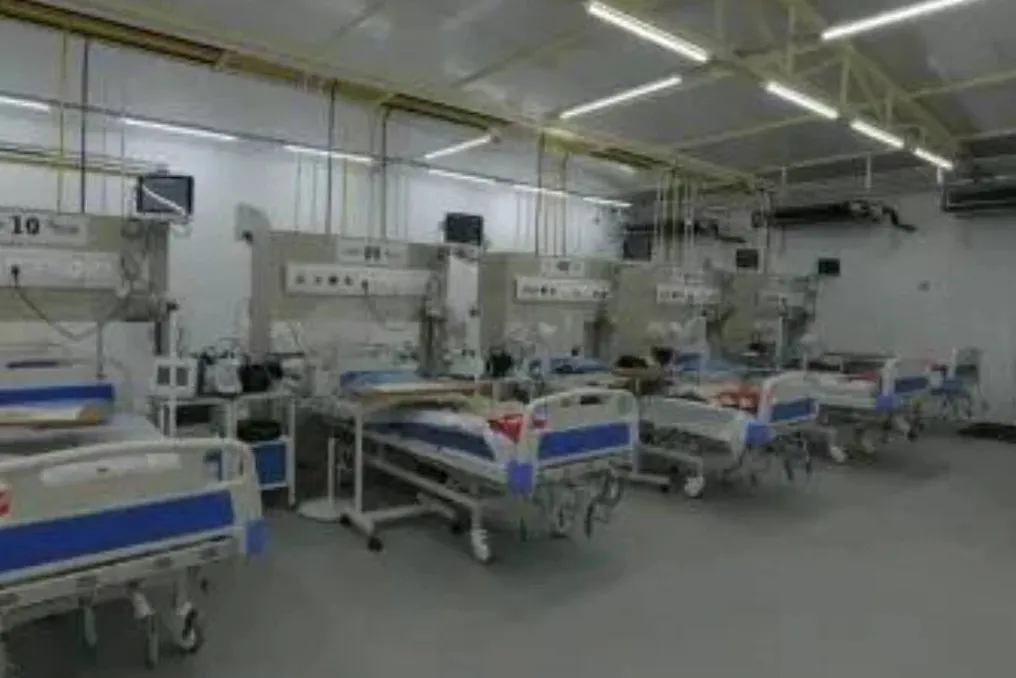
Her contribution to health studies is built around the concept of 'medicide,' which simply represents the genocide of medical personnel, systems, and infrastructure. The report details the intentional and systematic targeting of hospitals, healthcare workers, and patients by both state and non-state actors. This concept positions healthcare workers as frontline defenders of the right to health and life, as well as significant participants in preventing genocide. Furthermore, it helps explain how people's health and lives are systematically destroyed in ways that may constitute war crimes or crimes against humanity. This occurs despite the Genocide Convention (1948), specifically Article II(c), where the destruction of health contributes to the destruction of a group, which can serve as evidence of genocidal intent.
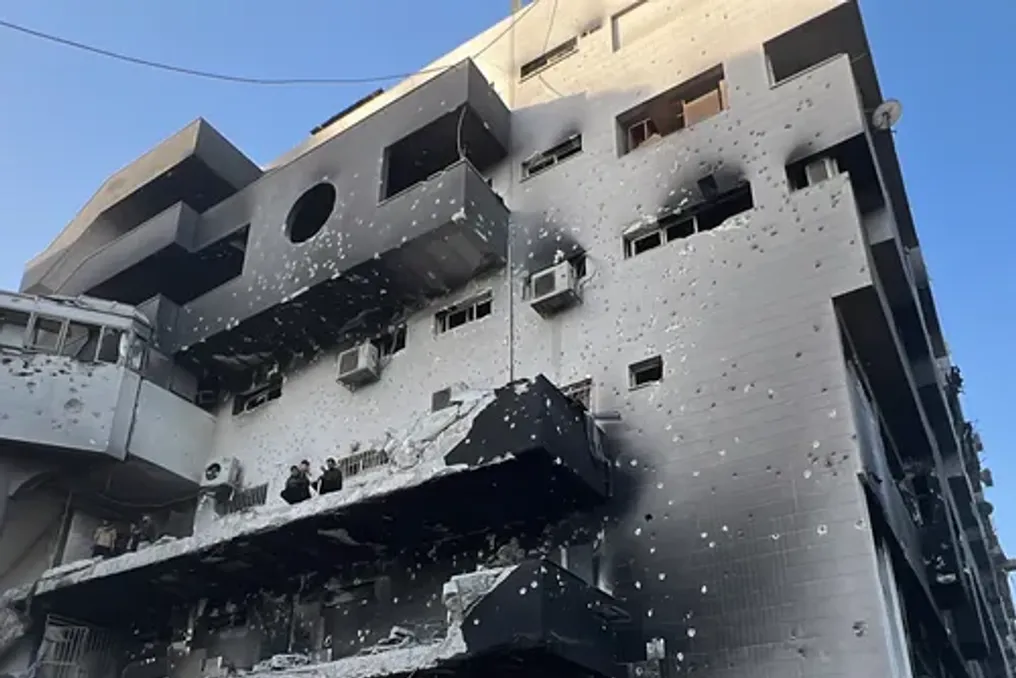
International justice, as well as documentation—as she does—is useful for investigating these claims, documenting unprecedented attacks on the right to health in the conflicts she identified in Gaza/occupied Palestinian territory, the Democratic Republic of Congo, Haiti, and Sudan. The forms of attack are well known: bombings, looting, occupation, and vandalism of medical facilities; persecution, kidnapping, injury, and killing of healthcare workers; and the destruction of humanitarian organizations, including NGOs.
Regarding the humanitarian crisis in Sudan, which cannot be ignored, Dr. Mofokeng reports that more than half the population suffers from acute food shortages. Over 12 million people have been displaced, and healthcare is largely destroyed. Sexual violence is widespread—particularly widespread rape and exploitation during attacks—amidst a lack of medical care (destroyed and under-resourced), as well as strong social stigma for survivors. To keep society cohesive, local groups utilizing the tradition of nafeer provide food, medicine, and legal aid where institutions have collapsed. Despite all this, regular peace agreements seem unfounded in reality and incapable of ending the war against people, especially women.
When moving to discuss reproductive rights violations, it is important to note that this concept was refined based on the experience of horrific, degrading violations of women's rights in Sudan. She writes: 'The scale of sexual violence documented in Sudan is staggering. Sexual violence against women—including rape, gang rape, sexual exploitation, and abduction for sexual purposes, as well as allegations of forced marriage and human trafficking for sexual exploitation across borders—occurred mainly in the context of invasions of cities and villages, attacks on IDP camps or civilians fleeing conflict-affected areas, and during prolonged occupation of urban areas.'
Reproductive Rights Under Scrutiny
As a trained gynecologist and researcher, Dr. Talang Mofokeng defines reproductive genocide as deliberate policies and practices that:
- Target reproductive health, choice, and capacity
- Include mass detention, psychological warfare, collective punishment, ethnic cleansing, and sexual violence. Among the violence, the report notes 'body desecration (for living and dead),' hinting at how the Israeli regime treats the bodies of many deceased Palestinian activists without legitimate moral or just reason.
- Restrict access to healthcare by manipulating resources. They control the community's capacity for reproduction and sustaining future generations.
These findings are corroborated by other UN investigations, such as: the UN Special Committee (November 2024), which concluded that Israel's methods of warfare in Gaza meet the characteristics of genocide; the UN Commission of Inquiry (March 2025), which documented systematic sexual, reproductive, and gender-based violence alongside the deliberate destruction of health infrastructure.
WHO (UNFPA) estimated that 55,000 pregnant women in Gaza face severe hunger, malnutrition, and a complete lack of adequate maternal care. The opinion of the International Court of Justice (ICJ) highlighted violations including forced displacement, racial discrimination, and apartheid, as well as Palestine's denial of self-determination.
She bases this experience in Gaza and Sudan, yet SAJR ignores her full mandate simply because she demanded that the fugitive international law, Netanyahu, cease the genocide. The genocide did not concern this so-called NGO, but her condemnation of Netanyahu did. The Special Rapporteur does not apologize for the cases of Dr. Hussam Abu Safia, Dr. Adnan Al-Bursha, and other healthcare workers persecuted, kidnapped, and tortured by occupying forces—which, according to her, is part of the scheme to destroy the right to health in Gaza. The figures she documents do not disappear because the media has turned away from the genocide and land grab in Gaza and the West Bank. Dry facts remain proof of medicide: she writes that between October 7, 2023, and May 7, 2025, over 686 attacks on health were documented in Gaza, affecting 122 medical facilities and 180 ambulances. Her use of the Forensic Architecture's Genocide Mapping platform is very telling, as it is a fundamental reference for detailed documentation of genocide in Gaza.
In conclusion, she calls for a universal demand for a real and immediate cessation of hostilities (ceasefire) so that needy people can receive aid. It is important to note that no one should be allowed to attack hospitals, doctors, or nurses. Furthermore, people in Gaza who are suffering must not be denied the right to food, water, and medicine; this must be provided to everyone who needs it right now. Pregnant women, young mothers, and people with mental health issues require special care. In light of the revealed evidence, the report calls for independent investigators to be allowed into combat zones to document crimes.
She supports the importance of building and replacing destroyed facilities with permanent hospitals, creating temporary measures to ensure clean water and medicine, and sending medical specialists to conflict zones such as Sudan, Gaza, DRC, and Haiti. Finally, she calls for justice and reparations, stating: we must 'eliminate the global impact on health caused by the living legacy of racism, apartheid, slavery, colonialism, and oppressive structures through anti-colonialism and anti-racism.'