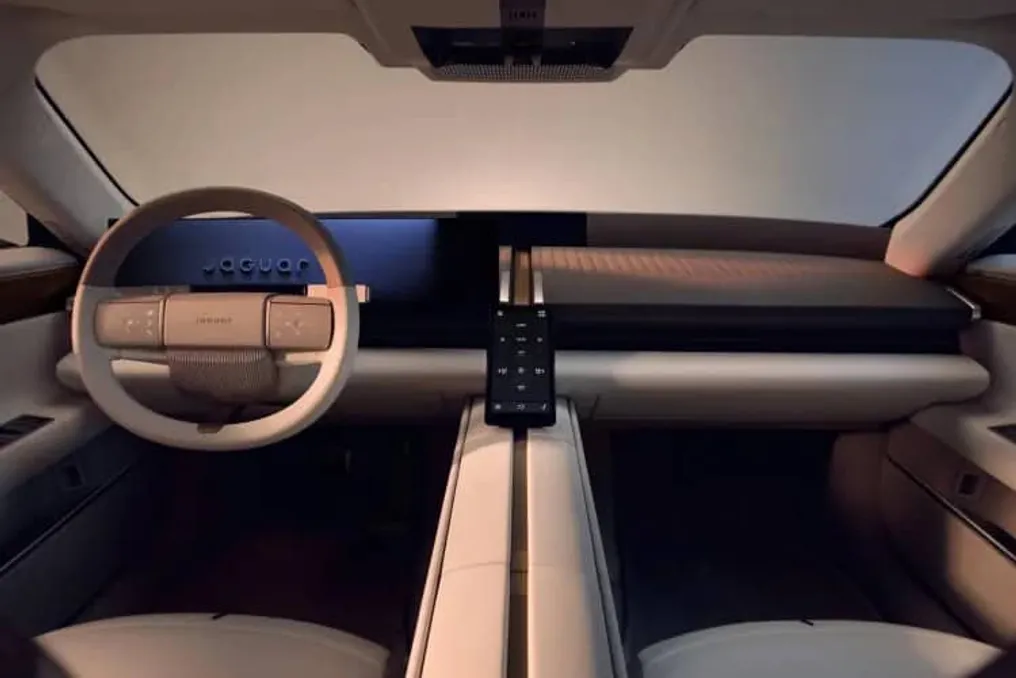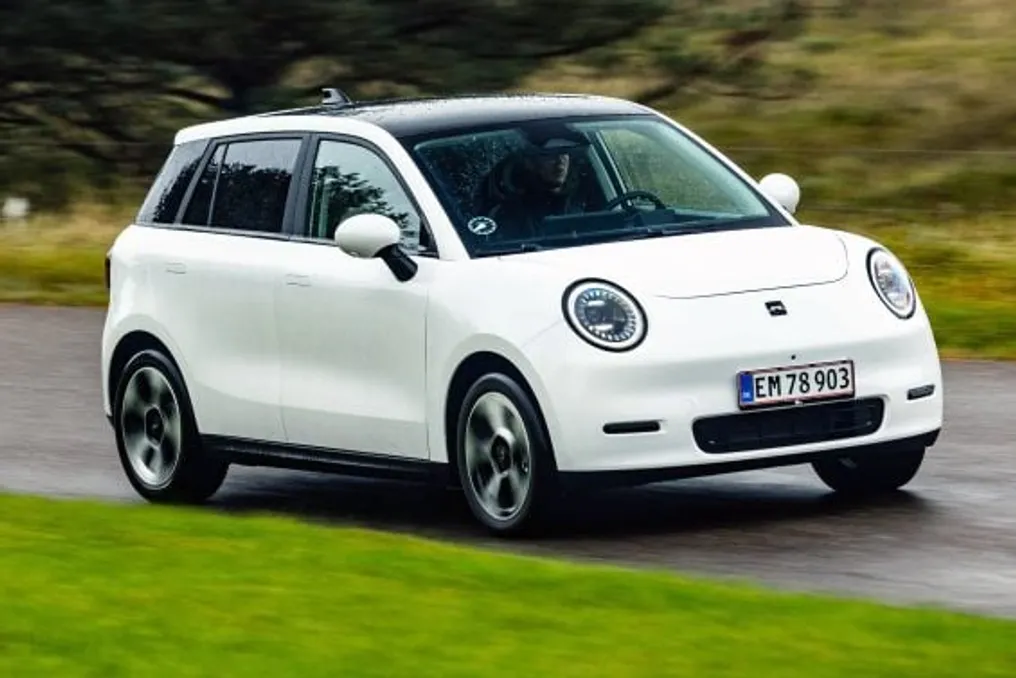
JAC Motors Brasil announced that the launch of its electric hatchback, the E-JS3, will no longer have a scheduled date for Brazil. According to Nicolas Habib, Vice President of Operations at JAC Motors Brasil, the major impact came from the movement of BYD and other Chinese brands.
Habib revealed in an exclusive interview with Motor1.com that the growing buzz generated by BYD and other Chinese competitors fueled discussions about the taxation of imported products, coinciding with the period when JAC was preparing the said hatchback for the national market.
Although the executive does not criticize the rival's commercial approach, he pointed out that the decisive factor was the scale of operation. BYD's rapid expansion turned its arrival into a notable event, placing Chinese vehicles under intense scrutiny and accelerating a reaction that was already forming in the sector, especially within Anfavea.
Habib acknowledges that JAC was aware that the tax exemption for electric vehicles would not be permanent, but expressed dissatisfaction with the speed of regulatory changes. Since July, imported electric cars have been subject to a 35% Import Tax, ending the gradual process of tax increases that began in 2024. For JAC, the moment the E-JS3 was supposed to be launched coincided with the entry of increasingly competitive rivals in the segment.
BYD introduced models such as the Dolphin in late 2023 and early 2024, when many available affordable electric vehicles were low-range subcompacts based on combustion engines or older models, such as the Nissan Leaf and the Chevrolet Bolt. The Chinese brand invested heavily in marketing, using social media memes, influencers, appearances on open television programs, and peak-hour advertisements.
BYD's competitive advantage lay in the product: instead of demanding a high price just because it was electric, the company offered cars with many features at prices close to equivalent conventional models. Habib compared this tactic to JAC's own strategy in 2011, when it launched the J3 (hatchback and sedan) in Brazil, offering more standard items for the cost of entry-level compact versions already established, accompanied by strong advertising to consolidate a new brand.
The E-JS3 had already progressed in its homologation, and some units remain at the company's headquarters, located in the Limão neighborhood of São Paulo. In December, merchants reported that the launch was scheduled for March, with two versions focused on ride-sharing drivers, a demographic that JAC also targets with the E-JS1.
This model, known as Yiwei 3 in China and E30X in export markets, uses a dedicated electric vehicle platform. Its dimensions are 4.03 m long, 1.77 m wide, 1.56 m high, and 2.62 m wheelbase, positioning it in direct competition with the BYD Dolphin Mini and the Geely EX2. An internal highlight is the 15.6-inch multimedia center developed in collaboration with Huawei. In the international market, there are two configurations: 95 hp and 13.8 kgfm, or 136 hp and 21.4 kgfm, with ranges of 405 km and 505 km, respectively, calculated by the NEDC cycle. However, none of these configurations has obtained certification from Inmetro.
policy