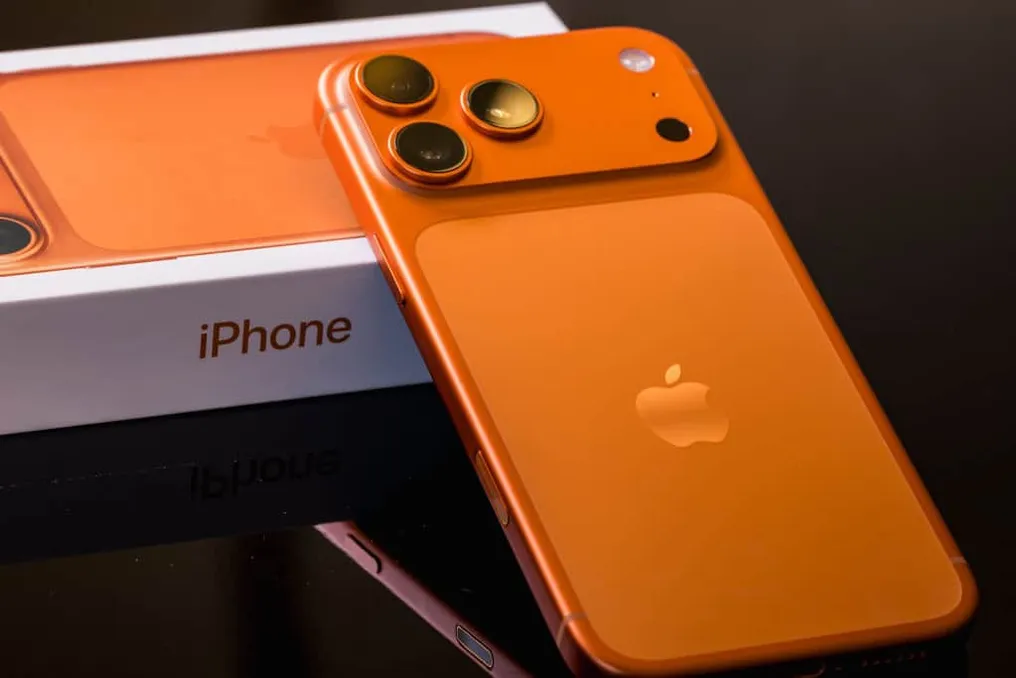
Apple may modify its usual smartphone launch schedule. Information from supplier Pegatron suggests that the iPhone 18 Pro models will be available in the second half of 2026, while the standard version would only be released in the first quarter of 2027.
This calendar change would also affect other devices planned for the next generation. The iPhone 18e and a new model called iPhone Air are considered candidates for later release, as is a possible foldable iPhone from the Ultra line, expected among this autumn's premium products.
The main reason for this shift would be linked to limitations in component supply, specifically memory and chips. With more restricted parts availability, both manufacturers and customers like Apple would be restructuring production peaks, prioritizing the more expensive devices that generate higher profit margins.
The idea of a staggered launch is not new. Last year, analyst Ming-Chi Kuo and the portal The Information had already mentioned that Apple was considering concentrating the launches of its most advanced equipment for the fall of 2026.
More recently, another company supplier indicated that one of its clients was postponing a smartphone launch until early 2027. This new report, published by Economic Daily News and reported by MacRumors, adds an important detail: statements made by Pegatron executives during a presentation on the company's results.
According to the meeting report, the manufacturer confirmed that the iPhone 18 Pro series devices should be launched in the second half of this year. On the other hand, the conventional iPhone 18 would have its launch rescheduled for the first months of 2027.
This division in the calendar is consistent with previous rumors about the iPhone 18e and the iPhone Air. These devices are also expected to be part of the batch arriving after the professional models.
The strategy would be directly related to the difficulties encountered in component supply. According to the Pegatron executives' report, the shortage of memory and chips would be altering corporate behavior during periods of high demand.
In this context, companies like Apple would be optimizing the distribution of available components among various products. Priority would be given to higher-value smartphones, as these have superior margins and consequently represent a more efficient use of a limited stock of parts.
If this schedule is confirmed, Apple would cease concentrating the entire next generation of iPhones in a single annual period. The most sophisticated models would be presented initially, while the more accessible positioning devices would be reserved for a second phase in 2027.
Among the premium launches expected for the second half is also the rumored Ultra foldable iPhone. The inclusion of this device alongside the Pro line would reinforce the possibility of the company dedicating its main showcase of 2026 to higher value-added products.