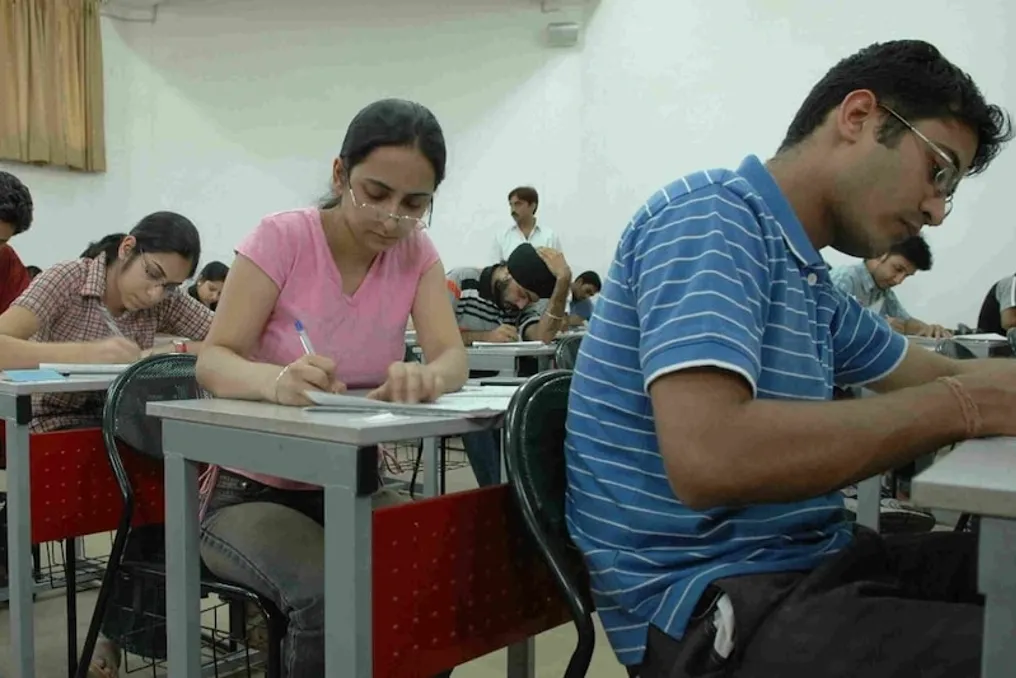
The use of artificial intelligence (AI) in academic activities has reached 78% of students in Brazil. Within this group, 15% state that they use the technology whenever they need to study, and 34% start their research using AI tools.
The use of artificial intelligence (AI) in academic activities has reached 78% of students in Brazil. Within this group, 15% state that they use the technology whenever they need to study, and 34% start their research using AI tools.
However, there is a significant concern regarding the quality of the information provided, given that current models can present errors and hallucinations. Specifically, 52% of students believe that the credibility of the generated content requires a higher level of trust. Of the students surveyed, only 22% stated that they do not resort to AI for study purposes.
The data was collected by the Norwegian company Opera, owner of the browser of the same name and also invests in AI. The study covered 2,400 students from educational institutions, both public and private, spread across the country.
Another relevant point of the investigation, besides the high number of AI users, is the proportion of students who learned to use the technology on their own. Only 5% of students reported having received formal training from educational institutions on the proper and healthy use of these models in the academic environment. Additionally, 40% never received any guidance on the topic.
Regarding internal policies, 9% of respondents study at schools that prohibit the use of AI, while 20% mention the existence of clear guidelines on the subject. In some situations (32%), the guidance comes from teachers themselves, but informally.
The survey underscores the need to promote responsible use of AI. Juliana Psaros, Regional Director of Opera in Brazil, highlighted that this represents a 'new phase' of artificial intelligence in education, emphasizing that 'the challenge now is to ensure that its use contributes to expanding knowledge, autonomy, and critical thinking.'
The results detail how AI fits into the study routine. Many students already begin their work with the help of AI, which complements conventional search engines. About 18.85% consult AI before resorting to traditional search engines, such as Google, while 14.40% use AI directly to complete their tasks. This behavior occurs both to speed up the process and to gain a deeper understanding of the topics, as pointed out by 71% of students. In the group that uses only search engines, the percentage is 33.90%.
Overall, students perceive the use of AI in studies positively. Forty-six point nine percent feel relieved to have the technology during the process, and 30.1% view the activity with enthusiasm. However, there are reservations; concerns about professional future (30.96%) and the learning process itself (30.68%) were mentioned. Furthermore, 28.11% of respondents expressed feeling guilty about the massive use of AI.
According to 52% of respondents, the reliability of information is a crucial factor in using AI and should take priority over the speed of responses. Similarly, it would be very beneficial and more useful if applications offered a step-by-step guide or some integrated guidance, instead of just providing ready-made answers.
This feedback aligns with the findings of the research, which points to the use of technology as support, not as a substitute for original production. The study also reinforces that six in ten students state that they verify or question the information obtained via AI: 31.76% ensure they seek other sources to confirm the answers, while 28.18% deepen the questions asked to the AI itself.
Nevertheless, the considerable volume of those who do not pay proper attention is noteworthy, either accepting answers most of the time without checking (21.92%) or even directly (9.91%). There are also those who choose never to perform this verification, representing 8.23% of students.
Important news has arrived for the youth awaiting employment as assistant accountants and auditors in Uttar Pradesh. The UPSSSC Commission has released the final results of the main examination. As a result, out of a total of 1828 vacancies, a final selection of 1643 candidates was made. The Commission has posted the lists of selected candidates, as well as the qualifying scores for various categories, on its website.
According to the published results, 668 candidates were selected for 570 assistant accountant positions in the Directorate of Internal Audit and Accounts through general selection. Among them are 387 candidates from the general category, 117 from the OBC category, and 66 from the EWS category. Since suitable candidates were not found for 88 posts from the SC category and 10 posts from the ST category, they have been reserved for further consideration according to the rules.
Furthermore, among 950 assistant accountant positions under special selection, 866 young people succeeded. This group included 341 candidates from the SC category, 12 from the ST category, and 513 from the OBC category. It is particularly noteworthy that all 190 positions reserved for women were fully filled by the selected candidates.
For 209 auditor positions under general selection, 206 candidates were selected. These candidates include 96 unreserved, 28 from the SC category, 4 from the ST category, 58 from the OBC category, and 20 from the EWS category. Additionally, all qualified women were selected for 41 positions within the women's reserve. Moreover, one candidate was selected for an assistant accountant position in the UP State Legal Services Authority.
68 candidates received provisional places. The final decision will be made after verification of their documents and the decision of the concerned department. The Commission clarified that these results are subject to decisions made during legal proceedings. The Commission also stated that the selection results will be subject to decisions that may arise in cases heard by the High Court. Any judicial order regarding this batch may affect future selections.
The UPSSSC Commission has posted the qualifying scores by category along with candidate numbers on its website. Candidates can visit the website to check their results and information regarding the selection.
The new Brazilian Manual of Vehicle Driving Exams (MBEDV), developed by the National Traffic Secretariat (Senatran), has standardized the criteria required to obtain the National Driver's License (CNH) across the country. This document, which is linked to Contran Resolution No. 1,020/2025, defines strict requirements that may prevent the candidate from starting the driving test even before turning on the vehicle.
This new regulation has brought significant changes to the driver training process. Among the changes are the reduction of the minimum practical course load, which went from 20 to just two hours/class, the permission to use automatic transmission vehicles, the simplification of the scoring system, and the waiver of the mandatory parallel parking maneuver.
To prove mastery of traffic rules, driving, and maneuvers, the candidate must meet various requirements related to attire, health status, vehicle condition, and even weather. The test will not begin if any of the following circumstances occur:
Even when the test is authorized to begin, the MBEDV provides for the possibility of early termination of the route. The evaluation may be halted if the candidate demonstrates a serious technical incapacity, exhibits emotional control during driving, or commits an infraction classified as a direct disqualification. In these cases, the examining board will formally record the immediate failure.