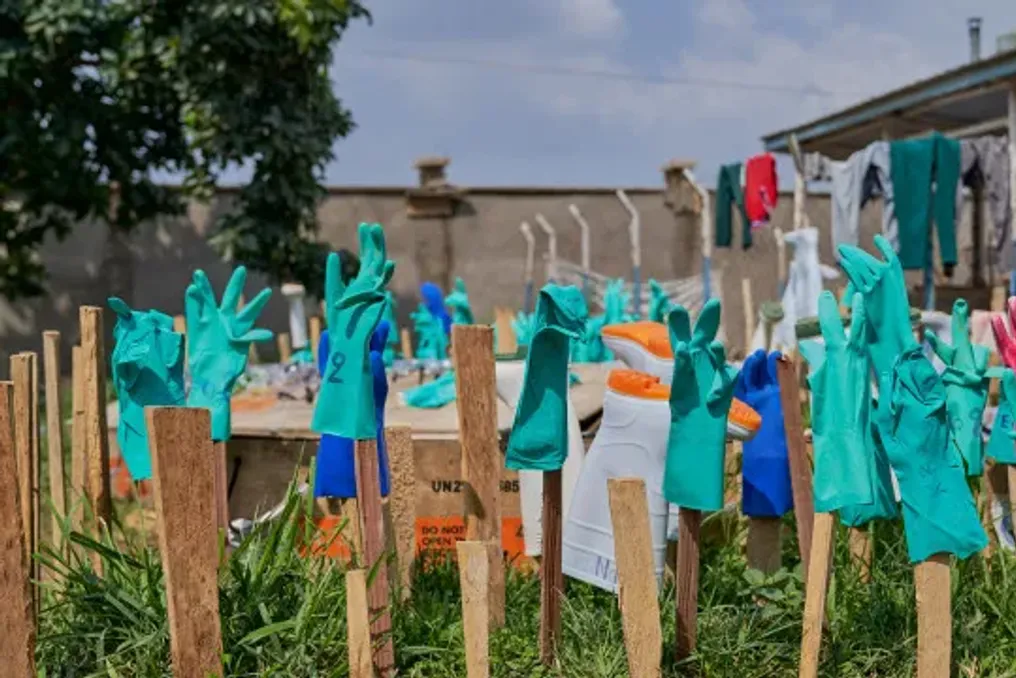
The World Health Organization (WHO) issued an alert indicating that the epidemic occurring in the Democratic Republic of Congo (DRC) could become the most severe ever recorded. According to Tedros Adhanom Ghebreyesus, this is already the second worst documented epidemic and is progressing faster than any previous event.
In a press conference, he mentioned that at the current rate, the outbreak has the potential to surpass the epidemic that ravaged West Africa between 2014 and 2016. The WHO official expressed great concern after visiting the DRC a week earlier to assess the response to the health crisis, given alarming figures, which include approximately 4,400 cases and over 2,000 deaths.
Tedros acknowledged that the outbreak is still in an advanced stage and that teams are working to contain it. A major concern raised was the high number of deaths occurring outside treatment centers and in locations where no new contact had previously been identified. This suggests the existence of unknown transmission chains, which can only be interrupted once identified.
The WHO Director-General emphasized that contact tracing is a top priority to ensure all suspected cases receive assistance and to reach the necessary 95% goal to stop the spread, as the current rate remains at only 80%. Furthermore, the urgent need to recruit and train three health professionals for every patient was pointed out, which would require thousands of additional resources.
In positive news, Tedros reported that two vaccines specifically developed against the Bundibugyo variant of the Ebola virus, responsible for the current epidemic, are in Phase 1 human trials and have been deemed safe. However, experts warned that the development process for these vaccines could take several months.
Additionally, animal studies indicated signs of efficacy for the Ervebo vaccine against the Zaire variant, which is better known due to past outbreaks. For this reason, the WHO recommended last week that human clinical trials begin as soon as possible.
The current epidemic, declared on May 15th in the Ituri province, located on the border with South Sudan and Uganda, has not yet reached the severity of the previous West African outbreak (2014-2016), which resulted in about 11,000 deaths and 28,000 infections, primarily affecting Guinea, Liberia, and Sierra Leone.