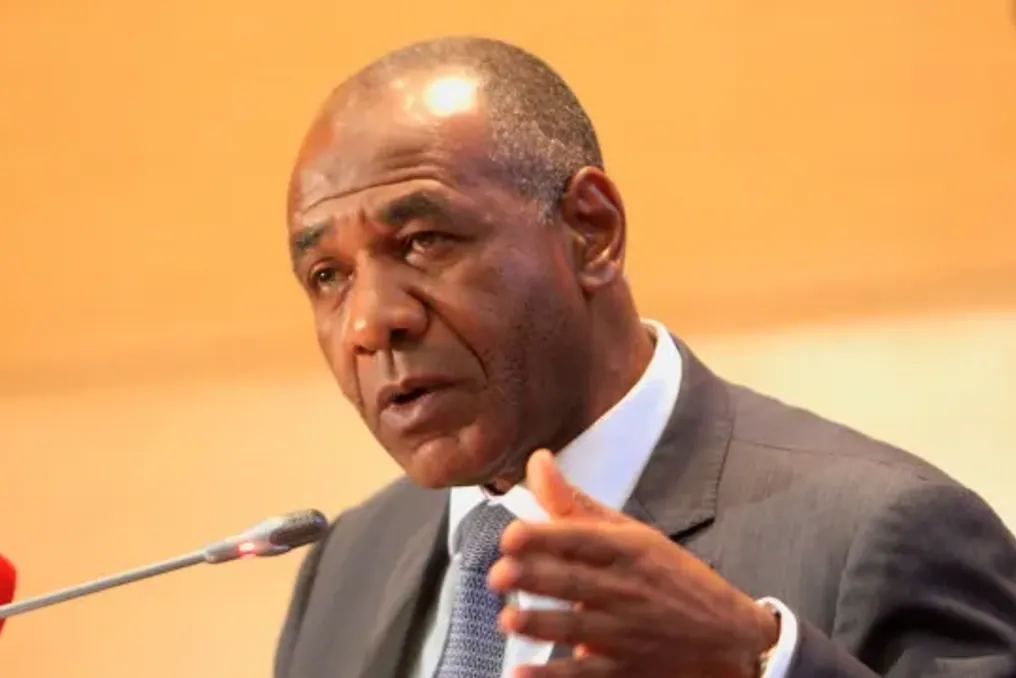
During the Angola/Brazil Agribusiness Forum, held in Luanda, Isaac dos Anjos declared that Angola is no longer willing to beg for investments, requesting that Brazilian entrepreneurs come to the country. He emphasized that if they do not wish to participate, they do not need to be constantly present to point out flaws or difficulties.
The minister stressed that Angola has allocated 800,000 hectares of land for Brazilian entrepreneurs to conduct surveys, organize, and establish their own companies, promoting integration with local communities.
Dos Anjos mentioned that Brazilian investors have found support in the financial structuring of various entities, including BNDS (45%), B-B-PROEX (23%), BDA (5%), FDESA (17%), and producers (10%).
According to the minister, besides the available land, the country has water, electricity, and projects, but progress is not being made. He warned that if interest does not advance, investors should seek other partners.
Isaac dos Anjos expressed the expectation that Angola will receive 'everything and more' from Brazil, asking that Brazil should not feel wronged by the willingness of Angolans to enter this vast market for soybean and other products.
He reinforced the request to Brazilians to settle, produce, and export their profits to Brazil, stating that the conditions offered are the existing ones. When questioned about additional requests, he advised that whoever wants more or better should go to Australia or to Brazil itself.
The Angolan government criticized the stance of demanding prior infrastructure, saying that those who demand conditions such as electricity just to go to the farm should go to Brazil or Australia, as the necessary structures are already established in those places.
The Angolan leader assured that the African country shows a great willingness to move forward. Isaac dos Anjos advocated for a change in mentality, observing that while the main activity of Angolan entrepreneurs used to be food imports, it is now necessary to transition to a new phase.
The head of Agriculture and Forestry in Angola recognized that the agricultural sector presents risks and that investors seek security, but reiterated openness to collaborations. He explained that the commission created by a specific ordinance was formed after bringing Brazilian entrepreneurs to identify obstacles, and that this position reflects the business community, not just the government creation.
In response, Kátia Abreu, former Brazilian Minister of Agriculture, announced that the Brazilian Agricultural Research Corporation (Embrapa) will soon arrive in Angola to support local producers. Abreu highlighted the importance of technical assistance, an area where Brazil is specialized, for the development of farmers.
The Brazilian businesswoman mentioned that in Brazil there is the Brazilian Service for Support to Micro and Small Enterprises (Sebrae) to assist urban companies. In addition to the technology that Embrapa plans to implement, Kátia Abreu considered access to subsidized agricultural credit essential, citing that even large sustainable producers in Brazil receive this benefit.
Although Angola has potential due to similarities in soil, vegetation, and climate, Kátia Abreu pointed out that the inhibiting factor may be legal security. She stressed that the rural producer is naturally cautious and needs a clear legal framework to invest peacefully in the country.