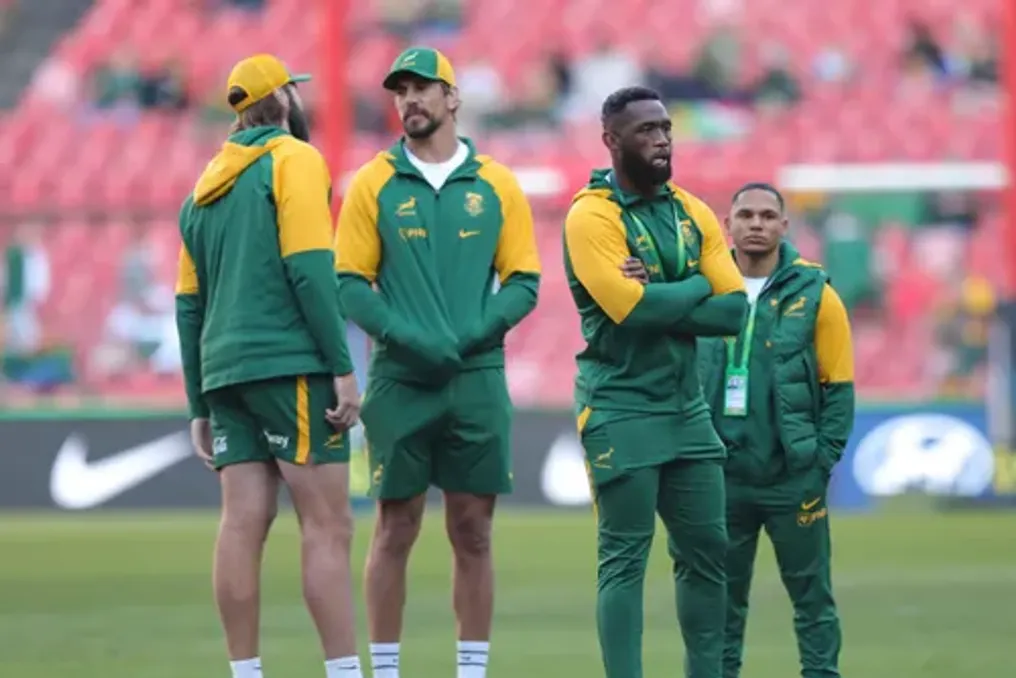
Springboks coach Rassie Erasmus faces a difficult selection challenge ahead of the upcoming test series against the All Blacks, as captain Siya Kolisi is once again in doubt due to a recurring hamstring injury.
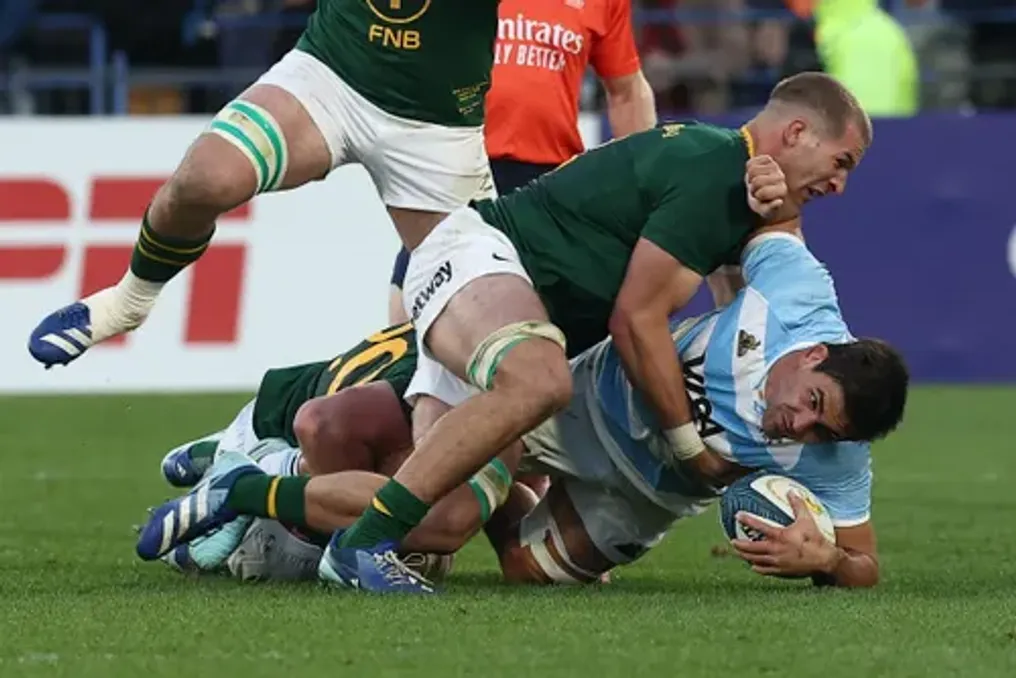
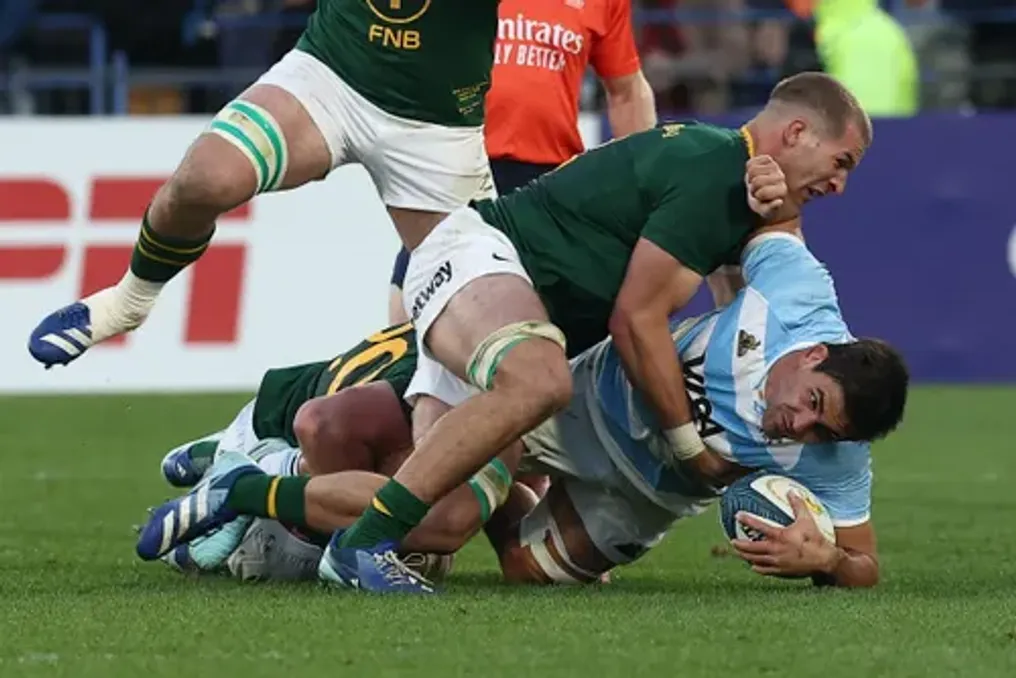
Kolisi sustained the injury just 24 minutes into his return appearance against Argentina in Buenos Aires on Saturday. Although Erasmus remains optimistic about the severity of the issue, the short preparation window forces the coaching staff to develop contingency plans for both the backline combination and the bench squad.
If Kolisi cannot take the field, Paul de Villiers, a player for the Stormers, is the most likely candidate to start at open flanker. De Villiers demonstrated outstanding play during the World Club Championship in July, establishing himself as a key threat in ball retention and a dynamic ball carrier while Kolisi was on the bench.
However, promoting De Villiers to the starting lineup triggers a chain reaction in the match-day squad, particularly regarding who will provide late-game impact from the bench within the famous 'Bomb Squad.' Under normal circumstances, De Villiers would likely replace the dynamic Kwagga Smith, who is sidelined with a long-term knee injury.
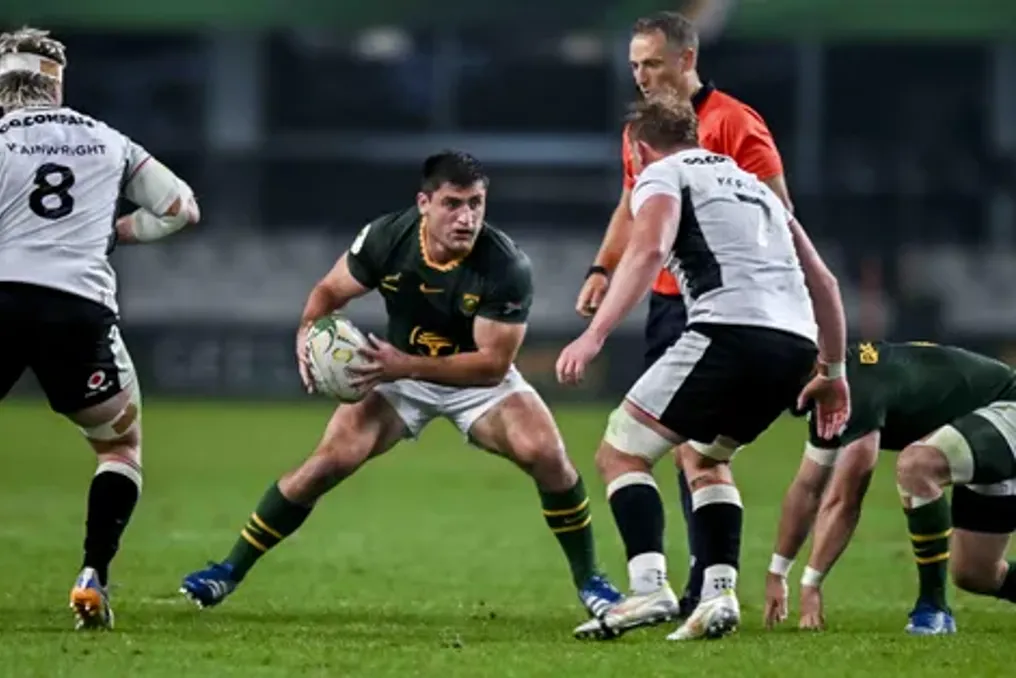
If Kolisi were fit to play, De Villiers would provide an explosive, game-changing role off the bench in the traditional 6-2 ratio. If De Villiers starts, Erasmus must decide who will fill this critical role. Veteran Dion Fourie offers immense experience in ball retention and versatility, as he can play at hooker, making him an attractive option to replicate Smith's destructive impact late in the game.
Alternatively, Marco van Staden provides raw physical power and relentless work rate in tight spaces, offering a more direct, power-based impact, as well as a threat in the air.
The forward reserve group adds another interesting dimension to the discussion. Erasmus successfully utilized the heavy artillery bench against Argentina by bringing on two locks, Kobus Wiesse and Ben-Jason Dixon, to dominate set pieces and collisions in the final quarters. Repeating this tactic against New Zealand would allow them to maintain maximum power in the middle of the park, and their versatility also allows them to operate as backline players.
If the Boks opt for greater versatility at open flanker in the 6-2 setup, they might reduce the number of specialized locks on the bench to one. In that scenario, World Cup two-time winner Pieter-Steph du Toit could transition from blindside flanker to lock in the second half, allowing two specialized 'hunters' like Van Staden and Fourie to remain on the bench when the game becomes tight in the final quarter.
There is also the intriguing possibility of completely abandoning the 6-2 setup in favor of a 5-3 ratio. Such a move would likely depend on the inclusion of Andre Esterhuizen. This fast centre possesses the size, defensive aggression, and strength to act as a hybrid backline player in emergencies, providing the Boks with extra cover in the backline without completely sacrificing forward power.
Esterhuizen made a huge impression off the bench as a hybrid player against the All Blacks in Wellington last year, and he proved invaluable when the Boks were reduced to 14 men against France after Lud de Jager's red card during their November tour. Given that marginal differences will be decisive, Erasmus's final choice will hinge on the trade-off between raw forward depth and tactical adaptability. Replacing Kolisi's leadership and work rate will require a flawless combination of starting effectiveness and bench influence.