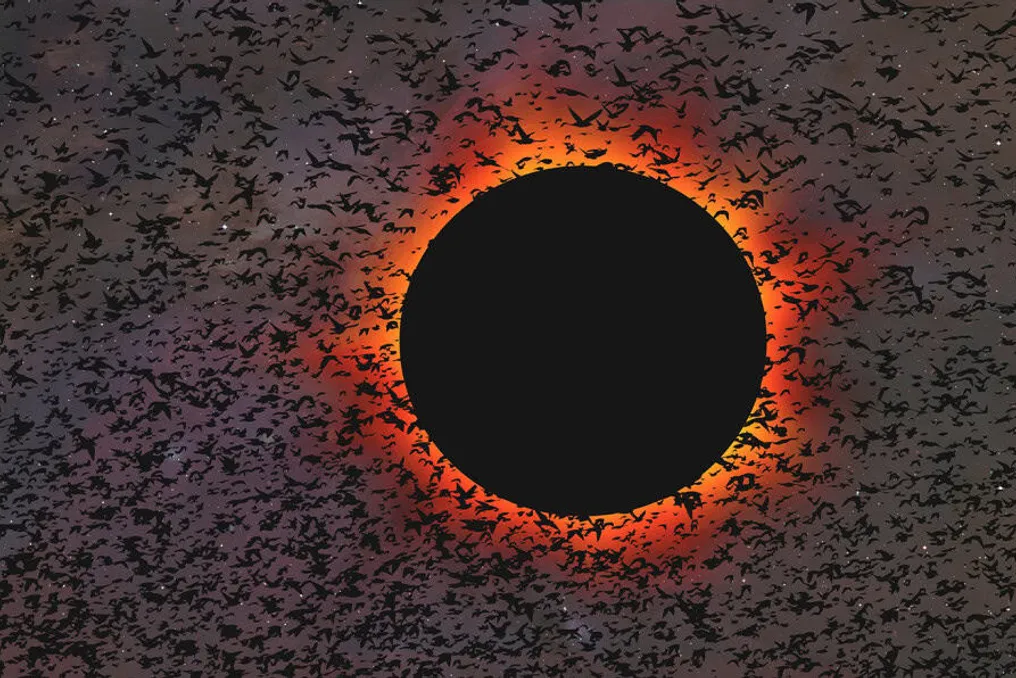
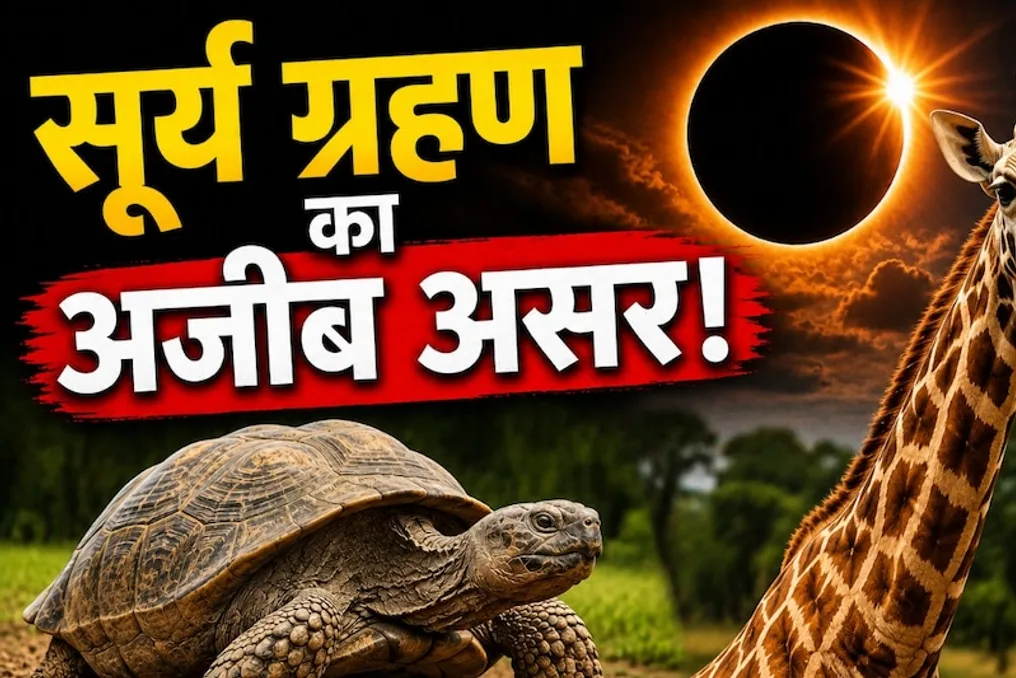
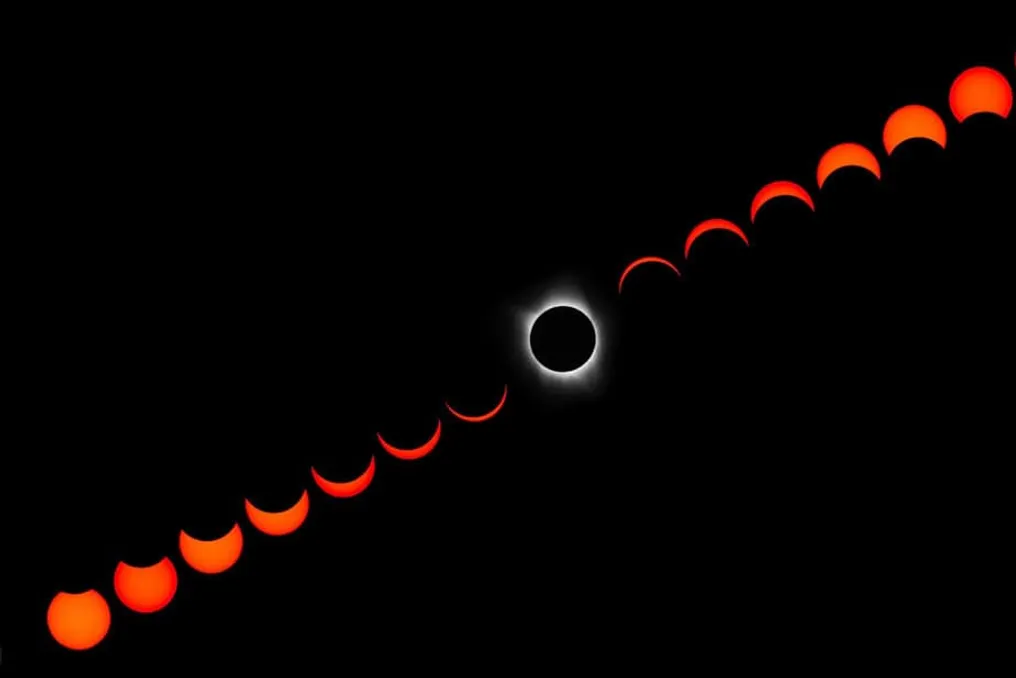
A solar eclipse, which is an astonishing astronomical phenomenon for humans, can be perceived completely differently by animals. The sudden onset of darkness during the day, the decrease in light intensity, and changes in atmospheric conditions can affect their usual behavior. Such a striking observation was recorded in 2017 in America when scientists monitored the reaction of various animals housed in a zoo during the eclipse.
Scientists observed seventeen species of animals, including giraffes, Galapagos tortoises, gibbons, gorillas, flamingos, and others. Changes in behavior were noted in thirteen of these species. Some animals began exhibiting nocturnal-like behavior, while others showed signs of anxiety. Some animals displayed behaviors that even the scientists did not expect. Thus, it is being investigated whether the eclipse influences animals.
On August 21, 2017, a solar eclipse occurred in Florida (South Carolina), during which the sky became very dark for several minutes. For humans, this was an incredible sight, but for the animals, the suddenly changed environment could have served as a signal. Animals determine day and night based on surrounding light, temperature, and other natural signs. When darkness suddenly falls during the day, some animals may perceive this as the approach of evening or night, leading to a change in their usual behavior.
One of the most surprising reactions during this study was the actions of the giraffes. Giraffes are usually considered calm animals and rarely run without apparent reason. However, during the solar eclipse, some giraffes started running. Scientists linked this to possible anxiety or unease, suggesting that the sudden darkness might have caused them to feel impending danger. It is important to note that their behavior returned to normal after the eclipse ended.
If the running of the giraffes was surprising, the behavior of the Galapagos tortoises was even more shocking. During the solar eclipse, these tortoises were observed mating. Galapagos tortoises are usually slow and quiet. But during the eclipse, they exhibited such behavior. Scientists cannot yet provide a precise explanation for the link between the sudden darkness and this behavior, so it cannot be stated that the tortoises start behaving this way immediately after the eclipse begins; it was recorded as an unusual phenomenon in this specific situation.
Gibbons behaved unusually. Usually, gibbons communicate with each other early in the morning using characteristic sounds. However, during the eclipse, their behavior changed, and they emitted unusual sounds during the daytime. It seemed that the sudden darkness temporarily disrupted their daily routine. This was interesting to scientists because it indicates that sharp changes in lighting can affect the biological clocks of animals.
Gorillas also showed behavior typical of evening or night during the eclipse. As soon as it got dark, some gorillas started sleeping. This demonstrates how much animals depend on natural environmental signals, as for them, darkness lasting only a few minutes during the day became an important signal that altered their usual schedule.
The behavior of flamingos also changed during the solar eclipse. Flamingos gathered around their chicks. Scientists interpreted this as a reaction related to potential anxiety or the need for security. Perhaps the sudden darkness caused them to feel threatened, so they found it safer to stay near their offspring. Although this behavior may seem common, for scientists, it is an important sign that the changing environment affects the defensive reaction of animals.
The 2017 study examined seventeen species, and they did not all react the same way. Some animals showed no changes, while others switched to a nocturnal mode, exhibited anxiety, or displayed completely different behavior. This means that each species may experience the solar eclipse in its own way. The reaction depends on the daily routine, the species, and the animal's natural behavior.
Scientists believe that the main reason is the sudden change in lighting during the solar eclipse. The activity of many animals is linked to the day-night cycle: bird singing, foraging, preparing for sleep—all of this changes depending on the light. A solar eclipse turns the day into something resembling night for just a few minutes, causing some animals to mistake it for the onset of evening or night. Some animals
2