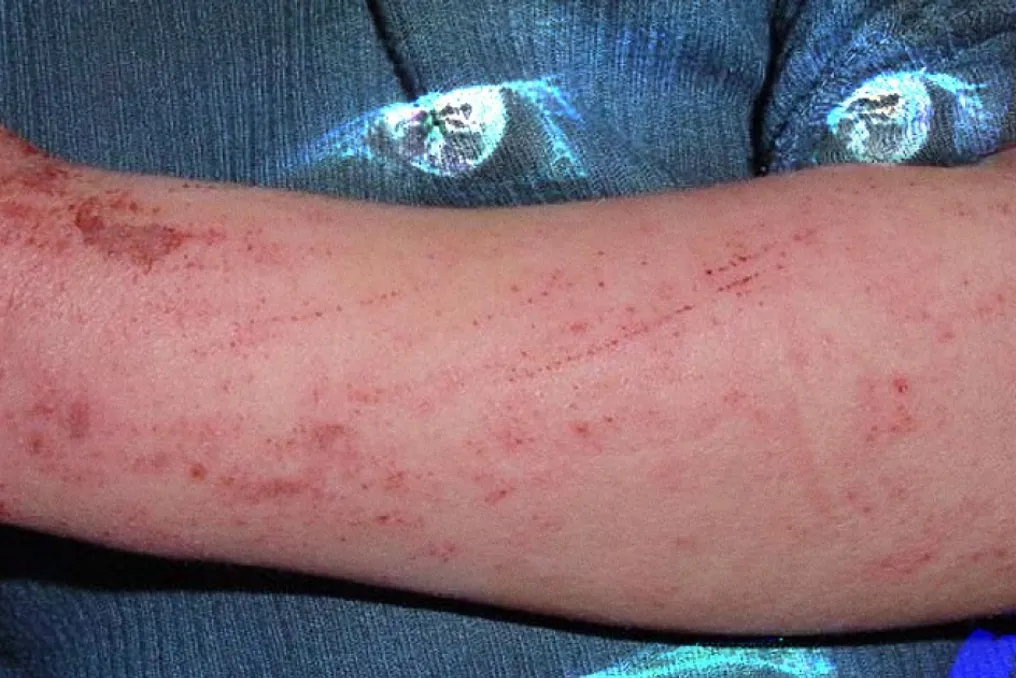
Danish researchers concluded that the frequency and duration of infectious diseases in early childhood correlate with a higher risk of developing atopic dermatitis in children under ten years old.
Danish researchers concluded that the frequency and duration of infectious diseases in early childhood correlate with a higher risk of developing atopic dermatitis in children under ten years old.
The analysis conducted by the scientists covered a sample of 1370 children. The main association was found regarding respiratory infections. The results of the study were published in the journal JAMA Dermatology.
Authorities in Maharashtra conducted a large-scale inspection of food safety compliance, resulting in the suspension of licenses for four Domino's outlets. Serious violations were identified during the special inspection, including heavy contamination in kitchens and lack of pest control.
Previously, similar strict measures were taken against the Blinkit store in Mumbai.
On August 11, the FDA conducted a special campaign across Maharashtra. During this inspection, 104 establishments of major brands such as Domino's, KFC, McDonald's, Pizza Hut, Subway, and Burger King were examined. Upon discovering significant violations, the operations of two establishments were immediately suspended, and 95 centers were issued notices to rectify deficiencies. Furthermore, food licenses were immediately suspended at five branches, among which were four Domino's locations.
At the Domino's branch located in Vile Parle, Mumbai, an issue with the FSSAI license placement was found. Numerous shortcomings were also identified in drinking water control, food storage methods, pest control, and general cleanliness. The team of inspectors demanded improvements to the condition of the kitchen back door, floor, and refrigerator. They were also instructed on the necessity of maintaining food at the correct temperature, cleaning dishes, and ensuring complete staff hygiene through handwashing.
The situation at the Borivali branch was also unsatisfactory; it scored only 54 percent in the inspection. A thick layer of oil was found on the pizza preparation area, and pieces of food were scattered, requiring immediate cleaning. Additionally, it was mandated to store raw and cooked foods, as well as vegetarian and non-vegetarian products, separately.
Prior to the Domino's incident, the FDA had already taken action against the Blinkit store located in Malad West. An inspection conducted on August 7 revealed a large number of cockroaches on fruits and vegetables. It was noted that some products were stored directly on the floor, and many packages were expired. Following this, the department suspended the store's license and ordered its immediate closure.
Constant food quality checks continue in Maharashtra. Between May and July alone, over 3,000 hotels and restaurants were inspected in Mumbai. As a result of these inspections, licenses for 165 places were suspended, and over 28,000 kilograms of food products worth more than 55 crore rupees were seized and destroyed.
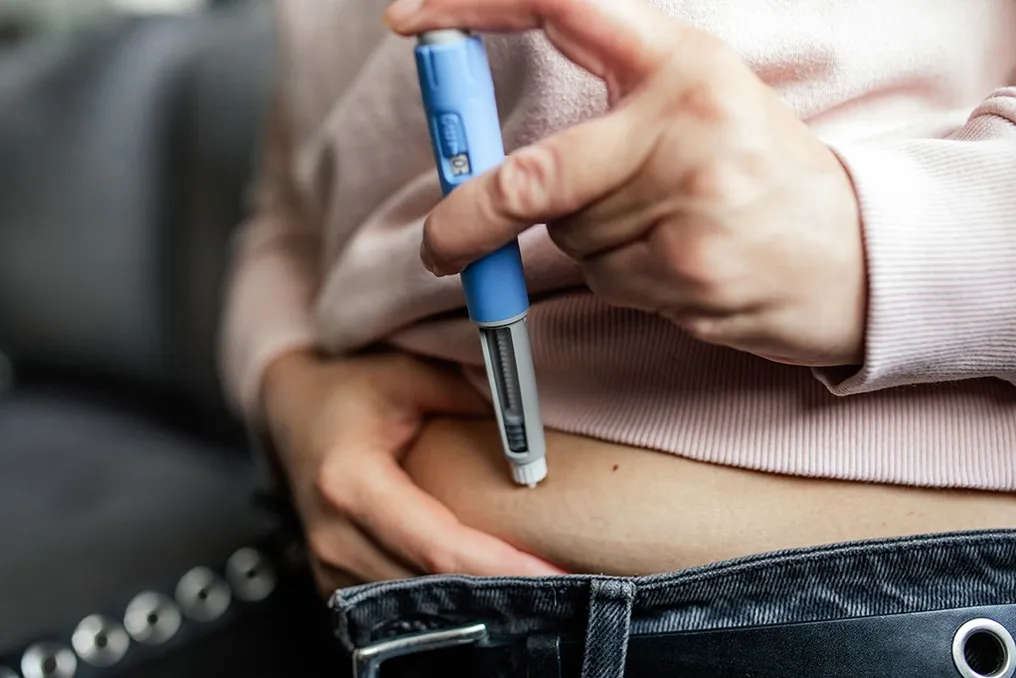
A new investigation involving over 157,000 participants revealed an unprecedented effect of GLP-1-based drugs, such as Ozempic and Wegovy. In a clinical trial, these medications were correlated with a decrease in the risk of age-related macular degeneration (AMD), which is the main cause of irreversible blindness in older people.
The individuals included in the study were 60 years or older and obese, but not diabetic. This selection allowed scientists to exclude glycemic influences that could distort the results.
The group was divided into two equal parts. One group used GLP-1 class medications for weight control, such as liraglutide, semaglutide, or tirzepatide. The second group consisted of people using other weight loss medications that did not belong to this category.
After a seven-year monitoring period, the data showed that patients treated with GLP-1 had a significantly lower incidence of AMD compared to the other group. The use of GLP-1 was linked to an estimated 18% reduction in the risk of developing AMD during the follow-up.
Medications like Ozempic contain semaglutide as the active ingredient, a substance that mimics the function of the GLP-1 hormone, responsible for signaling satiety. Unlike natural GLP-1, which remains in the body for only a few minutes, semaglutide has a more lasting effect, promoting weight loss and suppressing appetite for an extended period.
Although the exact mechanism by which GLP-1 drugs might protect the elderly from vision loss remains uncertain, researchers raised a possibility: the drug class could have a neuroprotective effect. This would occur through the reduction of inflammation in the retina via a protein complex known as the NLRP3 inflammasome, which protects the body.
However, there is another plausible explanation. Obese individuals using GLP-1 tend to lose more weight than those using other weight loss treatments. Thus, the reduced risk of AMD may be linked to the weight loss process itself, and not directly to GLP-1. The authors clarify that 'weight loss itself already reduces systemic inflammation and oxidative stress, which can decrease the risk of AMD independently.'
If this second theory is confirmed, the finding corroborates a study conducted ten years before semaglutide was introduced to the market, which already indicated a 2% increase in the risk of AMD for every additional kilogram per square meter in the body mass index (BMI) of overweight or obese people.
The researchers themselves admit that it is premature to draw final conclusions. The observation time of the study was relatively short, with only one year for GLP-1 users and two and a half years for the comparison group. More research will be necessary to confirm and better understand the underlying processes of this effect, including studies with younger age groups, starting from 50 years old.
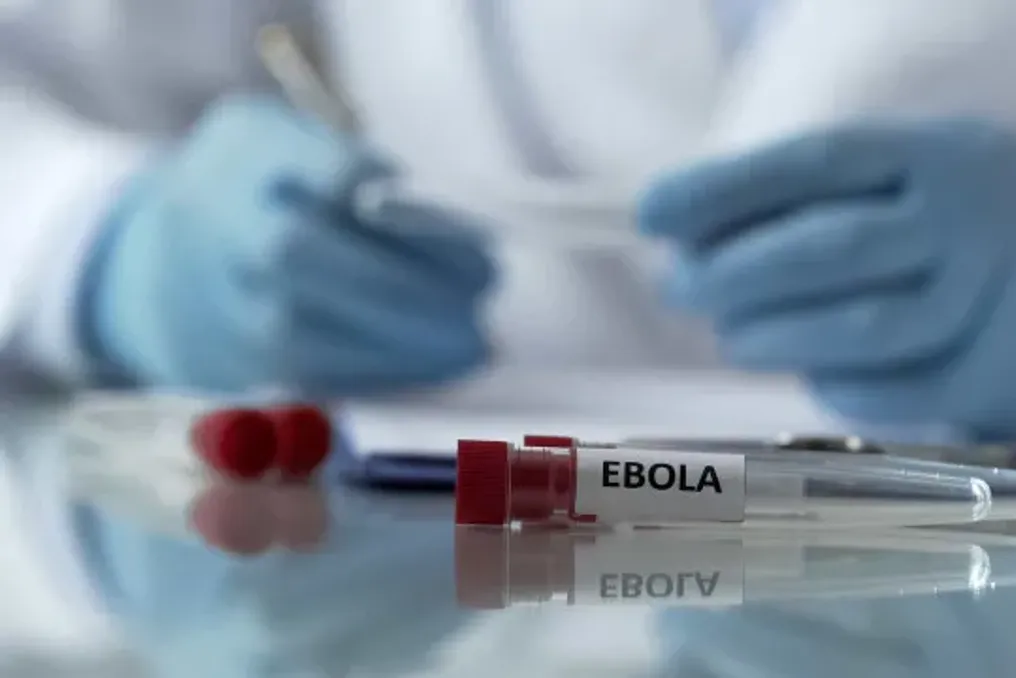
The World Health Organization (WHO) issued an alert indicating that the epidemic occurring in the Democratic Republic of Congo (DRC) could become the most severe ever recorded. According to Tedros Adhanom Ghebreyesus, this is already the second worst documented epidemic and is progressing faster than any previous event.
In a press conference, he mentioned that at the current rate, the outbreak has the potential to surpass the epidemic that ravaged West Africa between 2014 and 2016. The WHO official expressed great concern after visiting the DRC a week earlier to assess the response to the health crisis, given alarming figures, which include approximately 4,400 cases and over 2,000 deaths.
Tedros acknowledged that the outbreak is still in an advanced stage and that teams are working to contain it. A major concern raised was the high number of deaths occurring outside treatment centers and in locations where no new contact had previously been identified. This suggests the existence of unknown transmission chains, which can only be interrupted once identified.
The WHO Director-General emphasized that contact tracing is a top priority to ensure all suspected cases receive assistance and to reach the necessary 95% goal to stop the spread, as the current rate remains at only 80%. Furthermore, the urgent need to recruit and train three health professionals for every patient was pointed out, which would require thousands of additional resources.
In positive news, Tedros reported that two vaccines specifically developed against the Bundibugyo variant of the Ebola virus, responsible for the current epidemic, are in Phase 1 human trials and have been deemed safe. However, experts warned that the development process for these vaccines could take several months.
Additionally, animal studies indicated signs of efficacy for the Ervebo vaccine against the Zaire variant, which is better known due to past outbreaks. For this reason, the WHO recommended last week that human clinical trials begin as soon as possible.
The current epidemic, declared on May 15th in the Ituri province, located on the border with South Sudan and Uganda, has not yet reached the severity of the previous West African outbreak (2014-2016), which resulted in about 11,000 deaths and 28,000 infections, primarily affecting Guinea, Liberia, and Sierra Leone.