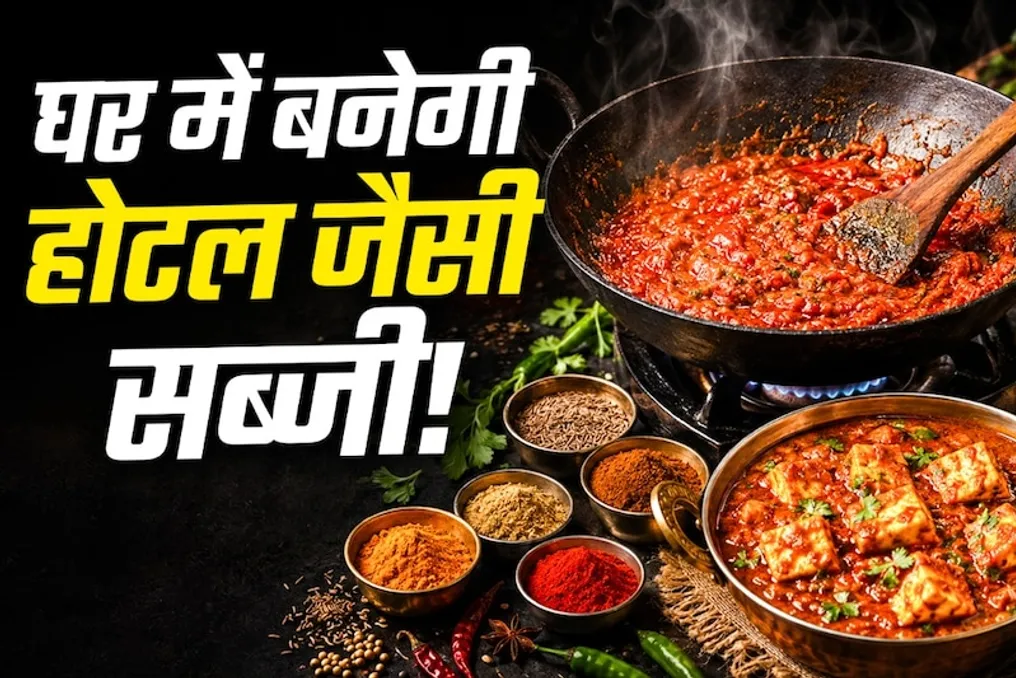
When someone starts cooking at home, they often picture the appetizing taste of restaurant dishes in their mind. The goal is for homemade food to taste as good as it does in a restaurant. Sometimes, when trying to enhance the flavor, people add too many spices, but even then, the expected restaurant taste is not achieved. Moreover, even simple food from a restaurant or cafe seems so aromatic and delicious that one wants another serving. Why is this happening?
In reality, the taste of a dish depends not only on the amount of turmeric, chili, or coriander powder you added. The timing of adding spices, the cooking temperature, and the duration of roasting them also play a huge role in the final taste. If the spices are roasted correctly, the taste of the dish can improve significantly even with fewer spices. Next, we will tell you about the correct method of roasting spices for vegetable dishes and share tips that will make homemade food as tasty as in a restaurant.
You should not rush to add oil immediately after putting the pot on the stove to cook vegetables. You need to let the pot heat up for about 1-2 minutes. After that, pour in the oil and let it heat up well. If the oil is not heated properly, the taste of the spices will be spoiled, and the dish may have a smell of raw oil.
When the oil gets hot, add cumin seeds to it. Stir constantly until they start crackling. As soon as a pleasant aroma starts coming from the cumin seeds, you can consider the base ready. It is important to ensure that the cumin does not burn, otherwise, the entire taste of the dish can become bitter.
Next is the stage with onions. Add finely chopped onion and cook, stirring constantly. When the moisture from the onion starts evaporating, add a little water and continue frying. Repeating this process two or three times helps the onion soften completely and release its flavor. The next step should only be performed after the onion has taken on a light golden color.
If you are cooking a dish without onions, you do not have to sacrifice flavor. After roasting the cumin base, you can immediately add tomatoes. Adding a small amount of salt to the tomatoes helps them soften faster. When the tomatoes are completely cooked down and turn into a paste, you can add the spices. If you are using tomato puree, it also needs to be simmered slightly.
Only after the tomatoes and onions (if used) are well cooked should you add turmeric, coriander powder, red pepper, and salt. This is the most critical stage of roasting spices. Always remember: you cannot just throw dry spices into an empty and dry pot, as they can burn, giving the dish a burnt or bitter taste. When adding spices, it is recommended to add a little water and mix them with the onions and tomatoes.
After adding the spices, instead of increasing the heat, switch to low heat. Periodically add a little water and continue stirring the spices. On low heat, the spices cook gradually, and their aromas are fully released. This small detail can make even the simplest vegetable dish more aromatic.
Now the question is how to determine if the spices are roasted properly. Determining the readiness of the spices is quite simple: when the excess liquid in the mixture evaporates and a light layer of oil begins to appear on the edges of the pot, it means the spices are ready. This is the stage when you can add potatoes, peas, or any other favorite vegetables for boiling.
It is important to remember that for the next vegetable preparation, focus not on increasing the amount of spices, but on the correct time and temperature of their cooking. Well-roasted spices can make a dish aromatic and tasty even in small quantities. Thus, the secret to restaurant taste lies not in a large amount of spices, but in the correct way of preparing them.