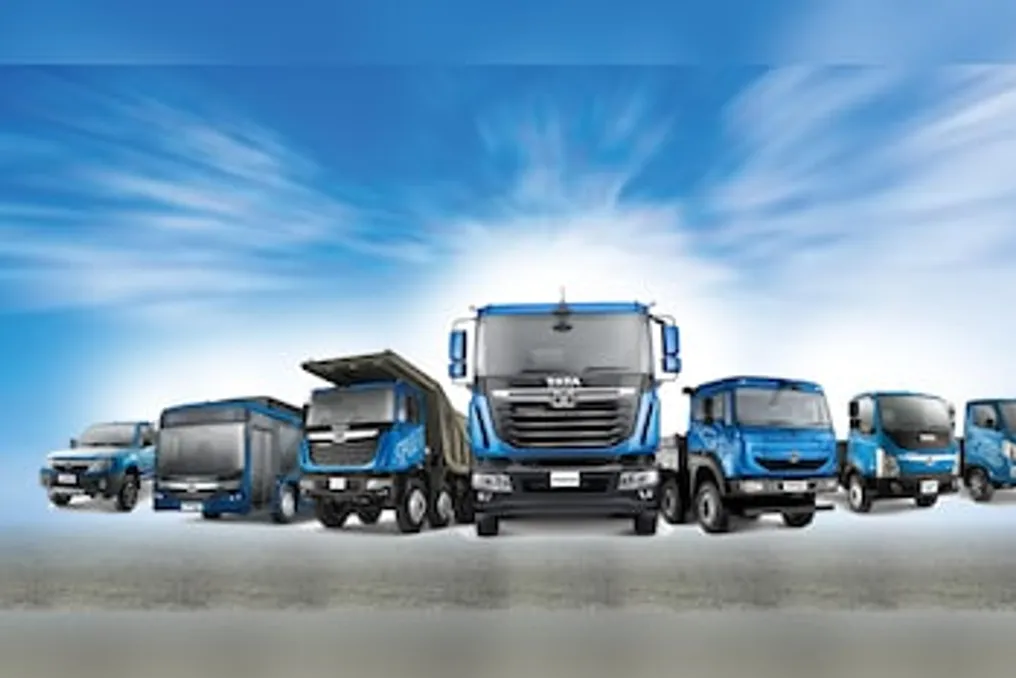
Tata Motors, India's largest commercial vehicle manufacturer, reported a significant year-on-year increase in consolidated net profit of 83%, reaching ₹2,560 crore in the first quarter of the fiscal year 2026-27 (Q1FY27). Operating revenue increased by 19.3%, amounting to ₹20,667 crore.
The profit growth was driven, in part, by the increase in investment value in Tata Capital, strong demand for commercial vehicles, market share gains, and operational improvements. These results were announced after the market close, leading to a 1.59% rise in Tata Motors shares, closing the trading day on BSE at ₹456.85 per share.
Signals of further price increases amid rising raw material costs
Despite high demand and a 26% increase in domestic volumes in the June quarter, Tata Motors is likely to be forced to implement further price hikes to offset rising raw material costs. Company management notes constant pressure on product cost.
The company has already raised prices twice since April: the first increase was 2% in the first quarter, and the second was 2.5% from July 1st. As stated by CEO and Managing Director Girish Waghm at the Q1FY27 review meeting, raw material inflation negatively impacted the business by approximately 3.8% during the reporting period. He added that 'raw material inflation remains a serious hurdle, and we see some further increase,' emphasizing that pricing is a priority method of combating pressure.
This comment came as Tata Motors' strong sales volume growth did not translate into an expansion of operating margin. The company's consolidated EBITDA margin stood at about 10.9%. Management indicated that margin dynamics will depend on three factors: raw material prices, the degree of embedding of recent price increases in the market, and volume growth rates.
Waghm specified that 'margin growth will not only come from volume growth. It will be a play of all these three variables.' Commercial vehicle sales remained high throughout the quarter: total CV volumes grew by 26% to 108,700 units, and domestic volumes also increased by 26%. Exports showed a 35% growth, supported by increases in Indonesia and several markets in Sub-Saharan Africa.
Fleet replacement stimulates heavy truck demand
Waghm noted that the company observes real demand for heavy commercial vehicles, driven by large fleet operators replacing outdated vehicles. This replacement cycle continues into July, as fleet owners seek more fuel-efficient models with lower maintenance costs and improved total cost of ownership.
Furthermore, the company is increasingly tracking retail registrations through the government's Vahan platform alongside wholesale volumes to ensure that the growth is not caused by inventory buildup at dealerships. Demand is supported by activity in the infrastructure and mining sectors, while e-commerce, fast-moving consumer goods (FMCG), and courier and postal services support demand for light and medium commercial vehicles. Previously, Tata Motors had stated that the growth in HCV was attributed to freight availability, infrastructure, and mining activities.
The electric vehicle economy is improving amid rising fuel prices. Waghm reported that the increase in diesel and compressed natural gas (CNG) prices makes electric commercial vehicles more attractive. The rise in traditional fuel prices has reduced the time required for EVs to reach total cost of ownership parity with diesel and CNG vehicles. Tata Motors expects improved EV penetration, especially in the second half of FY27.
The company is noting increased interest from fleet operators looking to electrify their fleets and is expanding its charging ecosystem through partnerships. Demand for small electric commercial vehicles is spreading not only to megacities but also to second and third-tier cities. However, the rapid growth in EV demand is creating supply chain challenges. Tata Motors is facing shortages of certain imported materials, particularly battery cells, which have long lead times. Waghm forecasts that these constraints will be managed by the end of the second quarter.
The acquisition of Iveco is proceeding as planned. Tata Motors has received regulatory approval from Spain, and only awaits approval from France. Waghm stated that the company expects final clearance by the end of August, and the deal is likely to close by early November 2026. The company also increased its stake in the logistics technology platform Freight Tiger to 63.6% after acquiring an additional 18.1% stake for ₹95.66 crore in May. This move aims to integrate FleetEdge and Freight Tiger to create a comprehensive digital ecosystem covering the freight and logistics sectors.
Shipments to Indonesia accelerate
By the end of July, Tata Motors delivered approximately 2,600 vehicles to Indonesia, and the program is now progressing at the required pace. Although Indonesia has become a strong export market, Waghm emphasized that the growth does not depend on a single region. Several markets in Sub-Saharan Africa and other regions also showed good results, although West Asia remains a challenging area.
The company is also working to resolve supply chain issues affecting the internal combustion engine portfolio. As demand grows in the automotive industry, capacity constraints have arisen in the production of sheet metal, castings, and forged parts, and labor migration affected supplies in the first quarter. Tata Motors reported that these issues have largely been resolved, and throughput is improving.
Hydrogen trucks remain in pilot project stage
Tata Motors continues its work on hydrogen fuel commercial vehicles under the national hydrogen mission. The company is participating in pilot projects with hydrogen trucks operating on three routes, with Indian Oil Corporation generating green hydrogen for testing. Waghm noted that the goal of these pilots is to gather operational data before the technology can be considered for wider commercial deployment.
The company has also appealed to the government for intervention regarding import duties on certain electric vehicles, arguing that low tariffs on imported electric tractors could undermine local engineering and the development of the domestic EV supply chain.