Google introduced its updated Pixel device series during an event in the United States. The announcement included the Pixel 11, Pixel 11 Pro, Pixel 11 Pro XL, and Pixel 11 Pro Fold smartphones, as well as new gadgets such as the Pixel Watch 5, Pixel Buds Pro 2, and the brand new Pixel Tag.
Furthermore, the company demonstrated several improvements in artificial intelligence, photography, content creation, accessibility, and health monitoring. This strategy expands Gemini's influence within the Google ecosystem, allowing the company to compete in segments already dominated by other manufacturers.
The devices were presented before the official start of sales and will reach consumers at different times. Mobile phones will begin shipping on August 20th, while the Pixel Tag is expected in November.
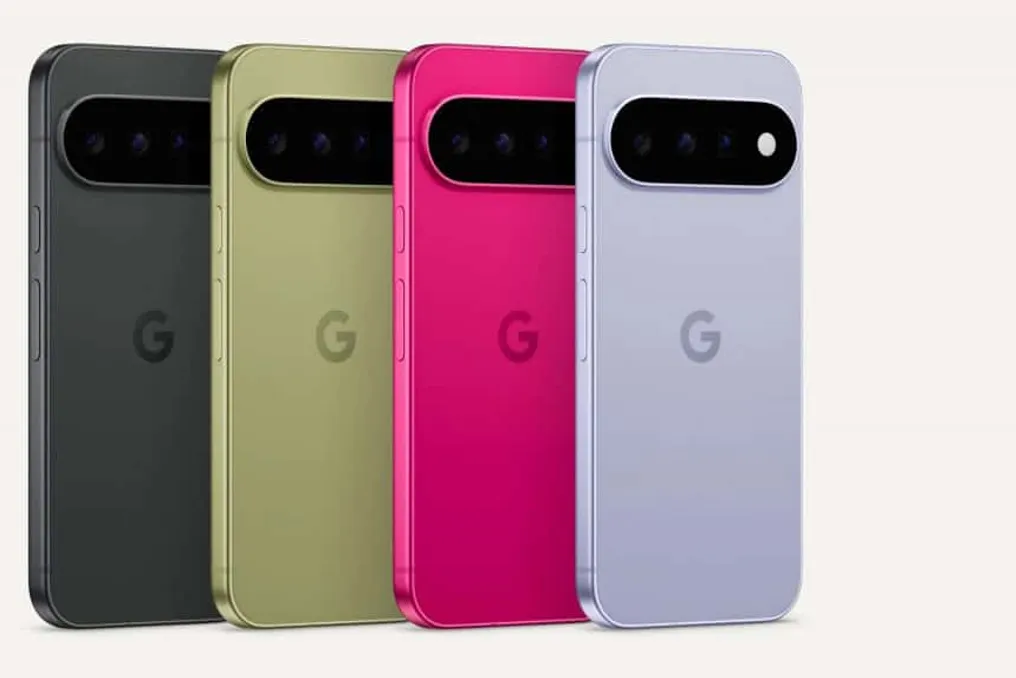
Details of the New Pixel 11 Smartphones
The base model of the new series now costs $899 USD, which is $100 higher than the Pixel 10. The base configuration has received doubled memory capacity, reaching 256GB, while retaining 12GB of RAM. The device body features a 6.3-inch OLED display with a resolution of 1080 by 2424 pixels and a maximum brightness of 3000 nits. The main changes concern the rear camera, where the protrusion has been reduced compared to the previous generation.
In terms of photography, the Pixel 11 is equipped with a 48MP main camera, a 13MP ultrawide camera, and a 10.8MP telephoto lens with up to 30x zoom capability. The main sensor has increased in size, and the stated battery life exceeds 30 hours. Performance is powered by the Tensor G6 chip, which, according to Google, provides 25% faster internet operation, reduces application launch time by 15%, and improves energy efficiency compared to the Tensor G5.
The company also links the new processor to improvements in image processing and locally executed Gemini functions. Among the innovations are faster transcription and AI-dependent features directly on the device. Two advanced variants start from $1099 and $1299 respectively. Both variants include 256GB of storage and 12GB of RAM; choosing the 512GB or 1TB versions allows for up to 16GB of RAM. The panels of these models reach a brightness of 3600 nits, and Google claims that scratch resistance has doubled compared to the previous version. Batteries have also slightly increased, and the company promises over 30 hours of use.
The camera module has received significant enhancements: Pro Zoom now reaches 120x, exceeding the previous 100x, and the devices have also received updates to their camera sensors. The most notable feature is HiLight—a function that uses an LED ring around the flash to convey information without screen notifications. The system can signal when Gemini is listening, processing a request, or responding, and can also notify about calls from selected contacts, including WhatsApp messages. Google plans to expand the capabilities of this indicator further.
The foldable model is available for $1899 and integrates into the new lineup through structural changes and software updates. The outer screen has increased to 6.5 inches, and both displays can reach a brightness of 3600 nits. Google announced reduced bezels and presented the device as more durable than its predecessor. The gadget has IP68 certification against dust and water, and the back panel is made of a material better resistant to impact. Despite similar dimensions to the previous model, the device has become lighter: weight decreased from 258g to 238g, and battery capacity decreased from 5015mAh to 4750mAh.
The camera system retains most of the configuration of previous models, but the main camera aligns with the changes made to the Pixel 11. Super Zoom also reached 30x. Storage starts from 256GB with options for 512GB and 1TB. The device uses Tensor G6, which, according to Google, provides up to 24 hours of battery life.
Gemini's Central Role in the New Pixel Series
The new generation of Pixel places even greater emphasis on Gemini. Among the new features is an agent capable of performing user tasks, such as ordering goods, booking trips, and making calls to companies. When making calls, users will be able to monitor real-time transcription and answer the conversation, although this feature will initially only be available in the US.
The Gemini Intelligence feature allows retrieving information from authorized applications. This could include interpreting a class schedule in Gmail to determine necessary books or checking the calendar to respond to an invitation. Google is also preparing Rambler, which will be integrated into the keyboard to help eliminate filler words from voice texts. Live Translate will gain support for translating voice messages, videos, and podcasts.
The camera of the new Pixels has received numerous features for everyday shooting and content creation. One of them is Magic Capture, which combines photos and video clips from a single moment, applying automatic cropping and noise reduction. The Camera Looks feature differs from simply applying filters because it alters the image processing itself to create specific visual styles, including the aesthetics of editorial publications and digital cameras.
In the Pro models, video also received stabilization for 8K recording. The new Creator Suite includes tools such as a teleprompter, clip editing, and voice enhancement. The ability to use Circle to Search directly within the camera window has been added, allowing the user to learn information about the frame without leaving the app or taking a pre-shot.
Among the functions presented by Google is a tool that converts signals in front of the camera into text. It uses Google DeepMind's Sign Language-to-Text model and will initially support transcription in American Sign Language English. This technology will be integrated into Gboard and Live Transcribe to facilitate communication between people who use sign language and those who do not, reducing the need for manual text input.
Updates to the Pixel Watch 5 Smartwatch
The new smartwatches start from $399 USD, which is $50 more than the Pixel Watch 4. The device is available in 41mm and 45mm sizes with various finish options, and there is a special edition honoring basketball player Stephen Curry priced at $579. The stated battery life is up to 30 hours for the 41mm model and up to 40 hours for the 45mm model; using power-saving mode, the larger version can last up to 72 hours. Fast charging has also been improved: after 15 minutes of charging on the dock, up to 15 additional hours of use can be gained.
The watch retains the Actua 360 display with Gorilla Glass and a maximum brightness of 3000 nits. Internally, it is equipped with Snapdragon W5 Gen 2 Accelerated, which, according to the manufacturer, provides 20% faster processing than the Pixel Watch 4. Storage capacity has also doubled to 64GB.
In the health sector, the Pixel Watch 5 expands the range of metrics. The watch now tracks blood pressure trends and insulin resistance, and also provides data on sleep breathing quality. Google also introduced the Readiness Score, which helps determine whether the user should focus on recovery or training. The Google Health app will receive personalized strength training and HIIT programs with visual and audio cues for exercises and rest periods.
Another feature is Health Coach, available to Google Health Premium subscribers. Using Gemini, this tool can create workout plans adapted to fitness levels and daily routines, and also offer recommendations for sleep and recovery. The Pixel Watch 5 also supports emergency response and breathing monitoring features. According to company materials, the Breathing Emergency Detection feature can initiate an emergency call upon a sudden and prolonged drop in oxygen saturation level.
Introduction of the Pixel Tag Tracker
The Pixel Tag is Google's first proprietary Bluetooth tracker under the Pixel brand. The device costs $29 USD when purchased separately or $99 USD in a pack of four. Integrated into the Find Hub Android network, this accessory allows users to locate items and emit an audible alert. The ecosystem also enables initiating searches via Pixel Watch and using Gemini commands in Pixel Buds.
The tracker has an elongated shape, measuring 1.1 by 1.8 inches, and weighs 11 grams with the installed battery. The device is equipped with a wideband chip for more accurate location determination. Power is supplied by a replaceable CR2032 battery, estimated to last over a year. The accessory has water and dust resistance, with two materials having different classifications: one indicating IP67, and the other indicating submersion resistance up to one meter for 30 minutes. Release is scheduled for November 11th, and it is compatible with Android 9 or later devices.
The Pixel Buds Pro 2, which were already available on the market, were also mentioned. Google introduced an olive green version that harmonizes with the new devices. In addition to the new look, the buds will receive a firmware update in September, which should improve Active Noise Cancellation (ANC) performance.
In conclusion, the new Pixel smartphone series shows a price increase of $100 compared to predecessors: the Pixel 11 starts at $899, the Pixel 11 Pro starts at $1099, the Pixel 11 Pro XL starts at $1299, and the Pixel 11 Pro Fold starts at $1899. Pre-orders for the smartphones will begin on August 12th, with shipping starting on August 20th. The Pixel Watch 5 is available from $399, and the special Stephen Curry edition is priced at $579. The Pixel Tag will be released later, on November 11th, at a price of $29 per unit or $99 for a set of four.