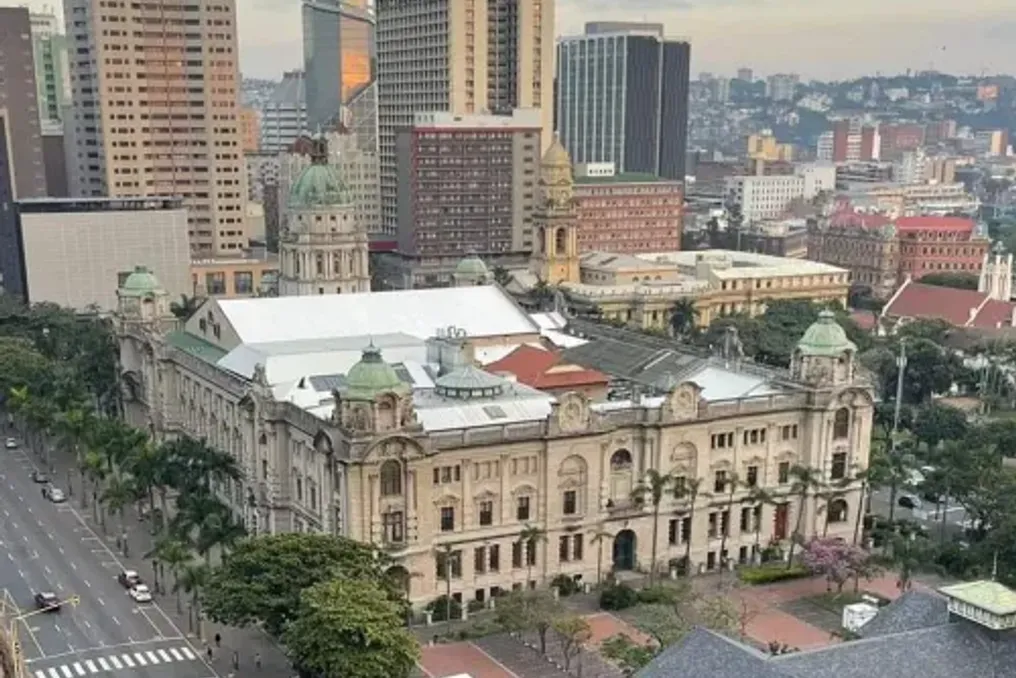
The repairs to the roof and ceiling of the Durban City Hall are ongoing, and the Etkutwini municipality has already spent 29 million rands. The total cost of renovating the Durban City Hall auditorium was 29.8 million rands, with completion expected by June 2028.
This 115-year-old building required repairs due to parts of the ceiling collapsing in the main hall and on the premises, as well as damage from the 2022 storm. Reconstruction work began in March 2024.
The municipality reported that further investigation showed that the hall requires major complex repairs that must comply with heritage requirements, building codes, fire safety regulations, and integration into the AMAFA heritage sector.
The municipality also explained the reasons for project delays, including the low quality of the contractor's work, which led to the termination of the contract with the original contractor in March 2026.
An Etkutwini council member, Samier Singh, raised this issue in July 2026, requesting information on repair delays and the comparative cost of alternative venues for the council. Singh noted that the Durban City Hall had reportedly not been used for council meetings even before the Covid-19 pandemic.
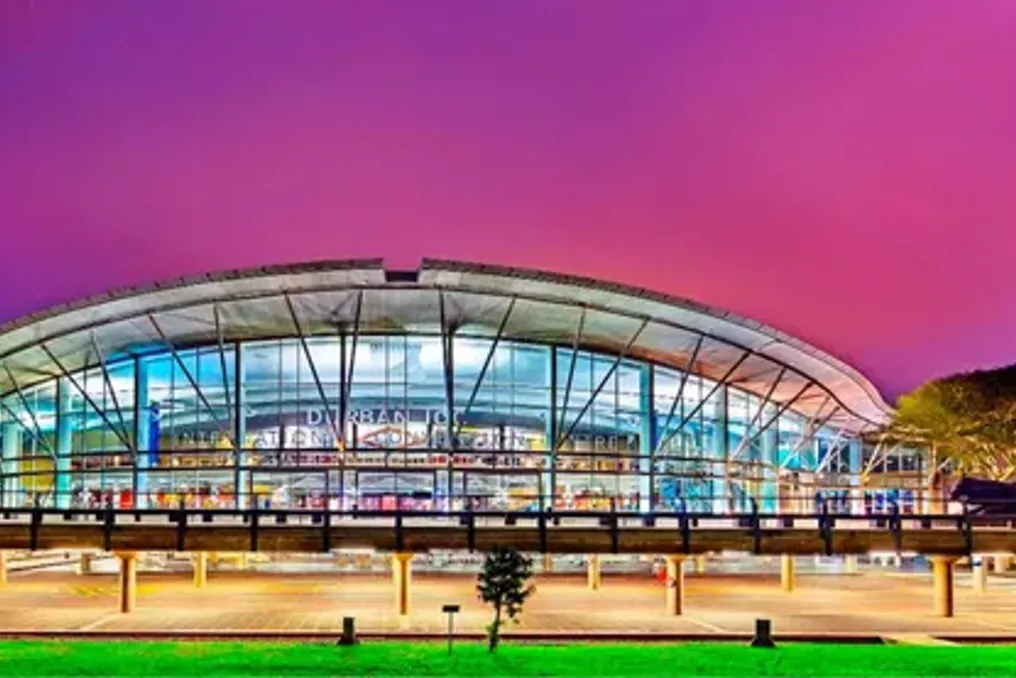
He demanded clarification regarding the municipality's annual expenses for renting the Albert Lutuli International Congress Centre (ICC) and other external venues for council meetings since the unavailability of the city hall. In a written response to Singh's inquiry, the municipality stated that the repairs are being carried out in phases due to the complexity of the work and financial considerations.
The renovation is divided into four phases. Phase One included the dismantling and replacement of the damaged roof and rafters of the auditorium, as well as painting all auxiliary rooms, including various levels. This phase has already been completed.
Phase 2A involves the dismantling and replacement of the damaged lower roof/auxiliary roof of the City Hall auditorium, the installation of gutters and pipes, and protective lighting fixtures. Its completion is expected by the end of August 2026. Phase 2A(ii) includes work to comply with heritage and building codes, installation of the fire protection system, electrical wiring, as well as ICT and network upgrades.
Phase 2B is also related to complying with heritage and building codes, replacing the main hall/auditorium ceiling, replacing wooden floorboards, and wall finishing, as well as auxiliary electrical work. The municipality specified that Phases 2A(ii) and 2B will be implemented according to the preliminary schedule.
The municipality indicated that project delays were related to the use of a safety net under the ceiling. After careful evaluation of options for using this net, the decision was made to forgo its installation in favor of replacing the existing damaged auditorium ceiling with a new one. Initially, the scope of work for the auditorium's lower roof required roofing replacement, but rot revealed moderate to severe wood damage in the load-bearing structure of the roof.
The municipality explained: 'The roofing could not be replaced without replacing the load-bearing structure. This required additional time and an increase in the scope of work, as it was not part of the original project scope.' Furthermore, the municipality reported that unforeseen works were discovered during the renovation, which affected planned work and required additional time, such as rotten wooden floors in the vestibules of the first and second floors of the auditorium.
The municipality stated that using the ICC does not result in net financial losses, as it believes revenue will be generated from the rental of the auditorium, as well as from other socio-economic benefits for the city. The municipality added that 'procurement processes are underway to ensure the awarding of new contractors who possess the necessary capacity and ability to successfully carry out the complex work associated with the renovation of the City Hall auditorium.'