Subscribers to the Vivo Easy Lite plan may have noticed that, starting last week, the modality has been renamed to simply Vivo Lite. This name change came with the inclusion of a new payment method: Pix.
Subscribers to the Vivo Easy Lite plan may have noticed that, starting last week, the modality has been renamed to simply Vivo Lite. This name change came with the inclusion of a new payment method: Pix.
The changes are already visible on the operator's portal, where pages previously dedicated to Vivo Easy Lite have been updated to show only the name Vivo Lite. Although Vivo has not detailed the reason for the name change, it informed Tecnoblog that all plan benefits remain unchanged.
In practice, the main new feature introduced is the possibility of using Pix as a payment method, since previously Lite plans accepted payments exclusively via credit card.
The operator's website presents three types of Vivo Lite plans. The annual payment is highlighted for offering a lower effective cost, as the charge is split into 12 installments on the credit card, resulting in a monthly outlay of R$ 30 for the 30 GB plan or R$ 40 for the 40 GB package.
Regardless of the option chosen, users are entitled to unlimited access to YouTube for two months, without this consumption being deducted from the data allowance. Other benefits include phone calls, SMS sending, and a 50% discount on Cinemark tickets.
In comparison, Vivo Lite plans compete with Claro Flex packages, which currently have offers starting at R$ 44.90 for 35 GB. At TIM, the most similar alternatives are the TIM Controle Fit plans, which start with 12 installments of R$ 20 for 25 GB of monthly allowance.
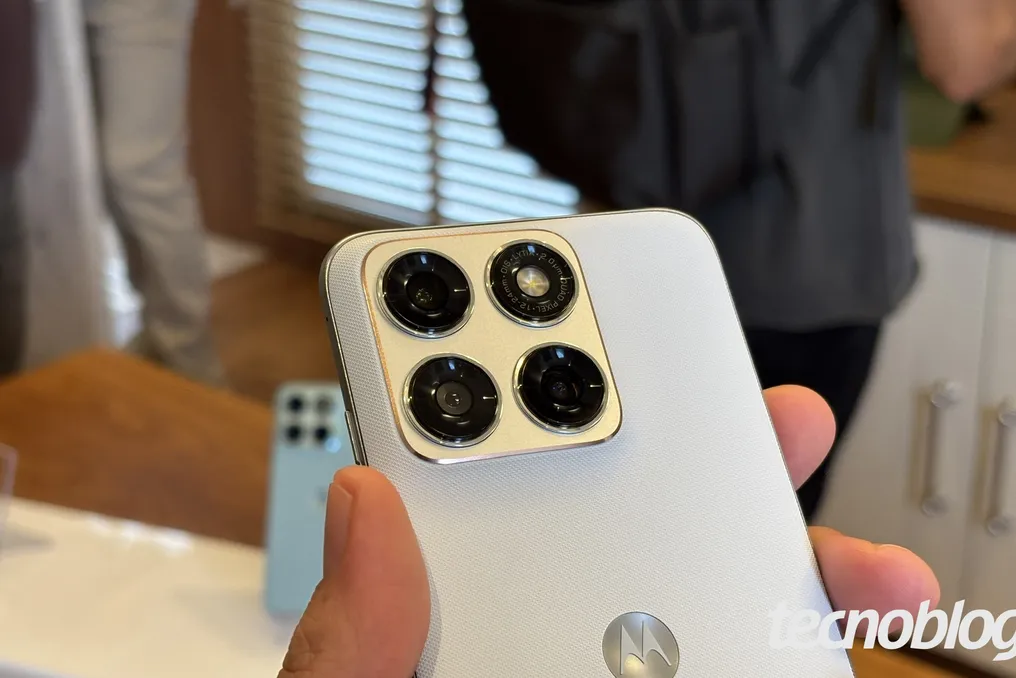
The special version of the Edge 70 Fusion, known as the FIFA World Cup Collection with 256 GB capacity, is being sold for R$ 1,979 using Pix payment and a 10% discount coupon available on the Mercado Livre website. This special Motorola model features a 24K gold finish, a 144 Hz AMOLED screen, and a 50 MP main camera, receiving a 34% reduction from its original price of R$ 2,999.
This special Edge 70 Fusion features a detailed body with a 24K gold coating and a textured back that simulates a soccer ball. It has IP68/IP69 and MIL-STD-810H certifications, ensuring resistance in adverse conditions such as dust, high-pressure water jets, and high temperatures.
The device is equipped with the Qualcomm Snapdragon 7s Gen 3 processor and supports up to 24 GB of RAM through the RAM Boost feature, allowing simultaneous execution of various applications and games, such as FIFA Heroes, which comes pre-installed. Additionally, it offers 256 GB of internal storage for photos and videos.
The Extreme AMOLED screen, which has Pantone Verified certification and measures 6.78 inches, operates at 144 Hz, reaches a brightness of up to 5,200 nits, providing vibrant colors and great fluidity, maintaining visibility in any environment. Its protection against impacts and scratches is ensured by Gorilla Glass 7i.
In terms of photography, the Edge 70 Fusion camera system includes a 50 MP wide lens with Sony LYTIA 710 sensor and OIS, a 13 MP ultrawide for capturing wide landscapes, and a 32 MP front camera for quality selfies. All video features are recorded in 4K.
The battery life is 5,200 mAh, promising up to 39 hours of use, as specified by Motorola. Support for 68W fast charging allows the device to recharge for about 12 hours of use in just 10 minutes, which is advantageous for those with busy routines.
The Motorola Edge 70 Fusion FIFA World Cup Collection of 256 GB, available for R$ 1,979 via Pix with the 10% OFF coupon, will receive updates up to Android 19 and features 5G, Wi-Fi 6E, Bluetooth 6.0, and NFC connectivity.
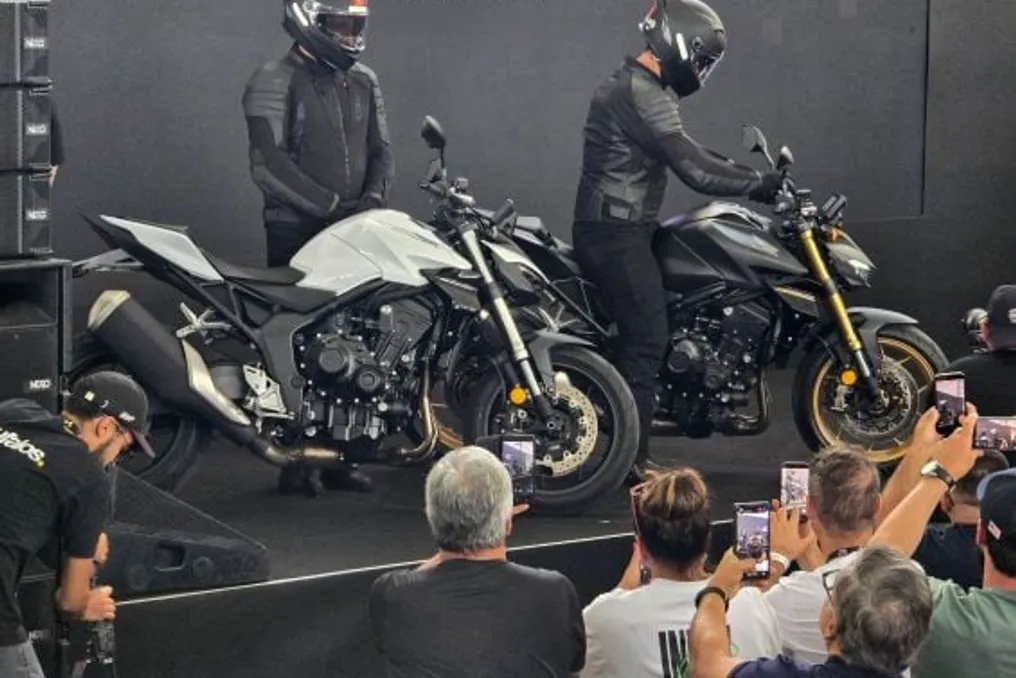
Following great anticipation, Honda has introduced the CB 1000 Hornet to the Brazilian market. This high-performance naked motorcycle was presented as one of the novelties during the Interlagos Festival 2026.
The launch will occur in two distinct configurations, with sales scheduled to begin in August. The introductory prices are set at R$ 68,800 for the standard version and R$ 79,750 for the SP version.
The new CB 1000 Hornet uses an engine derived from the one employed in the CBR 1000RR Fireblade. In this naked model, the engine generates 147 horsepower and 10.3 kgfm of torque. The SP variant receives significant improvements, including Öhlins suspension, Brembo brakes, and a quick-shift equipped gearbox.
To cater to a more budget-conscious audience, the 2027 line of the Honda CB 300F Twister was also presented. This model received several updates to compete with new entrants in the sector. The Twister now features inverted Showa front suspension and incorporates the HSTC and HISS assistance systems. The model with ABS is available for R$ 26,680, while the S version costs R$ 27,680.
Additionally, Honda displayed the Biz 125 EX Kuromi at the Interlagos Festival. This special edition results from a collaboration between the Japanese manufacturer and Sanrio, whose presence also extends to motorcycles participating in the Sertões Rally and MotoGP. With purple fairings and Kuromi character stickers, this version aims to attract Generation Z audiences, being marketed at a price of R$ 17,990.
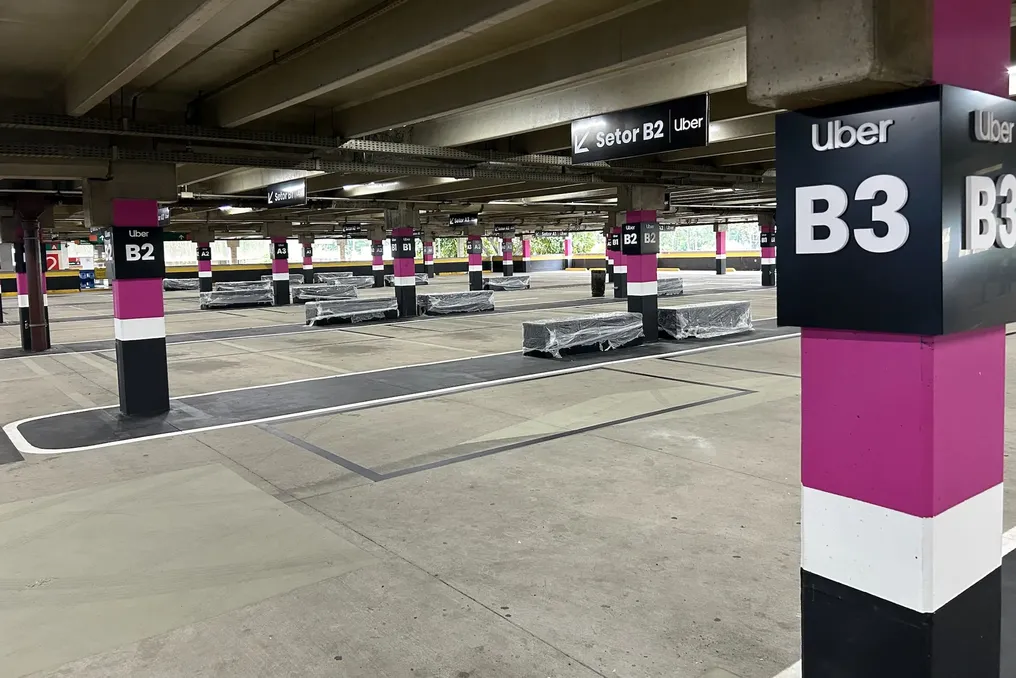
The Tietê Bus Terminal, located in São Paulo, has implemented an area dedicated exclusively to passengers arriving by bus who use the Uber service to continue their journey. This new pickup point is located on Floor G2 of the Garage Building.
To ensure ease of use, the terminal has been equipped with specific signage that guides users from the arrival platforms to the designated meeting spot for Uber. Passengers must follow the 'Uber' directional signs after disembarking from the bus and proceed to the Garage Building.
In this space, drivers must wait for the passenger at the indicated point after the request is made via the application. It is important to note that this area is solely for pickup and does not operate as a regular parking lot. Access is regulated by a gate, requiring the professional to retrieve a printed ticket.
Free stay is granted for a period of up to fifteen minutes; if the time is exceeded, a fee of R$ 27 will be charged for using the parking lot.
This new operation is the result of a collaboration between Uber and INDIGO, which manages the Garage Building. INDIGO also provides personnel on site to assist and guide drivers. Additionally, the new Uber Space integrates a partnership between the platform and Socicam, responsible for the administration of the Tietê bus terminals and other bus stations spread across ten Brazilian states.
Similar models have been operational at the Rio de Janeiro Bus Station since 2024, where the space is located on floor G1 of the parking lot and serves passenger pickup. In Salvador, a similar concept area was inaugurated in July of this year, although the Bahian space is not restricted to Uber, also receiving passengers from other applications, such as 99.