Amidst the harsh winter in Mzansi and rising meat prices, home cooks are seeking affordable and nutritious alternatives. The answer lies in local fields and gardens, as cabbage has long been a staple of South Africa's agricultural communities. This vegetable tolerates frost well, is readily available, and provides significant nutritional value at a much lower cost compared to commercial meat. Three local culinary approaches demonstrate how they prepare this winter crop.
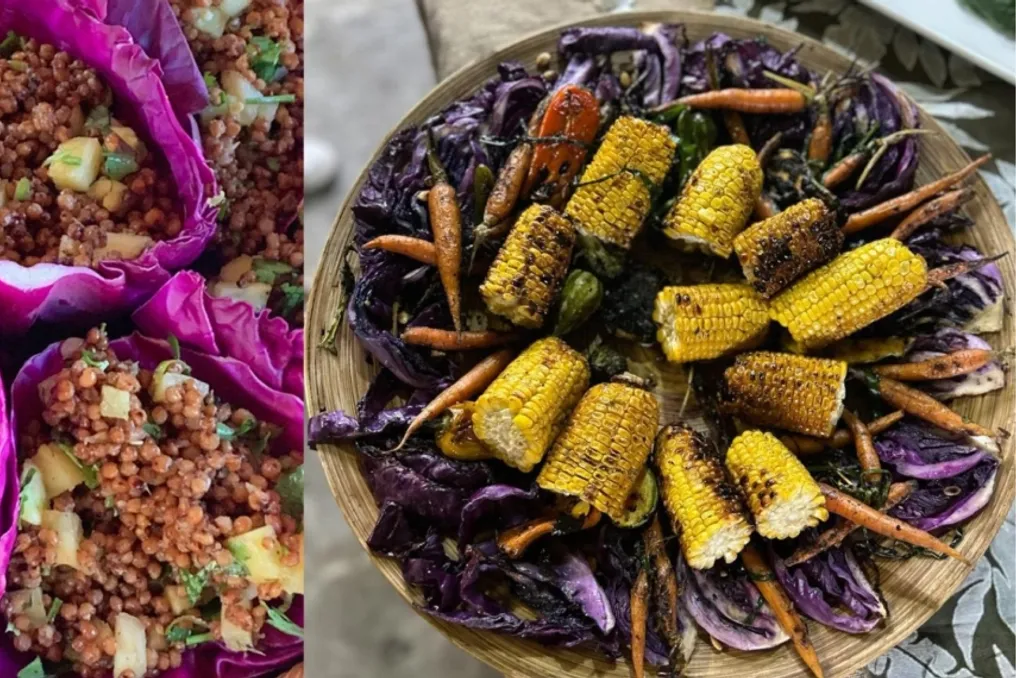
Chef Nonkhlanhla Moroenyane, a cookbook author, nutrition activist, and founder of Noni’s Home Dish based in Kensington, Johannesburg, prefers cooking cabbage over an open fire. She states: 'I am a girl who smokes purple cabbage imphepo on the grill.' Moroenyane advises cooks to always keep traditional imphepo (African sage) nearby during the red cabbage season, as well as having a braai, firewood, and charcoal ready.
Her method lends the vegetable a cultural and aromatic touch. Moroenyane creates a dry marinade by mixing Cajun spices, garlic powder, and barbecue seasoning in a bowl with flavored coconut oil. After cutting a whole purple or green cabbage into large pieces, she thoroughly coats each piece with this mixture. She recommends 'slow roasting, not flaming, for about five minutes. Smoke it along with it.' The goal of this process is to achieve a deep, charred flavor while maintaining a crisp texture inside. Moroenyane suggests serving these smoky pieces alongside other grilled vegetables or pairing them with a warm curry dip.
In Cape Flats, Chef Marshall Buysen, founder of Marshall’s Kitchen in Manenberg, holds a deep respect for cabbage inherited from his grandmother's cooking. He explains that 'cabbage stew was a comforting dish loved by farming families in the Western Cape countryside for a long time.' In cold months, the main crops gathered in family gardens and local farms were fresh cabbage, potatoes, onions, and carrots, as they were inexpensive, nutritious, and easily accessible. Farmers traditionally cooked this hearty stew in one cast iron pot over an open fire or wood stove. Cooking everything together saved time and fuel, allowing earthy aromas to slowly develop while families worked in the fields. Although meat such as beef, lamb, or chicken was added when available, Buysen notes that scarcity never stopped the preparation of this dish. 'On days when meat was scarce or too expensive, beans or lentils were used instead, creating a complete vegetarian dish that did not lose the comforting taste of the stew.'
Working out of Parktown in Johannesburg, Chef Mbasa Brook tackles current financial difficulties with the motto: 'No meat, no problem.' Mbasa shares his step-by-step recipe for a thick, comforting winter cabbage stew that will warm your body and soul this winter. The recipe includes cabbage, carrots, onions, peppers, garlic, tomatoes, as well as various spices, including paprika and curry powder. His golden rule is: 'Do not stir the pot too much.' This can cause the vegetables to break down, resulting in a puree instead of a stew. Whether the cabbage is smoked over slow coals in Gauteng or simmered over an open fire in a rural community in the Western Cape, cabbage remains a reliable and budget-friendly option for the winter season and subsequent periods.