The islands of Africa exhibit striking diversity. Some are rich in centuries-old Swahili trade history, others blend French and Creole influences, and a third host unique fauna found nowhere else on Earth.
On the continent, one can climb an active volcano, stroll through medieval streets where donkeys outnumber cars, snorkel in a freshwater lake, or relax at a luxury resort.
If you are wondering which island best suits your travel style, below is a description of seven of Africa's most distinctive islands and the reasons for their differences.
Where History Meets the Indian Ocean
Zanzibar, located in Tanzania, easily combines white-sand beaches with one of East Africa's richest cultural histories. For centuries, the island served as a crossroads for traders from Arabia, Persia, India, and mainland Africa, shaping the Swahili culture that tourists visit today.
A walk through the winding alleys of Stone Town allows visitors to see carved wooden doors, bustling markets, spice stalls, and historic buildings that tell the island's past. Beyond the city, specialized tours, dhow cruises, and coral reefs offer much to discover. Zanzibar is ideal for travelers who want more than just a beach holiday; one can study history in the morning and swim in the warm waters of the Indian Ocean in the afternoon.
Life Moves at the Pace of a Donkey
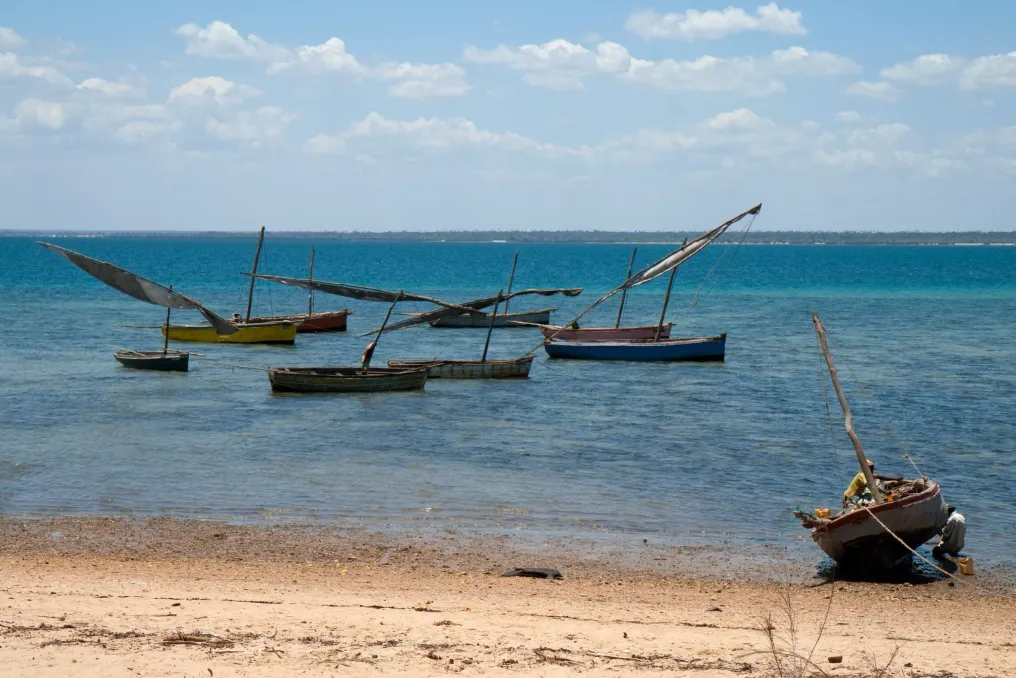
Near the northern coast of Kenya lies Lamu, where modern life seems to have taken a different path. In the historic town, there are no cars—transportation is done on foot, by donkey, or on traditional wooden dhows. Its narrow streets, coral stone buildings, and centuries-old Swahili architecture have barely changed over time, lending the island an atmosphere unique to all of East Africa.
Instead of filling every day with activities, Lamu encourages visitors to adopt a more relaxed pace of travel. Long lunches, sunset dhow cruises, and quiet walks through Shela village become the main highlights of the trip.
Mauritius: For Effortless Luxury
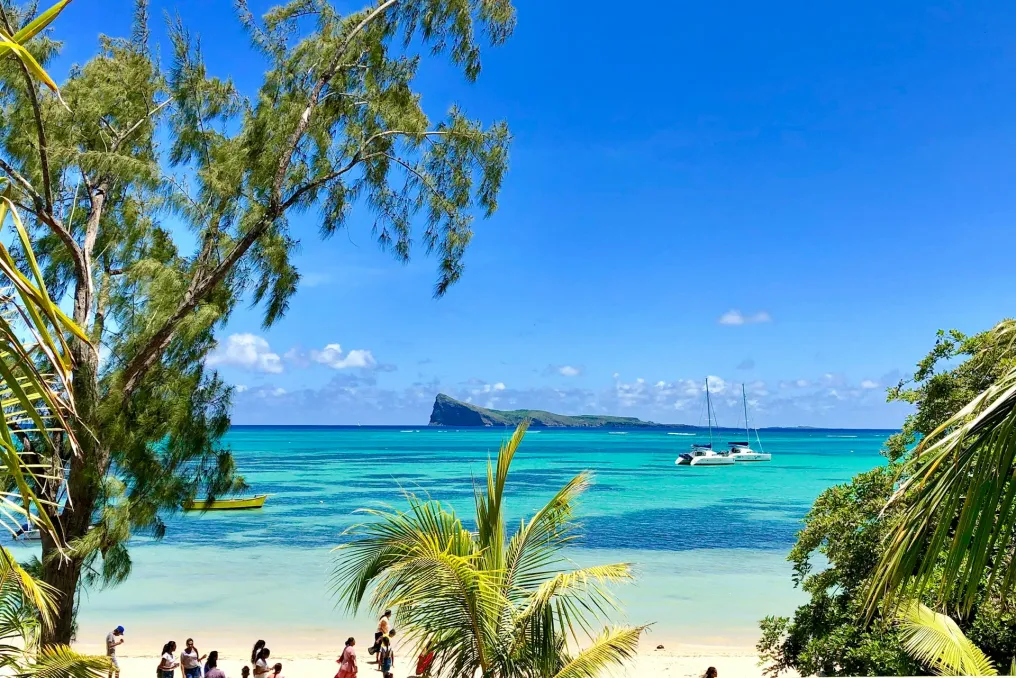
Mauritius has earned a reputation as one of Africa's leading island destinations, yet it offers much more than just luxury resorts. Its multicultural population, originating from Indian, African, Chinese, and European communities, has spawned one of the continent's most interesting culinary scenes.
Besides beach days, guests can hike volcanic peaks, visit botanical gardens, tour colorful temples, or sample Creole cuisine. Families appreciate the calm lagoons protected by coral reefs, while couples are drawn to the exquisite hospitality and romantic ambiance. Mauritius successfully balances adventure and relaxation.
Réunion: For Outdoor Adventure
Neighboring Mauritius, Réunion may be the capital of Indian Ocean adventures. As a French overseas department, this island merges European infrastructure with spectacular volcanic landscapes. High mountains, dramatic cirques, waterfalls, and one of the world's most active volcanoes create endless opportunities for trekking, canyoning, and trail running.
The beaches here are beautiful but rarely the main attraction. Tourists come here to spend days in nature and evenings enjoying French-Creole cuisine. For active travelers, Réunion offers a unique experience unavailable on other African islands.
Madagascar: For Wildlife Found Nowhere Else
Separating from mainland Africa about 88 million years ago, Madagascar developed in conditions of extreme isolation. Approximately 90% of its fauna is found nowhere else on the planet, including playful lemurs, colorful chameleons, majestic baobabs, and unusual plant species.
The island's uniqueness extends beyond its wildlife. Malagasy culture reflects both African and Austronesian roots, making it culturally distinct from the rest of the continent. Madagascar rewards curious travelers willing to venture beyond the beaches in search of tropical forests, national parks, and incredible biodiversity.
Principe and São Tomé and Príncipe: For Escaping the Crowds
Principe remains one of Africa's least visited island destinations, which is its greatest asset. Dense tropical forests stretch toward quiet beaches where visitors can find themselves almost alone. Boutique eco-lodges blend harmoniously into the landscape, and conservation projects protect rare birds, turtles, and marine life.
Instead of nightlife and shopping, the island offers birdwatching, tropical forest walks, visits to cocoa plantations, and peaceful evenings as waves crash onto the shore. If your ideal vacation involves complete disconnection from the outside world, Principe is hard to beat.
Licoma Island, Malawi: For Freshwater Relaxation
Not every island paradise is located in the ocean. Licoma Island is situated within the vast expanse of Lake Malawi, where fresh water replaces salt water, but the beaches remain equally attractive. Tourists spend their days kayaking, snorkeling among colorful cichlids, swimming in surprisingly clear water, or exploring quiet fishing villages. The island's relaxed atmosphere allows time to slip away easily, and the impressive St. Peter's Cathedral offers an unexpected glimpse into the region's missionary history. For those seeking something different, Licoma proves that Africa's inland waters can rival its coasts.
Which Island Suits Your Travel Style?
Each island tells its own story, shaped by geography, history, and the people who have lived there for centuries. Choose Zanzibar if you want a combination of history, culture, and beaches. Head to Lamu for authentic Swahili relaxation, where life moves at a gentler rhythm. Mauritius offers impeccable luxury with something for every traveler, while Réunion rewards trekking enthusiasts and outdoor lovers with dramatic volcanic landscapes.
If wildlife is your priority, Madagascar stands apart. Principe offers secluded tranquility for those wishing to disconnect, and Licoma Island reminds travelers that unforgettable island experiences are not limited to the ocean.