Although much of South Africa is preparing for winter by donning warmer clothes and enjoying evenings by the fireplace, there are pockets of the country where winter feels completely different. Blue skies replace gray afternoons, daytime temperatures comfortably stay above 20°C, and beaches, bushveld, and subtropical forests remain attractive even after summer ends.
Thanks to South Africa's diverse climate, you don't have to leave the country to avoid the winter chill. Due to the warmer Indian Ocean, low altitudes, and subtropical conditions, several destinations continue to enjoy mild or warm weather throughout June, July, and August. If you want to replace frosty mornings with sunshine, here are places worth adding to your winter travel list.
Durban, KwaZulu-Natal
Few cities in South Africa have gained the reputation of a winter favorite like Durban. Founded in 1835 and named after Sir Benjamin D'Urban, this city was long one of the country's busiest ports and a beloved beach resort. Winter days regularly reach temperatures around 22–25°C, allowing for swimming, surfing, promenade walks, and outdoor dinners while the rest of the country freezes. The warm Indian Ocean maintains a comfortable water temperature during the colder months, making Durban one of the few places where beach holidays remain on the agenda for visitors. Tourists can spend the morning walking along Golden Mile, exploring uShaka Marine World, trying authentic bunny chow, or heading north to the Umhlanga promenade and beaches. The best time to visit is from June to August when the weather is sunny and dry, and tourist crowds are smaller. Accommodation in Durban ranges from beachfront hotels and boutique guesthouses to self-catering apartments. Lodging can be booked directly with establishments or through major booking platforms.
St Lucia, KwaZulu-Natal
Long before becoming one of South Africa's most famous ecotourism destinations, St Lucia served as an important settlement along the Zululand coast. Today, it is part of the iSimangaliso Wetland Park, which is a UNESCO World Heritage site and the first such site in South Africa. Winter turns this region into one of the best places for outdoor activities in the country. Daytime temperatures usually range between 23 and 27°C, humidity decreases, mosquito activity lessens, and wildlife viewing improves due to sparser vegetation. Furthermore, it marks the beginning of the whale watching season along the coast. Sea cruises allow sightings of hippos and crocodiles, and nearby Cape Vidal offers excellent snorkeling on quiet winter days. The best time to visit is from June to September for wildlife viewing, whales, and comfortable temperatures. Accommodation should be booked inside or near the iSimangaliso Wetland Park through park operators or local lodges. Boat cruises and excursions are best booked in advance during school holidays.
Mpumalanga and Cozi Bay, KwaZulu-Natal
Located near South Africa's northern border with Mozambique, one of the least spotlighted destinations for winter holidays in the country is found. Cozi Bay is part of the iSimangaliso Wetland Park and is known for its ancient Tonga fishing traps, some of which have been used for centuries. Although this location is visited less frequently than other coastal destinations, winter brings warm days with an average temperature of about 25°C, crystal-clear estuary waters, and calm beaches. Travelers come here for kayaking, snorkeling, bird watching, and participating in cultural events with local communities. The best time to visit is from June to August for dry weather and excellent outdoor activity conditions. Eco-lodges and rustic beach camps prevail. It is necessary to book accommodation and permits in advance, especially during school holidays.
Hodgepodge and the Kruger Region, Limpopo
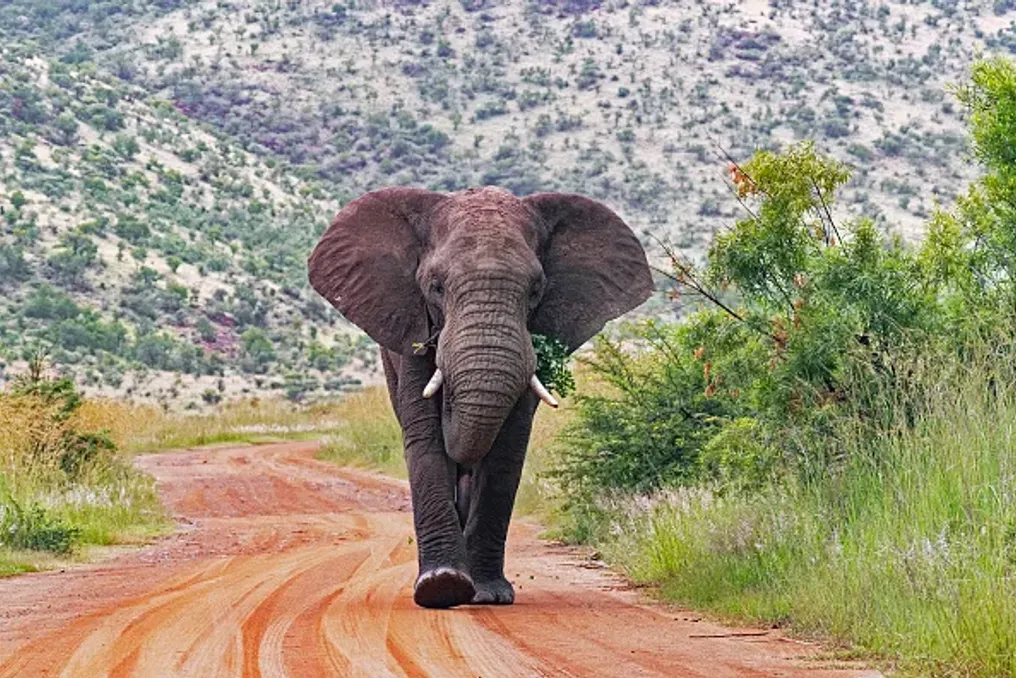
Although winter mornings can be cool, Hodgepodge quickly warms up to pleasant, sunny days, often reaching the mid-twenties. Originally developed as an agricultural town, Hodgepodge has transformed into one of South Africa's main safari hubs and now attracts travelers year-round. Winter is considered the best season for safaris. Dry conditions force wild animals to gather around rivers and waterholes, significantly easing animal viewing. Vegetation also becomes sparser, improving visibility in the bush. Between safari drives, visitors can explore the Panorama Route, Blyde River Canyon, or nearby wildlife rehabilitation centers. The best time to visit is from June to September for exceptional wildlife viewing. Private reserves, safari lodges, and self-catering accommodation are available in Hodgepodge. It is recommended to book several months before the peak safari season.
Bella Bela, Limpopo
The name of this place means 'boiling-boiling' in the Sepedi language, referring to the naturally heated mineral springs that have attracted visitors for centuries. Previously known as Warm Baths, Bella Bela has hosted travelers since the late 1800s. Even in winter, daytime temperatures remain comfortably moderate, allowing for easy enjoyment of bush walks, safari drives, and other outdoor activities before relaxing in the warm mineral pools, which remain the city's main attraction. Families, couples, and wellness-oriented tourists continue to choose Bella Bela for quick weekend trips from Gauteng. The best time to visit is from June to August for sunny days and relaxing evenings in the hot springs. Resorts, bush lodges, and self-catering accommodation can be booked directly with establishments or through major travel platforms.
Wild Coast, Eastern Cape
Stretching from East London to the KwaZulu-Natal border, the Wild Coast remains one of South Africa's most dramatic and least developed coastlines. Its name traces back to Portuguese sailors who found the rugged coastline extremely difficult to navigate. Winter along this coast is often cool but surprisingly pleasant, with many days reaching temperatures above 20°C and offering clear skies, ideal for hiking. Famous spots like the Hole in the Wall, Coffee Bay, Morgan Bay, and Port St Johns offer breathtaking views without the high season crowds. Whale watching begins in winter when southern grey whales migrate along the coast. The best time to visit is from June to September for hiking, whale watching, and quieter beaches. Accommodation in the region ranges from boutique lodges and backpackers' hostels to coastal hotels and community-run lodging.
Why South Africa's warmest winter destinations work
South Africa's climate varies greatly across the country. While the Western Cape experiences a rainy season in winter, much of the eastern coast and Lowveld enjoys dry, sunny conditions thanks to subtropical weather systems and the warming influence of the Agulhas Current in the Indian Ocean. For travelers, this means that winter doesn't necessarily have to mean staying indoors. It can be the perfect season for strolling on uncrowded beaches, comfortable safaris, whale watching, hiking, and long evenings outdoors.
Winter is what you make of it
Winter trips to South Africa are less about escaping the season and more about choosing the right destination. While the charm of fireplaces and snowy mountains certainly exists, there is something equally valuable in watching the sunrise over the Indian Ocean, observing elephants at a watering hole, or ending the day in a naturally heated spring. If you crave warmth without needing to fly internationally, South Africa already has everything. Sometimes the best winter getaway is simply knowing which direction to go.