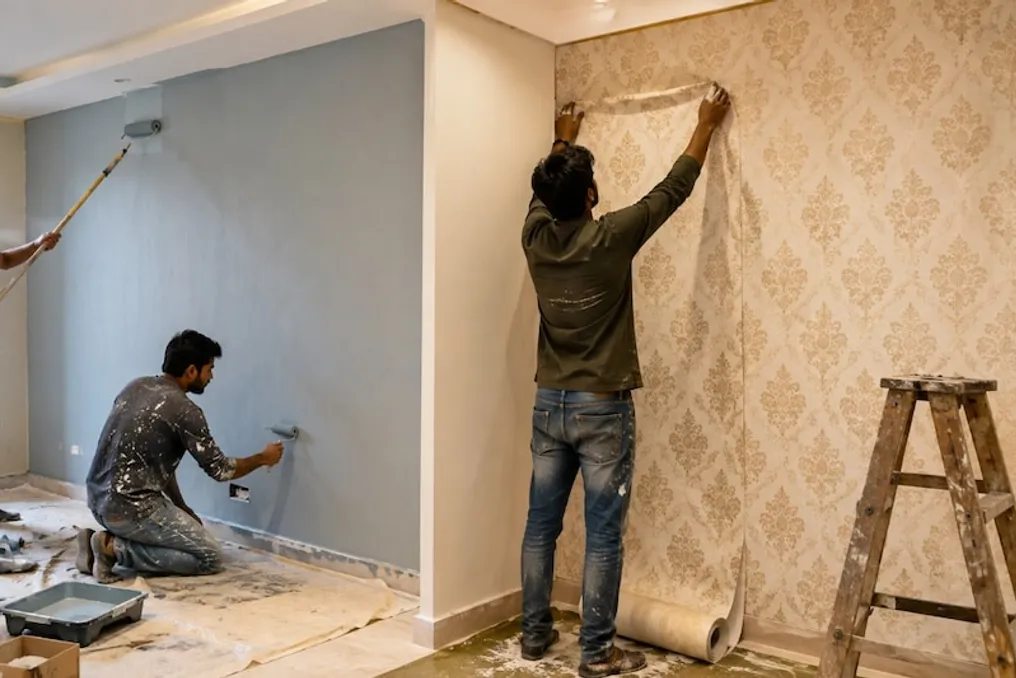
Modern people strive to make their homes beautiful by using expensive decorative items and applying high-quality, waterproof paint to walls. When walls are clean and aesthetic, the entire room looks better. However, walls can be damaged due to dampness, peeling paint, cracks, or moisture. In some cases, the paint begins to flake and fall off, spoiling the beauty of the entire space. The first thing that comes to mind when seeing such a wall is the need for repainting.
But if the wall problem is not only on the surface but also related to moisture, the paint will start looking bad again after some time. In such situations, instead of constant repainting, several smart and stylish methods can be used to cover the wall and maintain the home's beauty. These methods allow you to easily hide an unsightly wall and give the room a new look, as well as add various textures and designs.
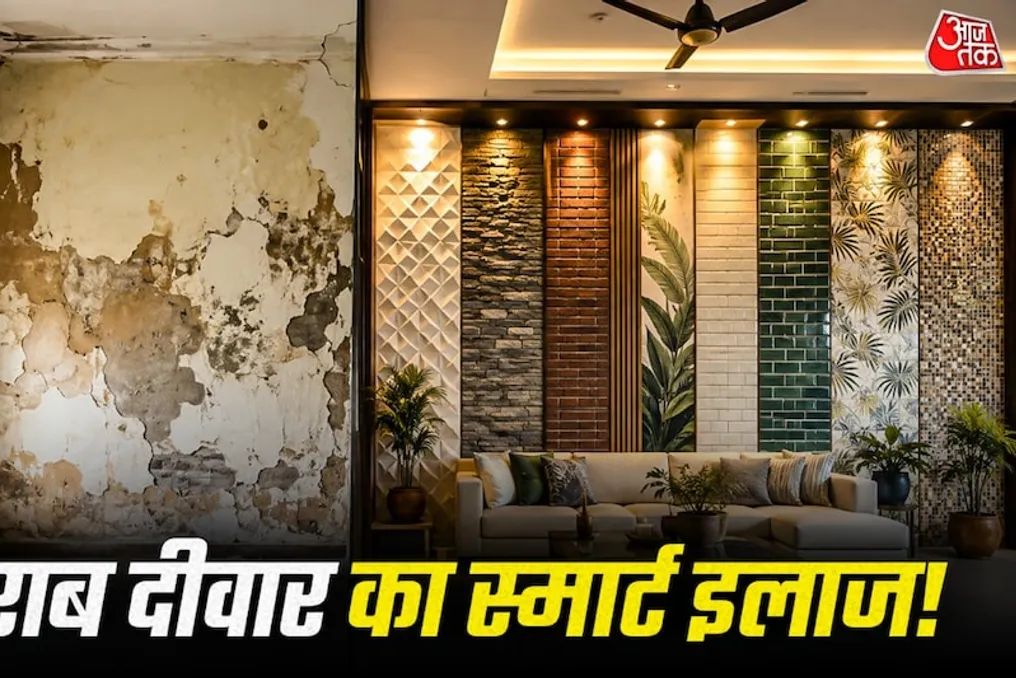
1. 3D Wall Panels: If you want to give a damaged wall a modern look, 3D wall panels will be a good choice. They have convex patterns and designs that easily mask minor wall imperfections. They can be used, for example, on one wall in the living room or bedroom.
2. Wall Cladding to Conceal Old and Peeling Walls: Wall cladding is very popular in modern interior design. There are various design options imitating wood, stone, or brick. This helps cover cracks, peeling paint, and damaged surfaces, giving the room a premium and designer look.
3. Brick or Natural Stone Cladding: If you like a rustic or natural style, you can try cladding with brick or natural stone. Brick finishes give the room an industrial look, while natural stone looks more royal and elegant. They can be installed on a balcony or living room wall.
4. Wall Mural to Give an Attractive Look to a Damaged Wall: If you want to do something unusual, a wall mural is a great idea. An image of a picturesque landscape, flowers, leaves, abstract design, or geometric pattern can be applied to the entire wall. This reduces the visibility of stains and minor wall defects, completely changing the appearance of the room.
5. Wooden Panels for Adding Warmth: A wooden look always makes a home warm and beautiful. Wooden panels or wood cladding conceal an unsightly wall while giving the room a natural and elegant look. They can be used in both modern and traditional interiors.
6. Textured Tiles to Mask Wall Imperfections: If you don't like too much design, but a smooth wall seems boring, you can choose textured tiles. They have various convex patterns that make minor marks on the wall less noticeable. When light hits them, the texture looks even more beautiful.
7. Subway Tile for a Clean and Classic Look: The design of subway tile is quite simple but timeless. It is often used in kitchens and bathrooms. This is a practical option that gives the wall a clean look and is suitable for areas with high humidity and dirt.
8. Glass Highlighter Tiles for Brightening Small Spaces: If a room has little light, glass highlighter tiles can be a good solution. Their shiny surface reflects light, making the space visually brighter. They can also be used in the kitchen and bathroom.
9. Tropical Tiles for a Sense of Nature: Tropical tiles with images of leaves, plants, and green vegetation can give the wall a fresh look. If the wall looks old or dull, such prints can make it attractive. They look good on balconies, in bathrooms, or living rooms.
10. Mosaic Tiles to Create a Beautiful Pattern: Mosaic tiles consist of many small elements and offer many colors and patterns. They can be used on the entire wall or just on a specific area. Thanks to their unique design, they distract attention from wall imperfections, focusing it on the beauty of the room.
It is not necessary to repaint the wall every time you see stains or peeling paint. With options such as 3D tiles, wall cladding, wood paneling, mosaics, or wall murals, you can hide a damaged wall and at the same time give the house a completely new look. However, if there is dampness or a water leak on the wall, simply covering that area is not enough. First, you must eliminate the cause of the dampness or leak, after which you can proceed with cladding the wall.