Humanity has achieved incredible heights, launching satellites, creating supercomputers, mastering artificial intelligence, and even using advanced reproductive technologies to conceive life. Nevertheless, the author argues that no laboratory, machine, or technology can create, nurture, and bring new human life into the world without the woman's womb.
When women gain strength, all of humanity benefits. This does not mean that men lose; on the contrary, families, societies, and nations become stronger. The true measure of a man's strength lies not in controlling women, but in how much wisdom, influence, and power he uses to help them develop.
Any relationship has the potential either to elevate or diminish. A man's words, attitude, and actions can inspire confidence, unlock potential, and bring out the best in the women in his life, regardless of whether she is a wife, mother, sister, daughter, colleague, or friend.
Respect fosters confidence, gratitude nourishes growth, and trust strengthens power. When a man chooses support over undermining, he is not just giving a woman strength; he is enriching the relationship, strengthening the family, and contributing to the improvement of society.
The question arises: perhaps we are measuring strength incorrectly? True strength is not defined by physical might, wealth, status, or power. It is rooted in qualities such as compassion, empathy, selflessness, patience, endurance, tolerance, forgiveness, honesty, and discipline. These virtues elevate humanity beyond mere existence, transforming ordinary people into exceptional ones.
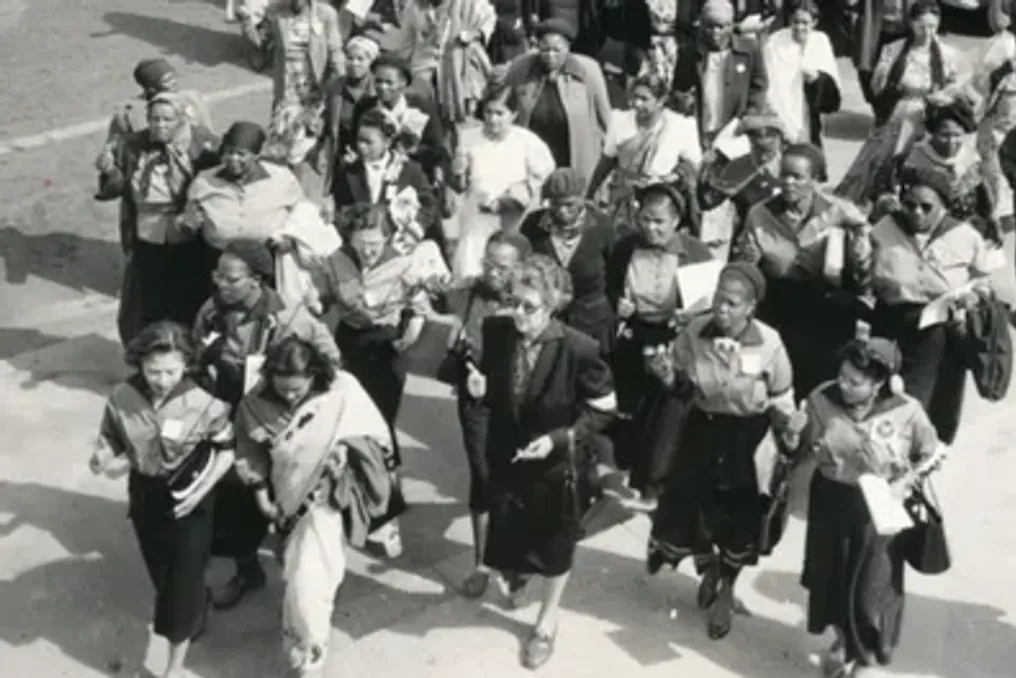
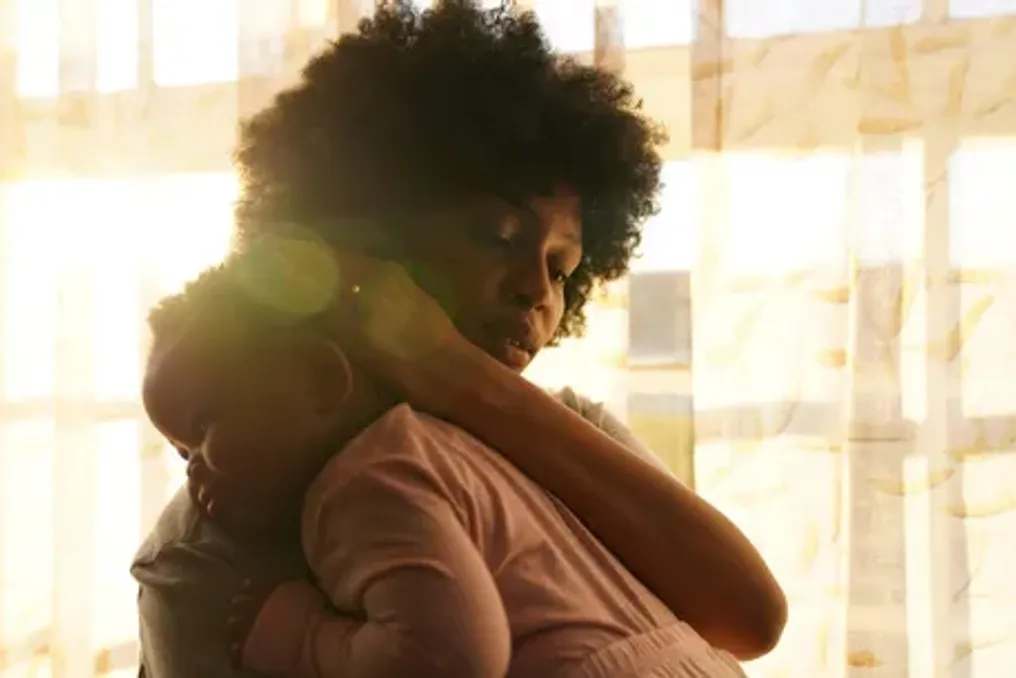
These qualities often manifest in women. A mother cares for her child for years without expecting anything in return; a wife stands firm in difficult circumstances; a daughter sacrifices for her family; a sister forgives, supports, and encourages. Throughout generations, women have demonstrated an astonishing capacity for unconditional love, quiet patience, calm healing, and selfless giving.
Although men may possess greater physical strength on average, it is moral and emotional power that transforms lives. The ability to forgive after deep offense, maintain compassion in suffering, overcome difficulties, and put others before oneself—these are the signs of true greatness. If strength is measured not by the ability to dominate, but by the potential to love, sacrifice, care for, and support, history shows that women are an example of humanity's most noble virtues.
It is not accidental that many sacred aspects of our existence are described through the feminine principle: Mother Earth, Mother Nature, Homeland, Native Language. In many spiritual traditions, sacred rivers, lands, and books are revered as mothers. These are not merely poetic images; they symbolize qualities that nourish, protect, guide, and give life. Humanity instinctively expresses its highest ideals of wisdom, care, and life through feminine archetypes.
However, despite this eternal reverence, society has not always recognized the true strength of women. Shakespeare famously wrote: 'Frailty, thy name is woman.' However, time has delivered a completely different verdict. If Shakespeare were alive today, he might change his famous phrase to: 'Valor, thy name is woman.' If there is a name for fragility, it is certainly not a woman.
She is strength wrapped in compassion, courage clad in grace, and resilience dressed in humility.
Celebrating the Miracle That Changes the World
Perhaps the clearest evidence of a woman's strength lies in the miracle that science and technology still cannot achieve. Despite all advancements in space and AI, no machine can create, nurture, and bring new life into the world without the woman's womb. Every scientist, teacher, entrepreneur, artist, statesman, Nobel laureate, and visionary first appeared in the world thanks to a woman. Before anyone changed the world, someone had to bring them into it.
This responsibility goes far beyond biological function; it is one of the greatest privileges and the greatest testament to the strength, dignity, and sanctity of femininity for all of humanity. Perhaps this is why God, in His infinite wisdom, entrusted women with the sacred duty of creating, nurturing, and bringing new human life into the world.
The womb is not just a biological organ; it is the cradle of humanity. Civilizations, cultures, achievements, and generations begin there. Therefore, honoring women is not just respect for one gender; it is reverence for the source of life, the first teacher, and the enduring strength of humanity.