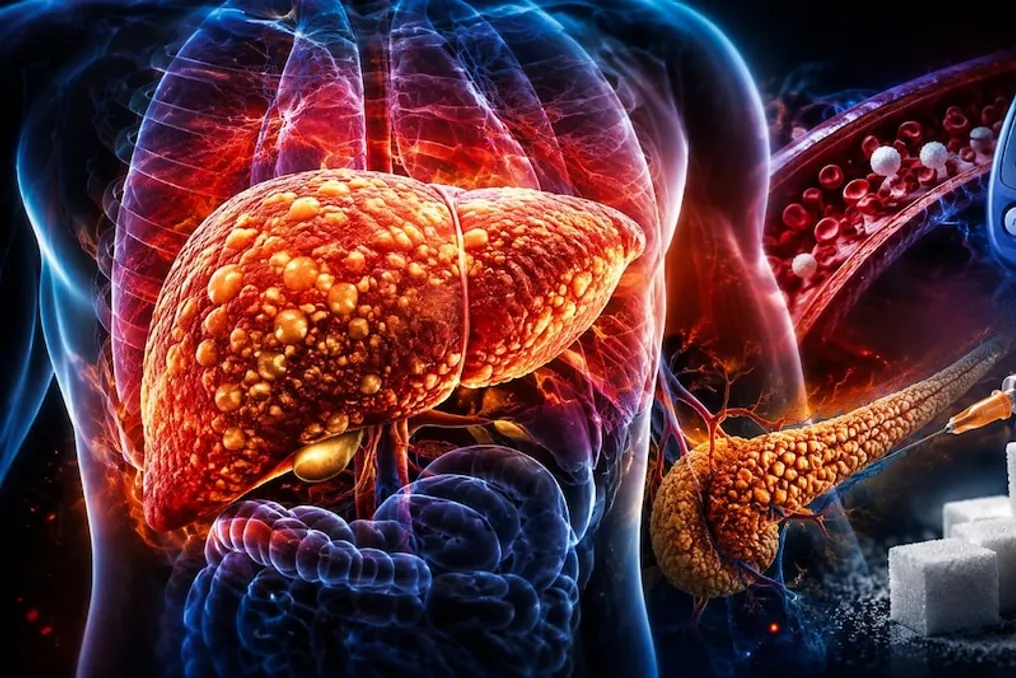
Even if a person is not overweight and their body mass index (BMI) is normal, having diabetes still carries the risk of developing fatty liver disease. According to Healthline, diabetes can cause a number of problems, including metabolic dysfunction-associated steatotic liver disease (MASLD), formerly known as non-alcoholic fatty liver disease.
In this pathology, a large amount of fat accumulates in the liver. In the United States, about 24% of the population suffers from MASLD, but among adults struggling with both obesity and type 2 diabetes, this figure exceeds 70%. MASLD is closely linked to obesity, insulin resistance, and type 2 diabetes. In some people with MASLD, a more severe form of the disease can develop, where inflammation and damage to liver cells occur in addition to fat accumulation in the liver. This can lead to scarring and liver damage (cirrhosis), and ultimately to life-threatening liver failure.
Dr. Bimal Kumar Sahu, senior consultant of the gastroenterological surgery department at Artemis Hospitals, notes that people with diabetes are more likely to develop fatty liver disease. This problem is particularly common among those whose diabetes is caused by insulin resistance. Insulin resistance combined with other factors can increase the risk of fat accumulation in the liver.
When the body's cells cannot effectively use insulin, insulin resistance develops, leading to high blood sugar levels. During this period, fat metabolism is also disrupted, and more fatty acids enter the liver. The liver cannot process these fatty acids, causing significant fat accumulation in the organ. This is why the risk of fatty liver disease is very high in people with type 2 diabetes.
Furthermore, diabetes greatly affects weight. A person may look thin on the outside, but this does not rule out fatty liver disease. The risk persists with metabolic imbalance and insulin resistance, even if the weight remains the same or the abdomen does not protrude. Therefore, people with diabetes are advised to undergo regular liver examinations.
Symptoms may include nausea, weight loss, loss of appetite, jaundice (yellowing of the skin and whites of the eyes), abdominal and leg swelling, mental confusion, severe fatigue, and muscle weakness.
Diabetic patients need to keep blood sugar levels within the normal range, exercise regularly, avoid sugary foods and refined flour products, and minimize mental stress.